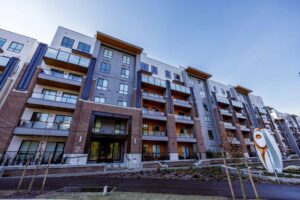
April Updates to the BC Residential Tenancy Act
The “Bill 11” Safety Pivot in Supportive Housing
Most people think the RTA applies to every roof in BC, but supportive housing has long operated in a legal gray area. Bill 11 changes that by introducing aggressive safety measures tailored for high-needs environments. Unlike standard apartments, these units now allow for specific “safety interventions” that would typically be illegal in private rentals. This means staff can now perform wellness checks or room inspections under much broader safety justifications without the standard 24-hour notice, provided there is a documented risk to the community or the resident.
The nuance people miss is the “Good Neighbor” clause embedded in these updates. For the first time, the law explicitly balances a tenant’s right to privacy with the collective safety of the building. If a tenant’s behavior consistently puts the facility’s staff or other residents at risk, the threshold for intervention is significantly lower than it was in 2025. It’s a move designed to prevent supportive housing from becoming unmanageable, giving operators the legal teeth to enforce safety protocols without fearing a Residential Tenancy Branch (RTB) reprimand.
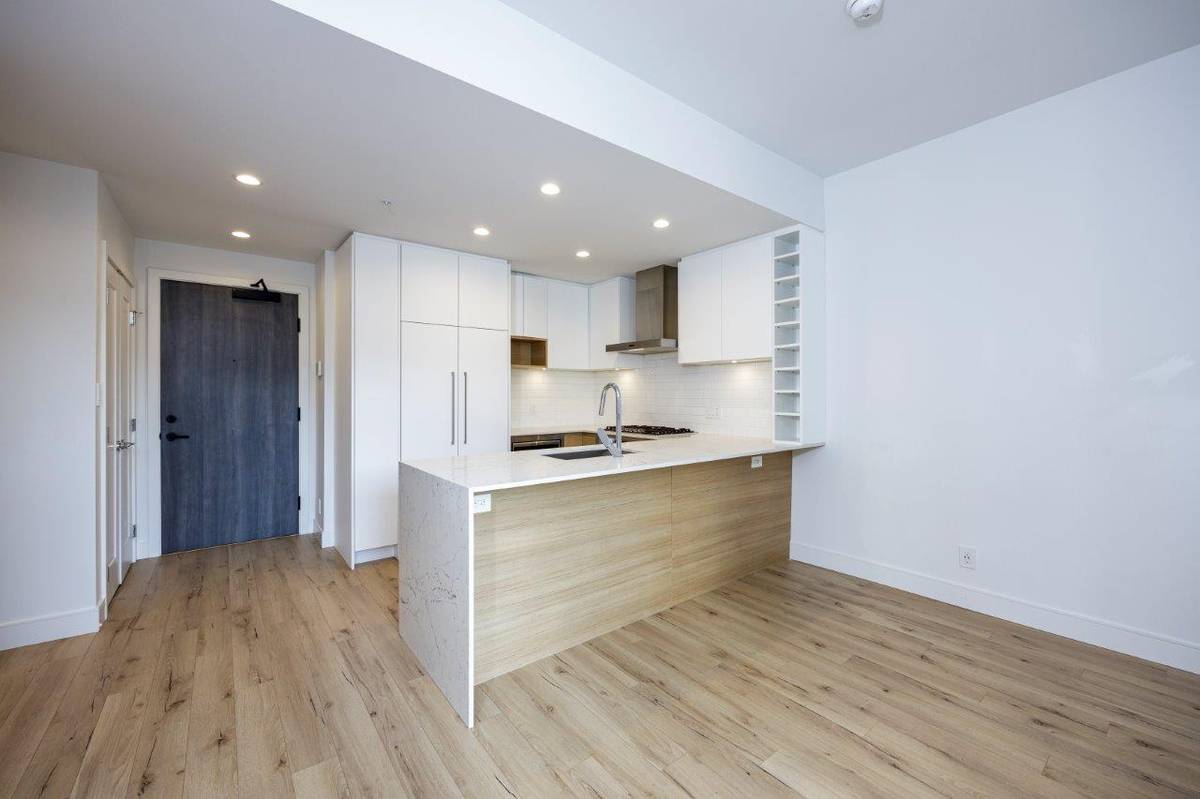
The End of “Forever Eligibility” in Below-Market Housing
For years, once you scored a below-market or subsidized rental unit, you were essentially set for life, regardless of how much your income grew. As of April 2026, that “squatter’s right” to a subsidy is officially over. New rules require tenants in below-market housing to prove their eligibility annually. If your household income now exceeds the threshold for “affordable housing,” you can no longer occupy a unit intended for low-income residents.
This introduces a brand-new ground for ending a tenancy: “Ceasing to Meet Eligibility Criteria.” If a tenant’s financial situation improves significantly, the landlord (usually a non-profit or government entity) can issue a notice to end the tenancy. However, the “hidden” win for tenants here is the transition period. The law doesn’t kick you to the curb overnight; it mandates a six-month “bridge period” to allow residents to find market-rate housing, ensuring that success doesn’t result in immediate homelessness.
Judicial Reviews: The New “Clock is Ticking” Rule
If you’ve ever been involved in an RTB dispute, you know the frustration of the “Judicial Review” loop. Previously, the timelines to challenge an RTB decision in the BC Supreme Court were somewhat flexible, leading to months of Limbo. The April 2026 update slashes these deadlines. You now have a razor-thin window to file for a review. If you miss the new statutory deadline, the RTB’s decision becomes final and unappealable, effectively ending “litigation by exhaustion.”
The part most people overlook is the “Standard of Review” update. Judges are now instructed to give even more deference to the RTB’s original decision. This means that unless the RTB did something truly egregious or legally impossible, their word is law. This change is designed to stop wealthy landlords or litigious tenants from using the court system to stall evictions or payments, making the RTB the true final stop for 95% of all rental conflicts.
The 2.3% Rent Cap and the “Abandoned Property” Trap
BC has set the 2026 rent increase limit at 2.3%, sticking close to inflation. While that seems straightforward, the real “gotcha” lies in the revised rules for abandoned property. Landlords used to have to store a tenant’s left-behind belongings for 60 days, regardless of the value. The new April update raises the “junk threshold.” If the total value of the items is under a specific dollar amount (now adjusted for 2026 inflation), landlords can toss or donate them immediately.
Furthermore, the short-term rental (STR) crackdown has been fully integrated into the RTA. If you are caught subletting your long-term rental as an Airbnb without explicit, written consent from the landlord, it is now an “automatic material breach.” In the past, you might get a warning; now, it’s a direct ticket to an expedited eviction hearing. The province is effectively deputizing landlords to help clear out illegal short-term rentals to boost the long-term housing supply.
Reliable Property Management Support in a Changing Rental Landscape with Pacific West Property Management
As tenancy rules continue to evolve, staying on top of every update can feel overwhelming for property owners and tenants alike. Even small regulatory changes can affect how leases are managed, how disputes are handled, and how properties stay compliant. Having experienced support makes it easier to keep everything running smoothly without missing important details.
Pacific West Property Management helps property owners navigate these updates with confidence. From compliance tracking to day-to-day management, their team focuses on keeping properties aligned with current regulations while maintaining strong tenant relationships. Contact us to ensure your rental properties stay protected, organized, and ready for whatever changes come next.
FAQs:
1. What Is the Maximum I Can Increase Rent for an Existing Tenant in 2026?
The BC provincial government has capped the allowable rent increase at 2.3% for 2026. This cap applies to all residential tenancies covered by the Residential Tenancy Act. As a landlord, you must provide your tenant with at least three full months’ written notice using the official Form RTB-7 before the increase takes effect.
2. Can I Evict a Tenant If They No Longer Meet “Below-market” Income Requirements?
Yes, under the new April 2026 updates, “Ceasing to Meet Eligibility Criteria” is now a valid ground for ending a tenancy in below-market or subsidized housing. If a tenant’s household income exceeds the updated thresholds, you can issue a notice to end the tenancy. However, you must provide a mandatory six month transition period to allow the resident sufficient time to secure market-rate housing.
3. What Happens If a Tenant Leaves Belongings Behind After Moving out?
The April 2026 updates have streamlined the rules for abandoned property. If the total value of the items is below the new inflation-adjusted “junk threshold,” you are no longer required to store them for 60 days and can dispose of or donate them immediately. For higher-value items, strict storage and notice requirements still apply to avoid legal disputes.
4. How Do the New Bill 11 Safety Measures Affect My Supportive Housing Building?
Bill 11 introduces “Safety Interventions” that allow staff in supportive housing to perform wellness checks or room inspections with less notice than a standard rental. These measures are legal if there is a documented risk to the staff or the community. It balances the tenant’s right to privacy against the collective safety of the building, providing operators more power to manage high-needs environments.
5. How Does Pacific West Help Property Owners Stay Compliant with Tenancy Rules?
The team keeps track of updates in rental regulations and applies them to property operations in real time. This includes adjusting lease practices, ensuring proper documentation, and helping owners understand their responsibilities under current laws. By staying ahead of changes, they reduce the risk of disputes and compliance issues.
Tags: homeowner, property management, residential tenancy, tenant