
How Property Managers Manage Uncertainty
Uncertainty shows up in small ways at first, then builds into real costs if ignored. Strong property managers stay ahead by tracking patterns, asking questions early, and adjusting plans before problems grow. Our work often looks routine on the surface, yet behind it sits constant decision-making that keeps properties stable and profitable.
Review Property Tax Notices Early and Adjust Budgets
Early review of notices gives managers time to catch errors that often slip through unnoticed. Assessment values sometimes rise faster than actual market changes, which can lead to higher property taxes than expected. Careful comparison with previous years helps identify unusual jumps that may deserve a closer look or even an appeal.
Budget adjustments follow quickly once new figures come in, allowing homeowners to avoid last-minute financial strain. Smart managers build flexible plans that absorb increases without cutting essential services. Clear forecasting also helps investors understand where their money is going and why changes happen.
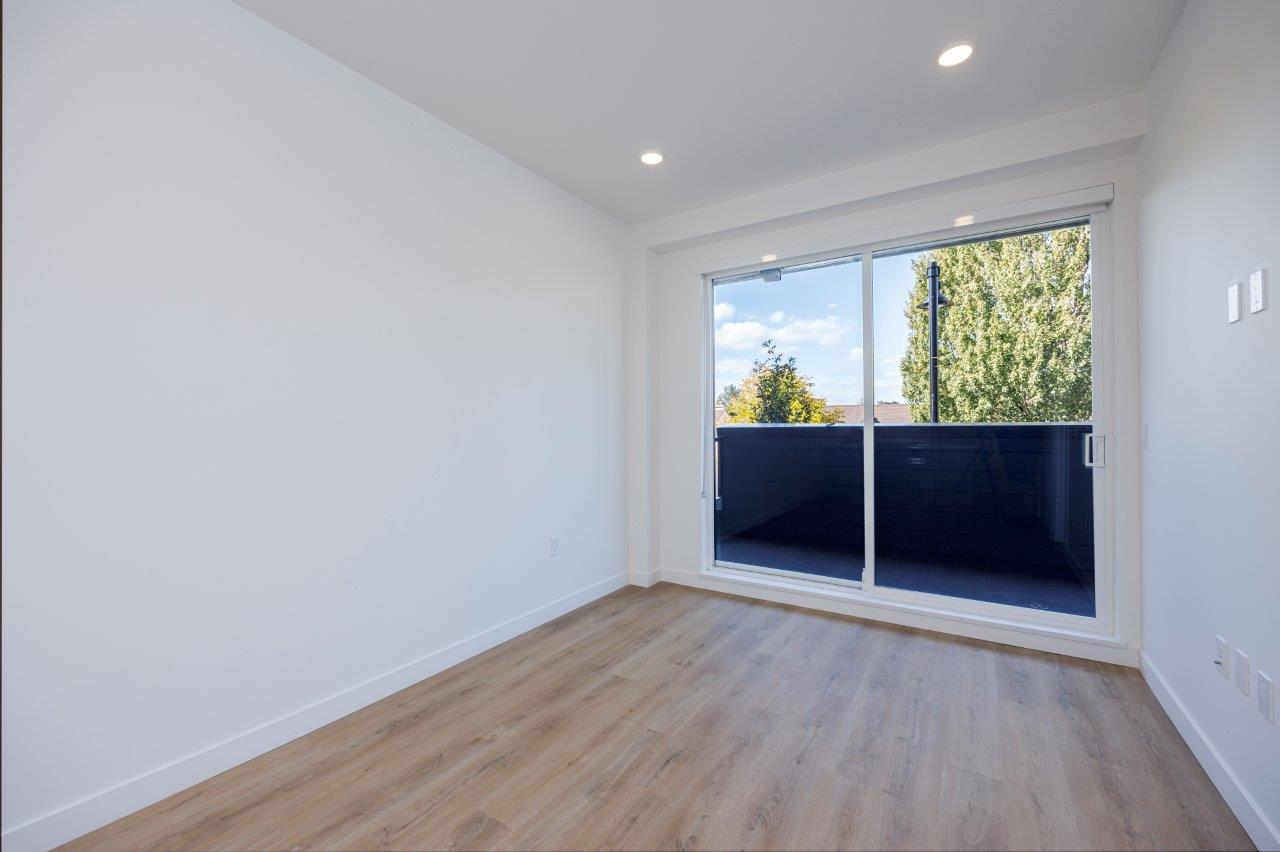
Plan for Renovation Costs That Can Shift mid Project
Unexpected issues tend to appear once walls open or systems get exposed, making renovations difficult to predict down to the last dollar. Hidden damage, outdated wiring, or structural surprises can shift timelines and costs within days. Experienced managers plan for these changes by setting realistic expectations before work even begins.
Clear communication with contractors keeps projects moving even when plans change. Detailed scopes and contingency allowances prevent small problems from turning into major delays. Careful oversight helps maintain quality while keeping spending under control.
Update Insurance Coverage As Risks and Rates Change
Market conditions and property risks rarely stay the same for long, which makes regular policy reviews necessary. Coverage that worked last year may no longer match current exposure, especially after upgrades or occupancy changes. Managers stay alert by checking limits, deductibles, and exclusions that could affect claims.
Rate increases can happen without warning, so comparing insurance options helps control long-term costs. Adjustments to coverage often strike a balance between protection and affordability. Strong planning keeps properties protected without overpaying for unnecessary add-ons.
Track Utility Bills to Spot Sudden Cost Spikes
Monthly statements reveal more than just totals if reviewed carefully. Sudden increases often point to leaks, faulty equipment, or inefficient systems that need attention. Tracking usage patterns helps managers catch these issues early before they grow into expensive problems.
Seasonal changes also affect utilities, but unusual spikes outside normal trends deserve investigation. Consistent monitoring builds a clearer picture of how each property performs over time. This approach keeps expenses predictable and easier to manage.
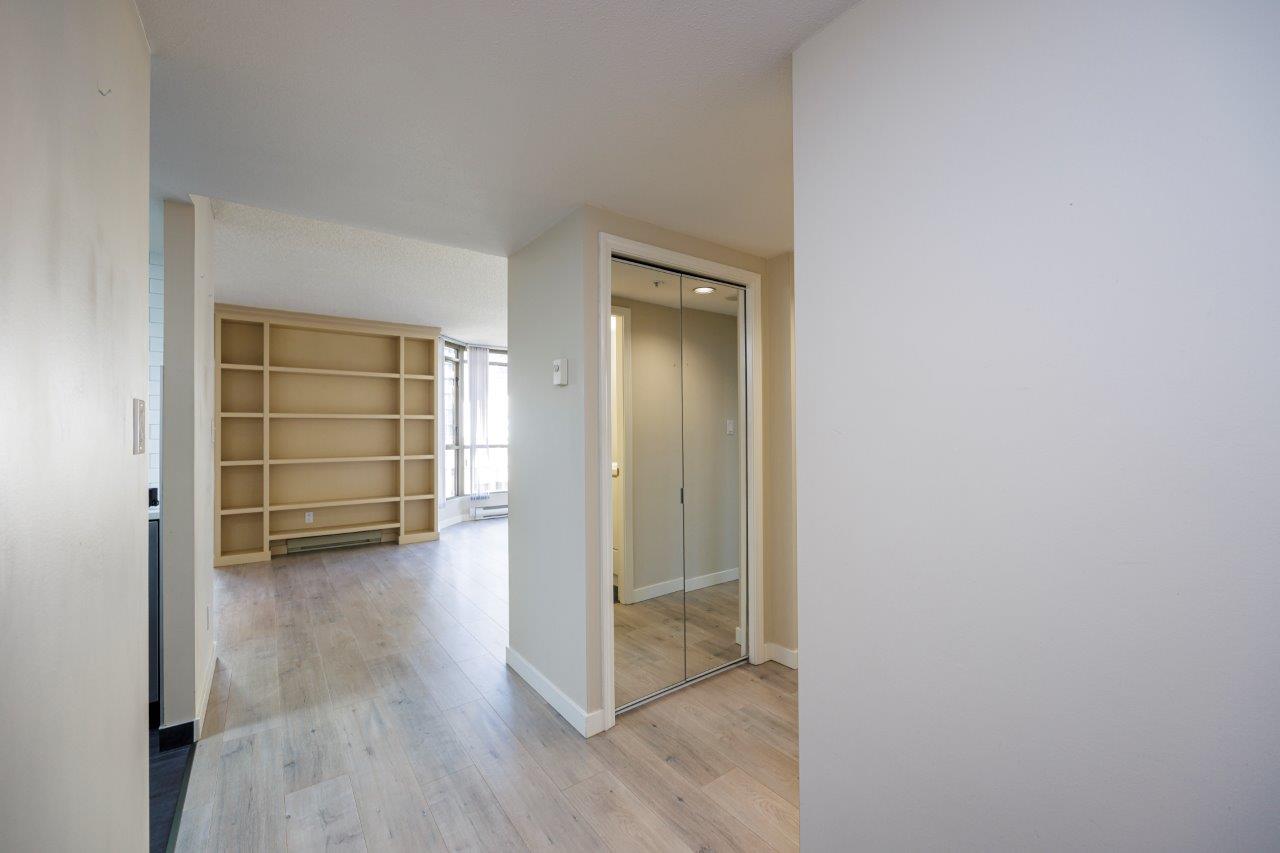
Keep Reserve Funds Ready for Unexpected Expenses
Unexpected repairs rarely wait for a convenient time, which makes reserve funds essential. Roof leaks, equipment failures, and emergency fixes can appear without warning and demand immediate action. Having funds set aside prevents delays that could worsen the damage.
Careful planning determines how much to reserve based on property size, age, and condition. Managers review these funds regularly to ensure they stay aligned with potential risks. Strong reserves provide stability during moments that could otherwise disrupt operations.
Recheck Vendor Quotes Before Starting Any Repairs
Prices can shift quickly between the time a quote is given and when work begins. Material costs, labor rates, and availability often change, especially during busy seasons. Rechecking quotes helps avoid surprises that could stretch the budget.
Clear agreements with vendors reduce confusion about pricing and scope. Updated estimates allow managers to make informed decisions before committing to work. This step protects both the property and the owner from unexpected expenses.
Spread out Upgrades to Manage Rising Material Costs
Large upgrades can strain budgets if completed all at once. Spreading projects over time allows managers to adjust plans based on changing material costs. This approach helps avoid overspending while still improving the property.
Prioritizing the most important updates keeps operations running smoothly. Smaller, phased improvements often deliver steady results without overwhelming financial resources. Smart scheduling gives managers better control over timing and expenses.
Compare Insurance Options to Control Premium Increases
Premiums can rise even without major claims, which makes comparison a useful tool. Reviewing multiple policies helps identify better rates or improved coverage options. Managers use this process to keep protection strong without unnecessary cost increases.
Regular comparison also reveals gaps that may not be obvious at first glance. Adjusting policies based on current needs helps maintain balance between risk and expense. Thoughtful decisions keep long-term costs manageable.
Watch Seasonal Utility Use to Avoid Billing Surprises
Seasonal changes often bring predictable shifts in energy and water usage, but many property owners overlook how dramatic those changes can be across different months. Heating systems tend to drive costs up during colder periods, while air conditioning can quickly increase expenses in warmer seasons. Property managers pay close attention to these patterns by reviewing past billing cycles and comparing them year over year, which helps set realistic expectations and prepare for fluctuations before they hit. Careful tracking also allows them to separate normal seasonal increases from unusual spikes that may signal a deeper issue within the property.
Unexpected changes outside of typical seasonal trends often point to hidden problems that need immediate attention, such as leaks, aging equipment, or inefficient systems working harder than they should. Quick investigation helps prevent small inefficiencies from turning into ongoing financial drains, especially in multi-unit properties where costs can multiply fast. Consistent monitoring and proactive adjustments give property managers the ability to maintain stable operating costs while keeping tenants comfortable year-round, avoiding the kind of billing surprises that can disrupt both budgets and long-term planning.
Build Confidence and Stability with Pacific West Property Management Leading the Way Through Uncertainty
Strong property performance does not happen by chance; it comes from steady guidance, clear planning, and quick action when conditions shift. Pacific West Property Management focuses on keeping operations smooth even when costs change or unexpected issues arise. Our team studies trends, tracks expenses closely, and makes informed decisions that protect both the property and the owner’s long-term goals. Rather than reacting late, we stay ahead of problems, which helps prevent small concerns from turning into expensive setbacks.
Reliable management also means having a team that communicates clearly and follows through on every detail. Pacific West Property Management works closely with owners to explain what is happening, why decisions are made, and how each step supports the bigger picture. Our approach brings consistency to day-to-day operations while still allowing flexibility when conditions change. Contact us today to see how our experience and hands-on management style can bring stability, reduce stress, and help your property stay on track no matter what comes next.