Tenants don’t just want a roof over their heads—they want to feel at home. A good experience makes the difference between high turnover and long-term loyalty. For landlords and property owners, investing in the tenant experience pays off in fewer vacancies, better reviews, and stronger community vibes. Here are the often-overlooked ways to upgrade your property’s appeal without overcomplicating things.
Quick fixes don’t just solve the problem—they build trust. When tenants report issues and get fast, reliable maintenance in return, they know their comfort matters. It turns a stressful situation into a positive one. A dripping faucet or flickering light might seem small, but how you respond says everything. Showing up promptly with a solution goes a long way in shaping how tenants view their rental experience.
Smart property owners set up systems that track maintenance requests and timelines. This avoids delays and ensures no task gets forgotten. Tenants remember how maintenance issues were handled, and they often bring it up in reviews or when renewing their lease. Whether it’s routine servicing or unexpected repairs, staying proactive helps everyone breathe easier.
Simplifying Communication to Improve Tenant Satisfaction
Clear communication beats fancy tech or flashy perks. Tenants don’t want to chase answers or guess who to call when something goes wrong. Whether it’s rent questions or package deliveries, simple and consistent communication creates smoother interactions. A centralized platform or contact method keeps everything organized, so tenants aren’t left in the dark.
You don’t need complex apps to keep everyone informed. A well-run email thread, text alert system, or shared portal can handle reminders, updates, and announcements without the noise. When tenants feel heard and updated, they’re less likely to get frustrated. A good line of communication builds confidence and reduces misunderstandings, which improves retention without any extra bells and whistles.
Upgrading Common Areas to Build Community
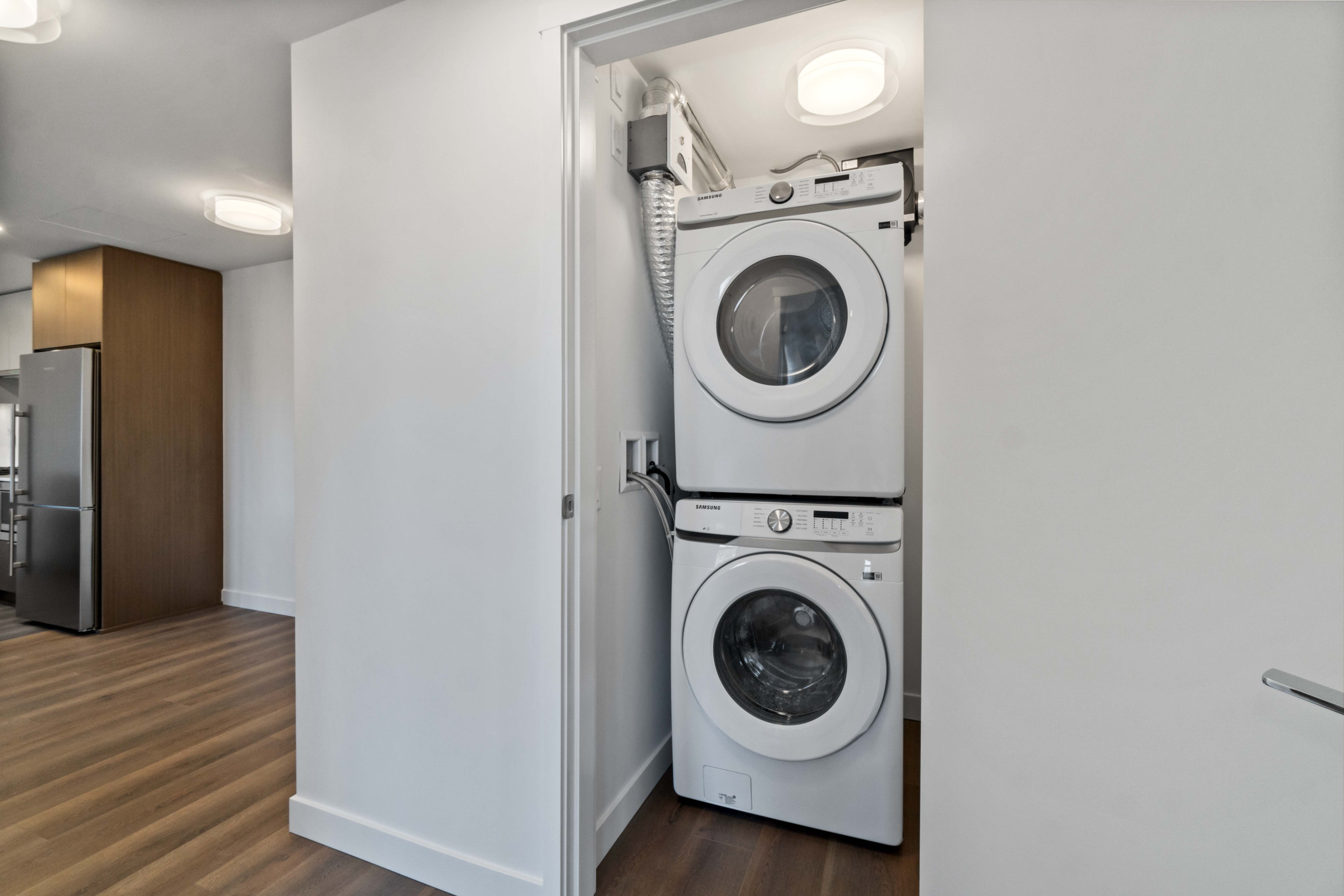
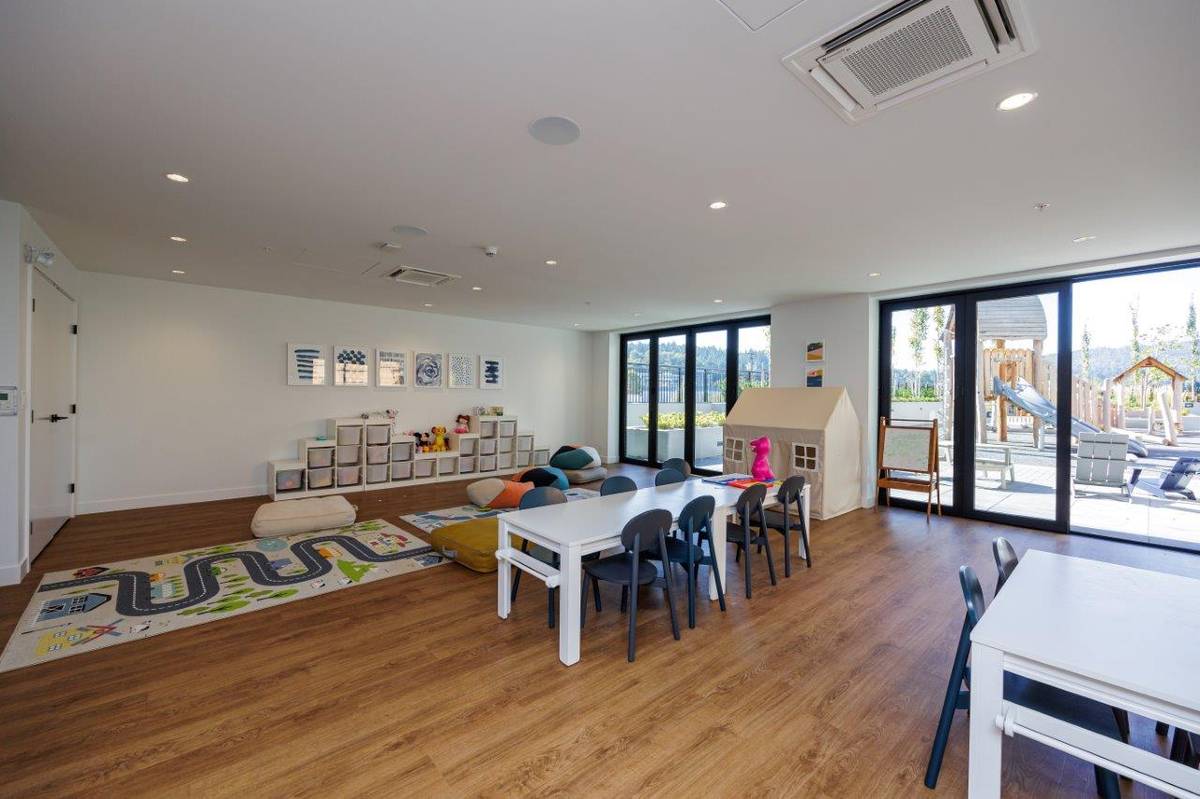
Shared spaces are often overlooked, but they say a lot about how much a property values its tenants. A drab laundry room or unused courtyard doesn’t inspire connection. But clean, updated, and welcoming common areas invite people to gather, relax, and feel at home. Adding simple features like better lighting, a fresh coat of paint, or comfortable seating turns unused zones into inviting hangouts.
These upgrades don’t need to be expensive. A barbecue grill, a few tables, or some greenery can transform a dull corner into a shared experience. When tenants bump into each other in spaces that feel cared for, it builds community naturally. People stay where they feel connected—not just to the space, but to the people around them.
Smart Amenities Tenants Actually Appreciate
Trendy amenities might look good on listings, but practical upgrades win in the long run. Think smart thermostats, package lockers, or fast Wi-Fi. These features make daily life easier and more comfortable. Tenants appreciate amenities that blend into their routine and save them time or hassle.
Technology that simplifies life is a bonus. A keyless entry system or app-controlled laundry notifications doesn’t just impress—it makes everyday living more convenient. The key is to choose amenities that improve how tenants live, not just how the property looks. Thoughtful upgrades feel personal and meaningful, which strengthens the overall experience.
Prioritizing Safety Measures for Peace of Mind
A secure home is a comfortable home. Tenants notice when a property takes safety seriously—whether it’s proper lighting in the parking lot or a working security system at the entrance. These details might not show up on a tour, but they matter the minute tenants move in. It’s about creating an environment where people can relax, not worry.
Regular safety checks and clear procedures make a difference. Updated locks, visible cameras, and marked exits show tenants that their well-being is a priority. Even something as simple as trimming bushes near walkways can prevent problems before they start. Safety isn’t flashy, but it’s essential for tenant peace of mind and trust in management.
Flexible Lease Options That Enhance Tenant Loyalty
Not all renters are on the same timeline. Offering flexible lease terms—whether it’s month-to-month, 12-month, or short-term—can attract a wider range of tenants and keep current ones happy. Life changes fast, and giving people options shows you understand that. A rigid lease might work for you, but flexibility helps tenants stay longer.
Flexibility can also include payment plans or renewals that match changing schedules. Instead of losing good tenants because of inflexible contracts, a little adaptability keeps them onboard. When tenants feel like they’re in control of their living situation, they’re more likely to stay loyal—and that helps your property stay full and stable.
Seasonal Property Checks for Consistent Comfort
Tenants shouldn’t have to ask for seasonal maintenance—it should happen automatically. Checking HVAC units before winter or inspecting gutters before heavy rains helps keep things running smoothly. These seasonal walk-throughs prevent bigger issues and show tenants that you’re thinking ahead, not just reacting when things go wrong.
Comfort is more than just temperature. Checking insulation, sealing windows, and maintaining outdoor areas through each season creates a consistent living experience. Tenants remember how their home held up during summer heat or winter cold. Regular checks send the message that you care about their comfort year-round—not just when they call.
Thoughtful Personalization That Retains Long-Term Tenants
People want to feel like more than just another name on a lease. Small personal touches go a long way. Remembering a tenant’s birthday or acknowledging an anniversary with a small gift shows thoughtfulness. It builds a stronger relationship and gives tenants a reason to stay, even when better-priced units pop up elsewhere.
Customization can also include allowing simple upgrades like painting a wall or hanging shelves. Giving tenants some control over their space helps them feel invested in it. They’re not just renting—they’re living. And tenants who feel at home are far more likely to treat the space with care and renew their lease.
Give Your Tenants a Better Experience with a Trusted Property Management Partner Like Pacific West Property Management
Creating a top-tier tenant experience isn’t about spending more—it’s about being smart, thoughtful, and consistent. Pacific West Property Management understands how small improvements lead to long-term results. From clear communication to modern amenities, we manage every detail with care. Our hands-on approach helps landlords and tenants alike enjoy smoother relationships and better living environments.
Whether you own one property or several, our experienced team takes the pressure off. We handle maintenance, tenant communication, seasonal checks, and more—all with an eye for quality and professionalism. Happy tenants mean steady income, fewer vacancies, and properties that thrive under thoughtful management. Contact us today to see how Pacific West Property Management can help you build better experiences that keep tenants happy and your properties running strong.
Renting a home isn’t just about finding a place and exchanging keys. Behind every well-functioning rental relationship is one important document—the rental agreement. It’s more than just paper and signatures; it’s the foundation of trust and responsibility between landlords and tenants. Think of it as the instruction manual that keeps both sides clear on what’s expected, what’s allowed, and how to keep things fair.
A rental agreement lays everything out in black and white. Tenants know exactly what they’re responsible for, whether it’s paying rent on time, keeping the place clean, or respecting noise levels. At the same time, landlords have their duties listed, like handling maintenance requests, keeping utilities running, and making sure the property is safe and livable. It takes the guesswork out of daily expectations and helps prevent conflicts before they start.
This clarity helps both sides avoid overstepping boundaries. If a tenant tries to demand upgrades that weren’t agreed upon, or if a landlord starts showing up unannounced, the agreement is there to point back to. Everyone gets peace of mind knowing there’s a shared understanding. With a rental agreement in place, you don’t rely on memory or vague promises—it’s all written down and signed off.
Establishes Legal Protection for Both Parties
If things ever take a wrong turn, a rental agreement acts like a safety net. It gives landlords the ability to take action if rent isn’t paid or property rules are broken. Tenants also benefit, with protections that ensure they won’t be evicted without cause or left with unresolved repair issues. This isn’t about mistrust—it’s about having a legal framework that supports fairness for both sides.
Without this agreement, disputes can quickly become complicated. One side says one thing, the other says another, and suddenly it’s hard to tell who’s in the right. A well-drafted rental contract becomes the reference point that courts and legal advisors can use. It can help avoid costly legal trouble by providing documented proof of what both parties agreed to at the start.
Specifies Payment Terms and Avoids Misunderstandings
Money can be a sensitive topic, and that’s why having clear terms around rent is vital. The rental agreement outlines the exact amount due, when it’s due, and how it should be paid. Whether rent is paid by check, online transfer, or automatic withdrawal, there’s no confusion. Everyone stays on the same page, and late payments become less frequent when expectations are clearly communicated.
It also details what happens if payments are missed. Late fees, grace periods, and possible eviction timelines are usually listed to keep tenants informed. This way, there are no awkward surprises. Having everything written down reduces tension and gives tenants a fair warning before any action is taken. It’s easier to build a good relationship when both parties understand the financial terms from the beginning.
Helps Maintain Property Condition Standards
A rental agreement isn’t just about financials—it also plays a big role in how well the property is taken care of. The document typically spells out what condition the property should be kept in, who handles maintenance, and how damage is reported. Tenants are expected to report issues early, and landlords agree to handle them promptly. This keeps the home safe and comfortable for everyone.
Over time, normal wear and tear will happen, but clear agreements prevent finger-pointing when things go wrong. If a door breaks, or a pipe leaks, the rental agreement can clarify who’s responsible. This saves time and keeps small issues from turning into expensive problems. With everyone playing their part, the property stays in good shape and tenants enjoy a better living experience.
Sets Rules for Property Modifications and Repairs
Sometimes tenants want to personalize their space, but not all changes are welcome. The rental agreement lays out what kind of modifications are allowed, like hanging shelves or painting walls. It also outlines what needs written permission, such as adding built-in appliances or changing light fixtures. This prevents any surprises for landlords and ensures tenants understand their limits.
The same goes for repairs. While tenants might be expected to handle minor fixes like replacing light bulbs or unclogging drains, anything bigger usually falls under the landlord’s responsibility. The agreement spells this out so everyone knows where the line is. That way, no one feels like they’re being asked to do too much—or too little.
Provides Procedures for Resolving Disputes
Even with the best intentions, disagreements happen. A rental agreement acts as a built-in roadmap for how to handle those situations. Whether it’s a concern over noise complaints or parking issues, the agreement usually outlines steps for resolving problems. This might include sending written notice, attending mediation, or giving a deadline for resolution.
Having a process in place avoids heated arguments and helps both parties feel heard. Instead of letting conflict escalate, the agreement encourages communication and clarity. It shifts the focus from frustration to resolution. With these steps already agreed upon, solving problems becomes part of the process—not a personal battle.
Ensures Tenant Compliance with Local Laws
Rental laws vary by city and state, and the rental agreement is where those rules often get woven in. Landlords can include language that reinforces local occupancy laws, pet restrictions, or noise ordinances. This makes it easier for tenants to follow regulations and avoid penalties. It’s not just about following the law—it’s about making those laws accessible.
The agreement also protects landlords from unknowingly violating rules. By clearly stating legal requirements within the rental contract, everyone stays informed. This ensures the property stays in good legal standing, avoiding fines or legal action. Plus, tenants appreciate knowing what’s expected of them from a legal standpoint, which builds mutual respect and accountability.
Outlines Conditions for Lease Renewal and Termination
Eventually, every lease comes to an end—or needs to be extended. A rental agreement lays out how that process works. Whether it renews automatically or requires a new signature, the document should explain what happens as the end date approaches. Tenants can plan ahead, and landlords have time to make decisions about the future of the property.
It also explains how either party can end the lease early. Notice periods, penalties, and required communication are all usually written into the agreement. That way, if something changes—a job move, a family emergency—there’s already a plan in place. It takes a lot of stress out of a potentially difficult situation by providing structure and options.
Find Reliable Tenants, Keep Properties Protected, and Save Time with Pacific West Property Management
Managing rental properties takes more than collecting rent checks. You need strong agreements, clear communication, and trusted professionals who understand what keeps a lease running smoothly. At Pacific West Property Management, we handle it all—from drafting airtight rental agreements to ensuring your tenants follow through on every responsibility. We work closely with both property owners and renters to make sure everyone stays informed, protected, and satisfied throughout the entire lease term.
We don’t just manage properties—we create systems that work. Whether you’re new to renting out a home or juggling multiple properties, our team makes it easy to stay organized and in control. With Pacific West Property Management, you gain more than just service—you gain peace of mind, legal security, and happy tenants. Contact us today to get started on building better rental experiences.
Tenants are more than people who pay rent—they’re partners in keeping your property successful. The way you treat and connect with them can impact your income, your time, and your stress level. Building strong tenant relationships doesn’t just make things easier; it sets the tone for how your property runs every single day.
When a tenant feels respected and valued, they’re more likely to stick around. Long-term renters offer stability and reduce the hassle of constant turnover. A property that offers a responsive and respectful landlord-tenant dynamic builds trust over time. That trust translates into comfort, and comfort leads to lease renewals. Tenants who feel heard and appreciated will often choose familiarity and reliability over the unknown, even if other options are available.
You don’t need grand gestures to build tenant loyalty—just consistent respect and fairness. Responding to maintenance requests quickly, checking in occasionally without being intrusive, and being honest in your communications go a long way. A renter who knows they’re in good hands is far more likely to renew than one who feels ignored or mistreated. If you’re involved in property management, investing a little time in tenant relationships can lead to years of reliable occupancy.
Open Communication Encourages Proactive Property Care
Keeping the lines of communication open helps tenants feel comfortable reporting problems early. That’s a big win, because the sooner you know about issues like water leaks, HVAC malfunctions, or electrical concerns, the cheaper and easier they are to fix. Good communication builds a team-like mindset, where the tenant feels responsible for helping care for the property, not just living in it.
When tenants feel like you’re approachable, they’re more likely to mention minor problems before they turn into major headaches. That proactive attention reduces long-term repair costs and keeps the unit in great shape for future renters. Open communication also lets you understand the tenant’s perspective, which helps you tailor your management approach in ways that maintain both the property and the relationship.
Strong Tenant Rapport Reduces Vacancy Expenses
Every vacant unit costs money—repairs, cleaning, advertising, and lost rent add up fast. By building a strong relationship with tenants, you reduce the chances of them moving out unexpectedly. Tenants who feel respected are less likely to leave over minor issues and more likely to notify you early if they do plan to move, giving you time to prepare.
With consistent rapport, tenants may even help market the property for you by recommending it to friends or coworkers, making the transition smoother and more cost-effective. Having that personal connection means you’re not just another landlord—they’re more invested in keeping the property occupied and well cared for until the very end of their lease.
Building Mutual Respect Minimizes Disputes and Conflicts
No one wants drama when managing property, and strong relationships help avoid it. When tenants and landlords respect each other, small disagreements don’t turn into battles. Respect doesn’t mean always saying yes—it means listening, being fair, and holding both sides accountable. That kind of mutual understanding prevents hostility and keeps conflicts from escalating.
When disputes do happen, a foundation of mutual respect helps both parties resolve them faster. Instead of threats or legal action, people are more likely to have real conversations and find a solution. That keeps your stress level down, protects your reputation, and preserves the good will that helps your property thrive in the long run.
Word travels fast, especially in real estate. A tenant who has a great experience is likely to share it—with friends, coworkers, or in online reviews. That can attract quality applicants without even trying. Good relationships fuel good reviews, and those reviews become part of your property’s reputation, whether you manage one unit or a whole complex.
The better your property’s reputation, the easier it is to find great renters. Positive feedback makes potential tenants more confident about applying. They’ll trust that the property is run with integrity and that any concerns they have will be addressed. That’s the kind of reputation that leads to less vacancy time and a more competitive position in the rental market.
When there’s a solid relationship, tenants are more likely to pay on time. It’s not just about fear of late fees—it’s about respect and mutual responsibility. A tenant who feels like more than a number understands that timely payment supports maintenance, services, and quality of life for everyone in the property.
Good relationships also make it easier to discuss financial hiccups if they arise. Instead of dodging your calls, a respectful tenant will let you know upfront if they need a short extension or want to set up a plan. That level of honesty isn’t guaranteed, but it’s much more likely if the tenant trusts you and feels like you care about their situation as much as the rent.
Tenant turnover comes with a long list of costs—cleaning, repairs, listing fees, and your own time. But satisfied tenants stick around, and that saves you money over and over again. It also reduces the stress of constantly marketing your unit, screening new applicants, and onboarding renters who might not treat your property the same way.
The more consistent your tenant satisfaction, the more likely you’ll get tenants who stay for multiple lease cycles. That consistency gives you predictability, less wear and tear, and a better grasp of your property’s long-term needs. Happy tenants are also more likely to take better care of the space, which means fewer surprise costs when they eventually do move out.
Build Stronger, Stress-Free Tenant Relationships With Help From Pacific West Property Management
Managing rental properties isn’t just about collecting rent—it’s about creating a smooth, respectful relationship that benefits both sides. That’s where Pacific West Property Management comes in. With a strong focus on communication, consistency, and care, our team helps homeowners build solid connections with tenants from the first day to the last. Whether you own one rental or several, working with professionals who prioritize relationships can change the way your property performs.
Pacific West Property Management doesn’t just manage buildings—we support the people who live in them. That approach means fewer conflicts, more lease renewals, and a steady stream of income without the chaos. If you’re ready to improve your rental experience and see what a strong tenant relationship can do for your investment, contact us today. Let’s make property management feel a little more human.
Renting out a property sounds simple—until you’re faced with repairs, unpaid rent, or noisy disputes. Screening tenants is one of the smartest moves a landlord can make. It’s not just about avoiding trouble. It’s about setting the tone for a smooth, respectful rental relationship right from the start.
Avoid Costly Evictions and Legal Battles
Evicting a tenant is stressful, expensive, and time-consuming. A single bad tenant can quickly rack up unpaid rent, court costs, and legal fees—not to mention the emotional toll. A thorough screening process helps spot red flags before they become serious problems. You can review past evictions, credit history, and rental behavior to understand who you’re handing the keys to.
It’s not about being overly picky—it’s about protecting your investment and peace of mind. The right screening filters out applicants who have a history of skipping rent or violating lease terms. If you skip this step, you’re gambling with your time and money. Strong upfront screening makes sure you’re not the one paying the price for someone else’s poor choices.
Preserve Property Condition with Responsible Renters
Renters who care about where they live usually take better care of the space. Screening tenants allows you to find those who treat the property with respect. You can see how they’ve handled previous rentals by checking references or conducting background checks. It gives you a preview of how your property might look when they leave.
Responsible tenants report maintenance issues early, avoid damaging behavior, and understand the basics of keeping a home clean and intact. Over time, that means fewer major repairs, lower turnover costs, and less wear and tear. You want someone who treats the place like it’s their own—not like it’s someone else’s problem.
Ensure Timely and Consistent Rent Payments
Missed rent payments are more than just a headache—they can disrupt your entire financial plan. Screening gives you insight into an applicant’s financial habits. A credit check, for example, offers a quick glance at whether they consistently pay bills on time. Income verification helps you confirm that they can comfortably afford the rent.
Once you’ve found a tenant with a solid payment history, you’ll spend less time chasing down money each month. Reliable renters create stable income, which is especially important if you have a mortgage or other property-related expenses. Screening helps you find tenants who understand that paying rent isn’t optional—it’s part of the deal.
Prevent Tenant-Related Neighborhood Disruptions
A good tenant respects not only the property but also the people around them. The last thing you want is someone who throws loud parties at 2 a.m. or gets into frequent arguments with neighbors. Screening can reveal behavioral patterns that may cause issues down the line. Talking to past landlords can shed light on whether the applicant has caused disturbances before.
Respectful tenants help maintain a positive environment for everyone. They keep the noise down, follow parking rules, and don’t cause unnecessary drama. That’s not just good for you—it’s good for your neighbors and the wider community. A well-screened tenant is more likely to keep the peace and stay on good terms with those around them.
Minimize Turnover and Vacancy Expenses
Every time a tenant moves out, it costs you money—cleaning, repainting, advertising, and lost rent. Good tenants stick around. Screening helps you find those who are looking for a place to call home, not just a temporary stop. Long-term renters reduce the time and effort you spend on the constant cycle of move-ins and move-outs.
High turnover drains time and creates gaps in income. You want to fill your property with people who plan to stay a while, pay rent on time, and care for the space. Taking the time to screen carefully upfront means you’re less likely to be relisting your property every few months. That stability is worth the extra effort.
Protect Your Reputation as a Reliable Landlord
Your reputation matters. Word travels fast, especially with online reviews and community groups. Screening tenants helps ensure you’re creating a good experience for both sides. If you place reliable, respectful tenants, they’re more likely to say positive things about you and how you manage your property.
On the flip side, renting to someone without due diligence can lead to conflicts, damage, or complaints that reflect poorly on you—even if you weren’t at fault. Building a solid reputation takes time, but one poorly managed situation can chip away at it fast. Tenant screening is a simple way to help maintain a positive name in the rental market.
Reduce Risks Associated with Property Damage
Damage from careless tenants can be incredibly costly. Stained carpets, holes in walls, broken fixtures—all of it adds up. Screening allows you to spot signs of past behavior that may indicate a lack of responsibility. With a little research, you can avoid tenants who treat rentals as disposable.
Good tenants keep things in good shape and often notify you of issues before they get worse. They’re less likely to host reckless gatherings or allow preventable damage. With fewer repair bills and less time spent fixing problems, you can focus more on improving your property rather than constantly fixing it. Smart screening goes a long way in protecting your space.
Work With Pacific West Property Management Who Prioritizes Smart Tenant Selection and Protect Your Investment the Right Way
Handling tenant screening on your own can be overwhelming, especially if you’re juggling multiple properties or a full-time job. That’s where Pacific West Property Management comes in. Our team understands the value of responsible renters and has the tools to screen thoroughly and efficiently. With local market knowledge and proven systems in place, we take the guesswork out of finding tenants who pay on time, treat your property well, and respect the terms of their lease.
Choosing to work with a property management company like Pacific West means you get more than just a quick background check. You get peace of mind. Our team takes care of everything from rental applications to move-in inspections, so you don’t have to worry about missing a red flag. If you want to spend less time dealing with problems and more time seeing results, this is the upgrade your rental business needs. Contact us today to see how Pacific West Property Management can help you protect your property, attract high-quality tenants, and simplify your entire rental process from start to finish.
No landlord starts out expecting trouble. You screen applicants, sign leases, and hand over keys hoping for a smooth ride. But now and then, a renter turns out to be more trouble than expected—skipping payments, causing damage, or ignoring house rules. At that point, action becomes necessary, and it’s best to move smartly and legally.
Spotting Red Flags Early in Tenant Relationships
It usually starts small—missed calls, a late rent payment, or constant complaints from neighbors. What may seem like an innocent hiccup can be a hint of bigger issues. Late payments are often the first signal that a tenant may become difficult. Small excuses, repeated over time, can turn into serious financial headaches. Catching these signs early gives a landlord time to react before the situation gets out of control.
Another clue is poor communication. A tenant who avoids answering emails or texts, doesn’t attend scheduled maintenance, or gives vague answers about lease terms can be a concern. A responsible property manager knows that spotting these patterns early makes a difference. It’s not about being suspicious—it’s about paying attention to behavior that disrupts the agreement and puts the property at risk.
Legal Steps for a Smooth Tenant Eviction Process
Dealing with a difficult renter doesn’t always mean heading straight to court. But if violations continue, following the law step by step protects the landlord. The first part is sending a formal notice. Whether it’s for non-payment or violating the lease, this step is required in most states before taking further legal action. A mistake here can delay the entire eviction process, so careful documentation and timing matter.
Many landlords aren’t aware of how much paperwork and precision go into removing a bad renter legally. Missing a deadline or filing the wrong form can send you back to square one. It helps to stay organized and understand state laws in detail. While court should be the last option, knowing the legal roadmap helps keep things on track and prevents unexpected setbacks.
Confrontation makes things worse. When it’s clear that a renter must go, the goal is to reduce friction while staying firm. Landlords can often avoid shouting matches and threats by keeping things calm and professional. Even when emotions run high, approaching the issue with clear language and a documented history keeps things focused. Written notices, instead of face-to-face arguments, give both sides space and reduce the chance of aggressive encounters.
Sometimes offering a deal works better than forcing a move through the courts. “Cash for keys” may sound strange, but it can save thousands in legal fees and property damage. Offering money to leave early can be a smart move when eviction seems like the only path forward. It might sting to hand over cash, but for a landlord trying to take back control of a unit quickly, it’s often the cheapest option.
Property Manager Tactics to Handle Difficult Renters
Dealing with tough renters is where experience really counts. A skilled property manager knows how to stay cool under pressure and stick to policies without getting personal. Instead of relying on instincts, seasoned professionals lean on procedure—warning letters, inspections, and lease reminders. The goal is not to argue but to document and enforce the rules with consistency.
Involving a third party can defuse tension. Renters may act differently when they realize the conversation is going through an official channel. A good property manager keeps records, responds promptly, and uses firm yet polite communication to maintain authority. This method protects the landlord from emotional burnout and makes it easier to resolve issues without court involvement.
Documenting Tenant Issues to Support Eviction Actions
Paper trails matter more than opinions. Even if the problem seems obvious, a landlord must prove it with facts. Photos of damage, screenshots of late payments, copies of complaints, and emails showing missed appointments all help build a strong case. Without this backup, it’s your word against theirs—and that rarely ends well.
Each time a problem pops up, it should go into a folder. This includes any texts, voicemail recordings, or maintenance requests that show repeated issues. A judge wants to see a pattern, not a one-time mistake. A landlord who keeps detailed records has a better shot at success if eviction becomes necessary down the line.
Effective Communication Strategies for Tenant Conflicts
Clear words get better results than emotional outbursts. Speaking calmly, setting deadlines, and avoiding blame can stop things from spiraling out of control. If the renter raises their voice, stay grounded. The message doesn’t need to be harsh—it just needs to be firm. Good communication helps avoid misunderstandings that often make matters worse.
Sometimes written communication works best. A well-crafted letter or email can explain expectations and consequences without causing a scene. It also creates a timestamp for the issue, which supports any future legal action. Whether dealing with missed payments or broken rules, clear and respectful messaging gives landlords a better chance of resolution.
Recovering Quickly After Dealing with a Bad Tenant
Once the dust settles, it’s time to refocus. Getting a unit back in shape quickly helps minimize lost rent and puts the property back on track. Start with a full inspection, repair damages, and photograph everything before listing it again. Fresh paint, clean flooring, and updated locks can make the space feel brand new—even if it just came out of a tough situation.
More importantly, learn from the experience. Adjust the screening process if needed. Consider stricter lease terms or increased deposits. A single bad experience shouldn’t define a landlord’s future. With better systems and trusted professionals involved, the next renter could be your best yet.
Partner With Pacific West Property Management to End the Stress of Dealing With Difficult Renters and Protect Your Property Investment
Owning rental property has its rewards, but managing bad renters isn’t something every landlord wants to handle alone. That’s where Pacific West Property Management makes a difference. Our team knows how to spot early signs of trouble, respond with the right tactics, and protect your investment from long-term damage. Whether you need help with lease enforcement, communication, or quick turnovers after problem renters, their approach is calm, effective, and built on experience.
From routine inspections to conflict resolution, Pacific West Property Management brings peace of mind to rental property owners. We help you avoid legal missteps, stay ahead of issues, and keep your properties running smoothly. Don’t wait for problems to build up—Contact us today to bring in a team that knows how to handle the tough parts of rental ownership while you focus on the benefits.
At Pacific West Property Management, we understand that managing rental properties comes with its fair share of challenges. As a leading property management company in Vancouver, BC, we’ve encountered numerous situations where proactive measures could have prevented tenant-related issues. Our experience has taught us that addressing potential problems before they arise is key to maintaining a harmonious landlord-tenant relationship and protecting your investment.
In this comprehensive guide, we’ll explore common tenant issues and provide effective strategies to avoid them. By implementing these preventive measures, property owners can minimize risks, reduce stress, and create a positive living environment for their tenants.
One of the most crucial steps in avoiding tenant issues is conducting thorough screening processes. At Pacific West Property Management, we believe that investing time and resources in vetting potential tenants pays dividends in the long run. Our rigorous screening procedures help identify responsible individuals who are more likely to adhere to lease agreements and maintain the property.
We begin by verifying an applicant’s income and employment status to ensure they can comfortably afford the rent. This step alone significantly reduces the risk of late or missed payments. Additionally, we conduct comprehensive background checks, including credit history and criminal records, to gain insights into an applicant’s financial responsibility and overall character.
References from previous landlords provide valuable information about an applicant’s rental history. We take the time to contact these references and ask pertinent questions about the applicant’s behavior, timeliness of payments, and overall conduct during their tenancy. This holistic approach to tenant screening helps us select individuals who are more likely to be responsible, respectful, and reliable.
Clear Communication and Expectations
Establishing clear lines of communication from the outset is essential in preventing misunderstandings and potential conflicts. At Pacific West Property Management, we prioritize transparent and frequent communication with both property owners and tenants. This approach helps set realistic expectations and fosters a positive relationship between all parties involved.
We ensure that lease agreements are comprehensive and easy to understand, clearly outlining the rights and responsibilities of both landlords and tenants. By explaining key terms and conditions in detail during the lease signing process, we minimize the risk of future disputes arising from misinterpretations or lack of clarity.
Regular check-ins with tenants allow us to address any concerns promptly and maintain an open dialogue. We encourage tenants to report maintenance issues or other problems as soon as they arise, enabling us to take swift action and prevent minor issues from escalating into major problems.
Proactive Maintenance and Property Upkeep
Maintaining the property in good condition is not only a legal obligation but also a crucial factor in preventing tenant issues. At Pacific West Property Management, we implement a proactive approach to maintenance, scheduling regular inspections and addressing potential problems before they become serious concerns.
Our team of experienced professionals conducts routine property inspections, checking for signs of wear and tear, potential safety hazards, and any necessary repairs. By staying on top of maintenance needs, we can address issues promptly, minimizing inconvenience to tenants and preventing small problems from becoming costly repairs.
We also educate tenants on their responsibilities regarding property upkeep, providing clear guidelines on tasks such as changing air filters, reporting leaks, and maintaining outdoor spaces. This collaborative approach helps ensure that the property remains in good condition throughout the tenancy.
Addressing Late Payments and Financial Issues
Late rent payments can be a significant source of stress for property owners and managers. At Pacific West Property Management, we have implemented several strategies to minimize the occurrence of late payments and address financial issues effectively.
Our lease agreements clearly outline payment terms, including due dates, acceptable payment methods, and late fee policies. We also offer convenient online payment options, making it easier for tenants to submit rent on time. For those who may struggle with budgeting, we provide resources and guidance on financial planning to help them meet their rental obligations consistently.
In cases where tenants face unexpected financial hardships, we work with them to explore potential solutions, such as temporary payment plans or connecting them with local assistance programs. By addressing financial concerns proactively and compassionately, we can often prevent eviction proceedings and maintain a stable tenancy.
Handling Noise Complaints and Neighbor Disputes
Noise complaints and conflicts between neighbors can quickly escalate if not addressed promptly. At Pacific West Property Management, we take a proactive approach to managing these issues, emphasizing the importance of mutual respect and consideration among tenants.
Our lease agreements include clear policies regarding noise levels and quiet hours, setting expectations for acceptable behavior. We encourage tenants to communicate directly with their neighbors about any concerns, but we also provide a formal complaint process for situations that require intervention.
When disputes arise, we act as impartial mediators, working with all parties involved to find mutually agreeable solutions. By addressing these issues promptly and fairly, we can maintain a peaceful living environment and prevent minor disagreements from escalating into major conflicts.
Dealing with Unauthorized Occupants and Subletting
Unauthorized occupants and subletting can pose significant risks to property owners, potentially violating lease agreements and local regulations. At Pacific West Property Management, we take a firm stance on these issues, implementing strict policies and regular monitoring to prevent such situations.
Our lease agreements clearly prohibit unauthorized occupants and subletting without prior written consent. We educate tenants on these policies during the lease signing process and conduct periodic inspections to ensure compliance. In cases where violations are discovered, we take swift action to address the issue, working with tenants to rectify the situation or initiating appropriate legal proceedings if necessary.
We also stay informed about local regulations regarding short-term rentals and educate our property owners and tenants about any restrictions or requirements. By maintaining vigilance and enforcing clear policies, we can minimize the risks associated with unauthorized occupants and subletting.
Addressing Property Damage and Wear and Tear
Distinguishing between normal wear and tear and tenant-caused damage can be challenging, but it’s crucial for maintaining the property’s value and avoiding disputes. At Pacific West Property Management, we have developed effective strategies to address this issue and minimize potential conflicts.
We conduct thorough move-in and move-out inspections, documenting the property’s condition with detailed reports and photographs. This documentation serves as a baseline for assessing any changes in the property’s condition over the course of the tenancy.
Throughout the lease term, we encourage tenants to report any damage or maintenance issues promptly. By addressing these concerns quickly, we can often prevent minor problems from becoming major repairs. We also provide tenants with clear guidelines on their responsibilities regarding property care and maintenance.
In cases where tenant-caused damage is identified, we work with both the property owner and the tenant to find fair solutions, such as deductions from the security deposit or payment plans for more extensive repairs. Our goal is to resolve these issues amicably while protecting the property owner’s interests.
Managing Pest Control and Infestations
Pest infestations can be a significant source of stress for both tenants and property owners. At Pacific West Property Management, we take a proactive approach to pest control, implementing preventive measures and addressing any issues promptly.
We include clear provisions in our lease agreements regarding pest control responsibilities, outlining both the landlord’s and tenant’s obligations. Regular property inspections allow us to identify potential pest problems early, enabling swift intervention before infestations become severe.
When pest issues do arise, we work quickly to engage professional pest control services, coordinating treatments and follow-up visits to ensure the problem is fully resolved. We also educate tenants on preventive measures they can take, such as proper food storage and maintaining cleanliness, to minimize the risk of future infestations.
Handling Lease Violations and Evictions
While our goal is always to maintain positive landlord-tenant relationships, there are times when lease violations or other serious issues necessitate more formal action. At Pacific West Property Management, we approach these situations with professionalism and strict adherence to legal requirements.
Our lease agreements clearly outline the consequences of violations, and we communicate these terms to tenants from the outset. When violations occur, we follow a structured process, beginning with written warnings and providing opportunities for tenants to rectify the situation.
In cases where eviction becomes necessary, we navigate the process carefully, ensuring full compliance with local laws and regulations. Our team is well-versed in the legal requirements for eviction proceedings in Vancouver, BC, and we work diligently to protect our clients’ interests throughout the process.
Encouraging Positive Tenant Behavior
At Pacific West Property Management, we believe that fostering positive tenant behavior is key to preventing many common issues. We implement various strategies to encourage responsible tenancy and create a sense of community within our managed properties.
One effective approach is our tenant rewards program, which recognizes and incentivizes positive behaviors such as on-time rent payments, property upkeep, and adherence to lease terms. These incentives not only motivate tenants to be responsible but also contribute to a more positive living experience overall.
We also organize community events and provide regular communication channels to keep tenants informed and engaged. By creating a sense of belonging and mutual respect, we find that tenants are more likely to take pride in their living space and contribute positively to the community.
Leveraging Technology for Efficient Property Management
In today’s digital age, technology plays a crucial role in efficient property management. At Pacific West Property Management, we leverage cutting-edge tools and software to streamline our processes and enhance the tenant experience.
Our online portal allows tenants to easily submit maintenance requests, pay rent, and communicate with our team. This not only improves convenience for tenants but also enables us to track and address issues more efficiently. We also use property management software to schedule and track maintenance tasks, ensuring that nothing falls through the cracks.
By embracing technology, we can provide a more responsive and transparent service to both property owners and tenants, ultimately reducing the likelihood of issues arising from miscommunication or oversight.
A Proactive Approach to Tenant Management
At Pacific West Property Management, we understand that preventing tenant issues requires a multifaceted approach. By implementing thorough screening processes, maintaining clear communication, addressing maintenance needs proactively, and leveraging technology, we can significantly reduce the occurrence of common tenant problems.
Our commitment to excellence in property management extends beyond just avoiding issues; we strive to create positive living experiences for tenants while protecting and enhancing the value of our clients’ investments. With our comprehensive approach and years of experience in the Vancouver rental market, we are well-equipped to handle the challenges of property management and ensure successful, long-term tenancies.
If you’re a property owner looking for professional management services that prioritize tenant satisfaction and property value, we invite you to contact Pacific West Property Management. Let us show you how our proactive approach can transform your rental property experience and maximize your investment’s potential. Reach out to us today to learn more about our services and how we can help you achieve your property management goals.
Owning rental property sounds like a great investment, but managing tenants can be a full-time job. Between late rent, legal complexities, and unexpected repairs, handling everything alone can turn into a stressful and time-consuming task. Many landlords believe they can save money by managing tenants themselves, but the hidden challenges often outweigh the benefits. Here’s what most property owners don’t realize until it’s too late.
Late Rent Payments and the Headache of Chasing Down Tenants Every Month
Tenants don’t always pay on time, and when they don’t, the burden falls on you. A missed rent payment might seem like a minor issue at first, but when rent is late month after month, it becomes a constant struggle. Tracking down tenants, sending reminders, and enforcing late fees take up valuable time, and without the right systems in place, collecting rent can turn into a financial headache.
A property manager eliminates this hassle by handling rent collection efficiently. They have automated payment systems, enforce lease terms consistently, and know how to deal with chronic late payers. Without professional management, landlords often find themselves negotiating with tenants, dealing with excuses, and wondering when—or if—payment will come through.
Legal Pitfalls That Can Cost You If You Don’t Know Tenant Rights and Landlord Laws
Every state has specific laws that govern tenant and landlord responsibilities, and failing to follow them can lead to legal trouble. Even something as simple as how much notice to give before entering a rental unit or how to properly handle a security deposit can become a legal issue if not done correctly. A small misstep can result in fines, lawsuits, or forced lease extensions that favor the tenant.
Evictions are another legal minefield. If handled improperly, landlords can face delays, court costs, and even penalties for violating tenant rights. Understanding fair housing laws, lease termination rules, and security deposit regulations requires ongoing education. Many landlords find out too late that ignorance of the law is not a defense when legal problems arise.
Emergency Repairs at Odd Hours That Turn Into Your Problem Instead of Theirs
When a tenant’s heat goes out in the middle of winter or a plumbing issue floods the bathroom at 2 a.m., the landlord is the first call. Managing a rental means being available at all hours to handle unexpected emergencies, whether it’s a broken appliance, electrical failure, or serious water damage. These issues can’t be ignored without violating lease agreements and local housing codes.
Even if a landlord is willing to handle repairs, finding reliable contractors at odd hours can be difficult. Emergency repairs often come with higher costs, and delays can lead to further damage, tenant frustration, and potential legal issues. Managing a property means constantly being on call, whether it’s a minor inconvenience or a major disaster.
Tenant Screening Mistakes That Lead to Costly Evictions and Property Damage
Selecting the right tenant is one of the most important aspects of rental management, but screening mistakes can lead to financial and legal problems. A bad tenant can miss rent payments, cause damage, or create ongoing disturbances for neighbors. Without a thorough vetting process, landlords risk renting to individuals with poor credit, past evictions, or criminal backgrounds.
Many self-managing landlords rely on gut instinct instead of proper screening tools, skipping credit checks or rental history verification. This oversight can result in tenants who violate lease terms, refuse to leave, or require a formal eviction process. Proper screening requires access to background checks, references, and employment verification—steps that inexperienced landlords may not know how to navigate effectively.
Lease Agreement Loopholes That Can Leave You Unprotected in Disputes
A weak lease agreement can create major problems when disputes arise. If lease terms are vague or missing key clauses, tenants can take advantage of legal gray areas, leaving landlords without proper protection. Essential terms—such as maintenance responsibilities, rent due dates, and eviction procedures—must be clearly outlined to prevent misunderstandings.
Without an airtight lease, tenants may challenge rent increases, refuse to pay for damages, or dispute security deposit deductions. Verbal agreements or outdated templates won’t hold up if a legal issue arises. A well-structured lease should be tailored to local laws and specific property needs, ensuring that both parties understand their rights and obligations from the start.
Navigating Move-Outs and Deposits Without Running Into Costly Disagreements
Move-out inspections and security deposit returns can be some of the most contested parts of rental management. Tenants often expect a full refund, while landlords must assess property conditions and deduct for damages. Without proper documentation, deposit disputes can quickly turn into legal battles that cost time and money.
A thorough move-out process requires detailed records, including pre-move-in photos and written agreements on what constitutes normal wear and tear. Many landlords underestimate how difficult it can be to prove damages beyond standard use. Failing to follow proper deposit return procedures can lead to claims of unfair withholding, resulting in legal penalties or lost cases in small claims court.
Time and Energy Drains That a Property Manager Could Handle Effortlessly
Managing a rental property is not just about collecting rent—it requires constant attention to legal matters, tenant communication, and property maintenance. The time commitment often surprises new landlords, turning what seemed like passive income into a full-time job. Balancing rental responsibilities with other commitments can quickly become overwhelming.
A property manager handles these tasks efficiently, allowing landlords to focus on other priorities. From screening tenants to handling lease agreements and responding to maintenance requests, professional management reduces stress and prevents costly mistakes. While self-management may seem like a way to save money, the hidden costs of lost time, legal issues, and tenant disputes often make it a more expensive choice in the long run.
Managing a rental property isn’t just about collecting rent—it’s dealing with late payments, legal compliance, maintenance emergencies, and tenant disputes. The time, energy, and unexpected costs of handling these challenges alone can turn your investment into a full-time job. Pacific West Property Management takes the burden off your shoulders by providing expert tenant screening, lease enforcement, and round-the-clock maintenance support. With a dedicated team ensuring your property is well-managed and your tenants are responsible, you can enjoy steady rental income without headaches. Stop stressing over tenant management and let professionals handle it for you. Contact us today to learn how we can protect your investment and maximize your returns.
Managing property can feel like a juggling act. From handling tenants to maintaining compliance with regulations, there are countless responsibilities to keep in check. Even the most experienced property managers can encounter legal issues if they’re not careful. Whether you’re a landlord or a property manager, these tips will keep you informed and prepared.
Clear Lease Agreements That Protect Both Tenants and Owners
A clear lease agreement is your first line of defense in property management. A well-drafted lease not only outlines the rules but also sets expectations for both parties. It should cover rent terms, payment schedules, maintenance responsibilities, and rules for property use. When leases are vague or incomplete, misunderstandings arise, often leading to disputes. A strong, transparent agreement helps you avoid these issues and ensures both you and your tenants are protected.
Additionally, customizing leases for specific properties can make a big difference. For instance, a multi-family property might require stricter noise policies, while single-family homes may need clauses about lawn care. Tailoring the agreement to the situation shows professionalism and reduces the chances of legal complications. Always consult an expert to ensure your leases comply with local laws and accurately address the unique needs of your property.
Proper Handling of Security Deposits to Avoid Disputes
Security deposits are a frequent source of conflict between landlords and tenants. Mishandling deposits—whether by failing to return them on time or making improper deductions—can lead to legal trouble. To avoid disputes, keep a clear record of the deposit amount, provide a detailed receipt, and use a separate account for holding deposits. Transparency in this process shows your tenants you’re operating in good faith.
When it’s time for move-out, conducting a joint inspection with the tenant can prevent surprises. Clearly document any damages and provide itemized statements for deductions. Many disputes arise when tenants feel blindsided by unexpected charges. Open communication and documentation go a long way in keeping the relationship amicable and staying on the right side of the law.
Staying Compliant with Local Housing Regulations and Codes
Housing regulations and building codes vary by location, and staying compliant is crucial to avoid hefty fines or lawsuits. These laws often cover health and safety standards, zoning requirements, and accessibility rules. Ignorance of the law isn’t an excuse, so staying informed about your local regulations is non-negotiable. Regular audits and consultations with legal professionals can help you remain compliant.
Beyond basic compliance, it’s worth keeping an eye on changes to local laws. For example, rent control measures or eviction moratoriums might affect how you manage your properties. Adapting quickly to these changes not only protects you legally but also demonstrates your commitment to ethical property management.
Fair Eviction Processes That Follow the Law
Evictions are stressful for everyone involved, but following the law can make the process smoother. Many landlords make the mistake of skipping formal eviction procedures, such as providing proper notice or filing court paperwork. This can result in legal penalties and prolong the issue. Always follow the legal eviction process, even when the situation feels urgent.
It’s also worth exploring alternatives before jumping straight to eviction. Payment plans or mediation services can sometimes resolve issues without needing to remove a tenant. When eviction is unavoidable, treat tenants respectfully and keep thorough records of the process. Handling these situations with care minimizes conflict and protects you from legal repercussions.
Transparent Communication to Prevent Misunderstandings
Clear communication is the cornerstone of successful property management. Misunderstandings often escalate into legal disputes, so keeping tenants informed is essential. Whether it’s about maintenance schedules, policy changes, or rent increases, deliver information promptly and clearly. Use multiple communication channels, like emails and posted notices, to ensure tenants receive important updates.
Encourage tenants to ask questions or voice concerns when they arise. Creating an open line of communication builds trust and reduces the likelihood of minor issues snowballing into bigger problems. Transparency not only helps you avoid legal trouble but also fosters a more positive relationship with your tenants.
Regular Property Maintenance to Avoid Liability Issues
Maintaining your property isn’t just about aesthetics—it’s about safety and liability. Failing to address hazards like loose railings or faulty wiring can result in tenant injuries, leaving you open to lawsuits. Conduct regular inspections and promptly address any maintenance requests to keep the property safe and functional.
Preventive maintenance is equally important. Regularly servicing HVAC systems, checking for leaks, and ensuring smoke detectors work can save you money in the long run while reducing legal risks. Tenants will appreciate your proactive approach, and you’ll have peace of mind knowing your property meets safety standards.
Accurate Record-Keeping for Leases and Payments
Accurate record-keeping is a behind-the-scenes task that can save you major headaches. Keeping track of leases, payment receipts, and maintenance logs ensures you’re prepared if any disputes arise. For instance, if a tenant claims they paid rent that you never received, having a detailed record will help resolve the issue quickly.
In addition to helping with disputes, good record-keeping ensures you’re ready for tax season. Proper documentation of expenses and income makes filing taxes easier and reduces the risk of audits. Investing in property management services can streamline this process, keeping your records organized and accessible.
Screening Tenants Carefully to Minimize Future Risks
The tenant screening process is your first opportunity to prevent future problems. A thorough screening process, including credit checks, rental history, and employment verification, helps you identify reliable tenants. Skipping this step can result in costly evictions or property damage down the line.
It’s important to stay consistent and fair during screening to avoid discrimination claims. Following Fair Housing Act guidelines ensures you treat all applicants equally while choosing the best fit for your property. A little extra effort upfront saves you from significant headaches later, making tenant screening an essential part of property management.
Avoid Common Property Management Pitfalls with Pacific West Property Management: Your Trusted Partner for Stress-Free Property Management
Managing properties can feel overwhelming, especially when faced with legal hurdles and tenant concerns. At Pacific West Property Management, we understand the challenges that landlords and property owners face. From drafting clear lease agreements to ensuring compliance with local regulations, our experienced team handles the details so you can focus on what matters most. We’re committed to proactive communication, thorough tenant screening, and meticulous property maintenance to keep your investments running smoothly.
Don’t let legal landmines or property management headaches weigh you down. Let Pacific West Property Management be your guide to stress-free property ownership. Contact us today and see how we can help you navigate the complexities of property management with confidence and ease.
Hiring a property manager can be a game-changer for landlords and property owners who want to keep everything running smoothly without being overwhelmed. However, there are a few steps you should take beforehand to make sure the partnership works well. From organizing property information to understanding financial expectations, preparing for a property manager can make a big difference in how smoothly everything runs. Here’s a guide on what you need to know to make this process as smooth and efficient as possible.
Organizing Your Property Information for a Smooth Transition
One of the first steps to setting up a successful property management arrangement is organizing essential property details. Think of it as laying the groundwork for your property manager to understand the ins and outs of the property quickly. Include details like utility providers, appliance warranties, and recent repairs. This not only saves you from being bombarded with questions but also sets up your property manager to jump in with a clear picture of what’s involved.
Make sure to include contact information for any vendors or contractors who have serviced the property before, along with a timeline of recent maintenance work. Having all this information readily available allows your property manager to troubleshoot issues more effectively and keeps things running without unnecessary delays. Plus, a well-organized information packet helps establish a productive working relationship from the start.
Making Sure Your Property is Ready for the Market
Before a property manager takes over, it’s crucial to assess the property’s condition to ensure it’s market-ready. Doing a pre-handoff walkthrough can help you spot any potential issues that could impact its appeal or functionality. Take a look at cosmetic aspects like paint and landscaping, but also check appliances, heating, and cooling systems. The goal is to present a property that doesn’t need immediate repairs, creating a strong starting point for management.
In addition to physical readiness, think about the amenities and features that could make your property more appealing to prospective tenants. Simple upgrades, like adding energy-efficient light bulbs or refreshing worn flooring, can add value and set your property apart. Preparing your property well can attract higher-quality tenants, saving time and hassle in the long run.
Creating Clear Expectations for Your Property Manager
Setting clear expectations with your property manager is one of the most important steps to ensuring a smooth working relationship. Outline what you want in terms of communication frequency, types of reports, and how often they’ll inspect the property. Make sure to have an honest discussion about your preferred level of involvement so they can align their approach with your expectations. This conversation can prevent misunderstandings and help the manager know exactly what you’re looking for.
Beyond regular duties, talk through any special needs or unique requests. For instance, if you have a preference for certain types of tenants or strict requirements for property upkeep, now’s the time to communicate those. Defining expectations clearly gives both you and the manager a reliable framework to work within, helping everyone stay on the same page and focused on the property’s success.
Gathering Key Documents to Simplify the Management Process
Documentation can make or break how smoothly the property management process unfolds. Make sure to gather key documents, such as the title deed, proof of insurance, appliance manuals, and recent inspection reports. Having these materials organized can prevent delays, especially when your manager needs to address any legal or maintenance issues. Consider creating a digital copy of important documents for easier access and sharing.
Lease agreements and tenant records are also important documents to keep on hand. If there’s a history of tenant issues or particular clauses in your leases, make sure your property manager is informed. By setting them up with these resources, you empower them to make informed decisions and minimize disruptions down the line.
Communicating Your Property’s Unique Needs
Every property has its quirks, and part of preparing for a property manager is helping them understand what makes yours unique. Whether it’s a historic home with sensitive materials or a newly renovated unit with specific cleaning needs, sharing these details upfront can help avoid potential issues. Walk your manager through any unique features or restrictions the property may have so they know what to expect.
Let them know about neighborhood considerations too. If there are specific rules from the homeowner association or nearby construction that could affect tenants, this information is valuable to share. By communicating these needs openly, you provide your property manager with a solid foundation to handle the property smoothly and avoid surprises.
Preparing for Tenant Interaction and Communication
A good property manager will handle tenant interactions professionally, but it’s helpful to outline your preferences and expectations regarding tenant communication. Are there certain boundaries you want to establish, or specific ways you want issues to be handled? Providing guidelines on how to manage tenant relationships can help ensure a consistent and respectful environment for everyone involved.
If you have long-term tenants with specific preferences or any ongoing situations with current tenants, inform your property manager. This context can be useful for maintaining continuity and avoiding any disruptions to the tenant experience. Setting up guidelines for tenant communication ensures that everyone is on the same page, creating a professional atmosphere that benefits both tenants and the management team.
Setting Up a System for Maintenance and Emergency Issues
Establishing a plan for maintenance requests and emergency situations is essential for a well-functioning property. Discuss with a property manager how they should handle common repairs, as well as any larger issues like flooding or power outages. Agree on a process for reporting issues, getting approval for repairs, and managing unexpected situations. Clear guidelines make it easier for both parties to respond quickly and effectively.
Consider setting a budget or pre-approval limit for repairs so that the manager can handle minor issues without delay. This proactive approach reduces the chance of disruptions for tenants and ensures the property remains in top condition. By planning ahead, you can simplify the maintenance process and keep everything running smoothly without excessive back-and-forth communication.
Understanding the Financial Aspects of Property Management
The financial aspects of working with a property manager involve more than just paying a fee. To ensure everything is clear from the beginning, go over all financial terms, including their fee structure and any additional costs you might incur. Clarify what’s covered in their standard fee versus what’s considered an extra expense. This understanding can help you budget effectively and avoid surprises.
You should also establish expectations for financial reporting, such as how often you’ll receive statements and what details will be included. A reliable financial reporting system gives you insight into your property’s performance and allows you to make informed decisions. By clarifying these aspects from the start, you and the property manager can focus on maximizing the value of the property while staying financially transparent.
Simplify the Complex World of Property Management? Let Pacific West Property Management Help You Take the Stress Out of Property Oversight
Managing a property doesn’t have to be overwhelming. At Pacific West Property Management, we understand how complex it can be to juggle tenant needs, property upkeep, and endless details, especially for busy owners. Our experienced team takes the guesswork out of property management, providing you with a dedicated property manager who knows the ins and outs of making properties thrive. We tailor our services to match your unique needs and make tenant interactions smooth and stress-free. With our support, you can relax and feel confident that your investment is in good hands. Contact us today to start a conversation about how we can make property management easier and more efficient for you.
Owning a rental property can be a great investment, but it comes with its own set of responsibilities. While some landlords prefer to handle everything themselves, others opt for the expertise of a property manager. Deciding whether or not you need a property manager depends on your schedule, level of experience, and tolerance for dealing with the daily demands of tenants and property maintenance. Let’s dive into the different aspects of property management to help you figure out if hiring a pro is the best choice for you.
One of the main reasons landlords hire property managers is to avoid handling tenant issues directly. From minor complaints to more serious disputes, tenant interactions can be time-consuming and sometimes frustrating. A property manager acts as a buffer between you and your tenants, handling questions, complaints, and any conflicts that may arise. This keeps you from having to deal with unexpected calls at all hours.
Property managers are experienced in resolving issues efficiently and know when to enforce lease terms or mediate concerns. If you’re not keen on addressing tenant disputes yourself, hiring a property manager can offer peace of mind. We take on the role of go-between, allowing you to focus on other priorities while ensuring tenants have a reliable contact for any issues.
Keeping Up with Maintenance Before Small Issues Become Big Ones
Every property requires regular maintenance, and small issues can quickly become costly if ignored. Property managers are trained to spot these issues early and schedule timely repairs, preventing minor problems from escalating. We work with a network of reliable contractors who respond promptly, often at better rates due to ongoing partnerships, keeping your property in top condition.
Routine upkeep is key to preserving property value, and a property manager makes it a priority. Without one, landlords often find themselves scrambling to handle repairs on short notice, which can be challenging to manage alongside other commitments. With a property manager, you’re more likely to see well-organized maintenance, where problems are addressed before they become emergencies.
Staying on Top of Rent Collection, Even with Busy Schedules
Rent collection can be a straightforward process, but it requires consistency. Property managers take this responsibility off your plate by ensuring rent is collected on time, addressing any late payments, and applying late fees when necessary. We handle all aspects of rent collection, including setting up convenient payment options for tenants.
For landlords with busy schedules, timely rent collection can be challenging to manage alone. Property managers follow up on missed payments, saving landlords or property owners from awkward conversations with tenants. With a property manager in place, you have a reliable system for receiving rent consistently, which helps maintain a steady cash flow for your investment.
Screening Tenants to Find the Right Fit for Your Property
Finding trustworthy tenants is a critical part of property management, and property managers excel at screening applicants. We conduct background checks, verify income, and contact previous landlords to ensure each candidate is reliable and financially responsible. This thorough process reduces the risk of renting to tenants who may default on rent or cause property damage.
A well-vetted tenant contributes to a stable rental experience, and property managers are trained to spot red flags that might not be obvious to first-time landlords. By letting a property manager handle the screening, you increase the likelihood of finding tenants who respect your property and follow lease terms, minimizing future issues and ensuring a smoother rental experience.
Coordinating Repairs and Inspections Without Interrupting Your Day
Repair coordination can feel like a juggling act, especially if your schedule is already packed. Property managers handle all repairs and routine inspections, working around the tenants’ schedules while keeping you informed. We arrange for repairs to be completed quickly and professionally, ensuring the property remains in excellent condition.
Inspections are another important aspect of property management, helping to catch any wear and tear or rule violations before they become serious issues. Property managers have the experience to know what to look for, making sure all aspects of the property meet local regulations and standards. If your time is limited, having a property manager means you won’t have to disrupt your day to coordinate repairs or conduct inspections yourself.
Reducing Vacancy Time by Marketing Your Property Effectively
Every month a property sits vacant means lost income, so effective marketing is key to reducing vacancy time. Property managers know how to craft listings that highlight your property’s best features, capturing the attention of potential tenants. We also know where to advertise to reach the right audience, ensuring a steady flow of interested renters.
Beyond creating an attractive listing, property managers are proactive about showing the property to potential tenants and responding to inquiries promptly. This approach minimizes downtime between tenants and maximizes your rental income. With a property manager’s marketing expertise, you’re more likely to see shorter vacancies and higher tenant interest.
Managing Finances and Budgets to Maximize Your Investment
Property managers don’t just oversee daily operations; they also help you manage the financial side of your investment. We keep track of income and expenses, providing you with monthly and yearly reports that outline the property’s performance. This can be especially valuable if you have multiple properties, as it helps you stay organized and make informed financial decisions.
Budgeting for maintenance, repairs, and upgrades is another area where property managers offer expertise. We know what expenses to anticipate and can advise on ways to maximize your property’s profitability. By working with a property manager, landlords gain valuable insights into the financial health of their investments and a structured plan for future improvements.
Offering a Reliable Solution When Life Gets Too Busy for DIY
There are times when life gets so hectic that managing a property on your own becomes unrealistic. A property manager provides a dependable solution for landlords whose lives are already full with family, career, and personal commitments. We step in to handle all aspects of the property, freeing up your time without sacrificing quality or attention to detail.
For those who prefer a hands-off approach, property management offers the perfect balance. You retain control of your investment without getting bogged down in the day-to-day demands. Hiring a property manager allows landlords to focus on what matters most to them, knowing their property is in capable hands and being managed efficiently.
Simplify Your Rental Management with Pacific West Property Management — Let Us Handle the Details While You Focus on What Matters
Managing a rental property doesn’t have to be stressful, time-consuming, or overwhelming. Whether you’re juggling a hectic schedule or looking to maximize your property’s value without the headaches, Pacific West Property Management is here to streamline every step of the process. From handling tenant issues and keeping up with maintenance to ensuring rent collection is always on time, our experienced team takes care of the complex details so you can sit back and enjoy the rewards of your investment. With our dedicated approach, we handle every aspect, big and small, freeing you from the daily demands. Ready to make rental management a breeze? Contact us today to see how Pacific West can support your property goals.
Alex Tzilios delivers property management with the highest ethical standards while ensuring your tenants needs are fulfilled.
Our investment property is often our greatest achievements, in both sentimental value and as a capital asset. We service our clients and manage their revenue generating assets with the highest ethical standards.
Alex Tzilios matches qualified tenants with elite properties managed by a professional property management company
Our rental management services are FREE for tenants. We source the most qualified tenants and match them with the most elite property based on their own personal needs and specifications.