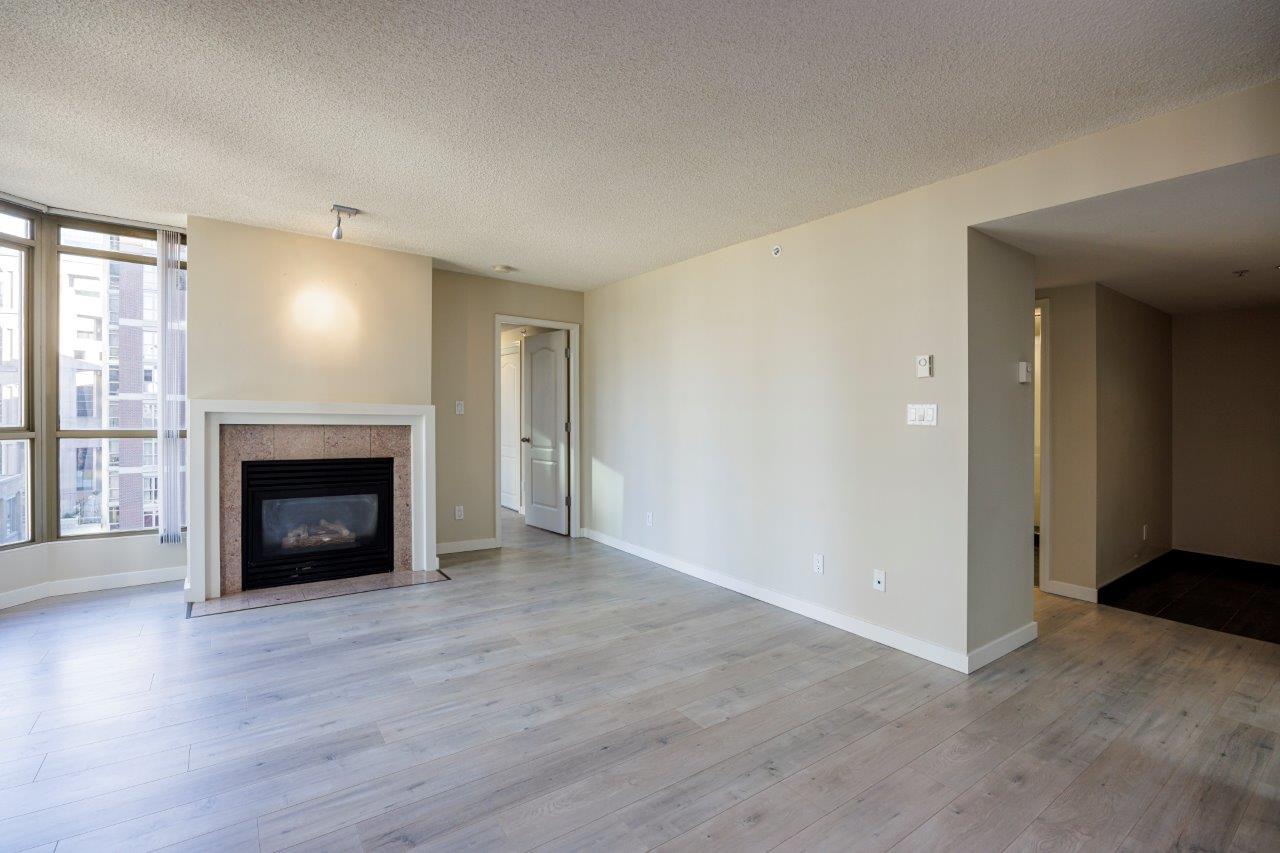
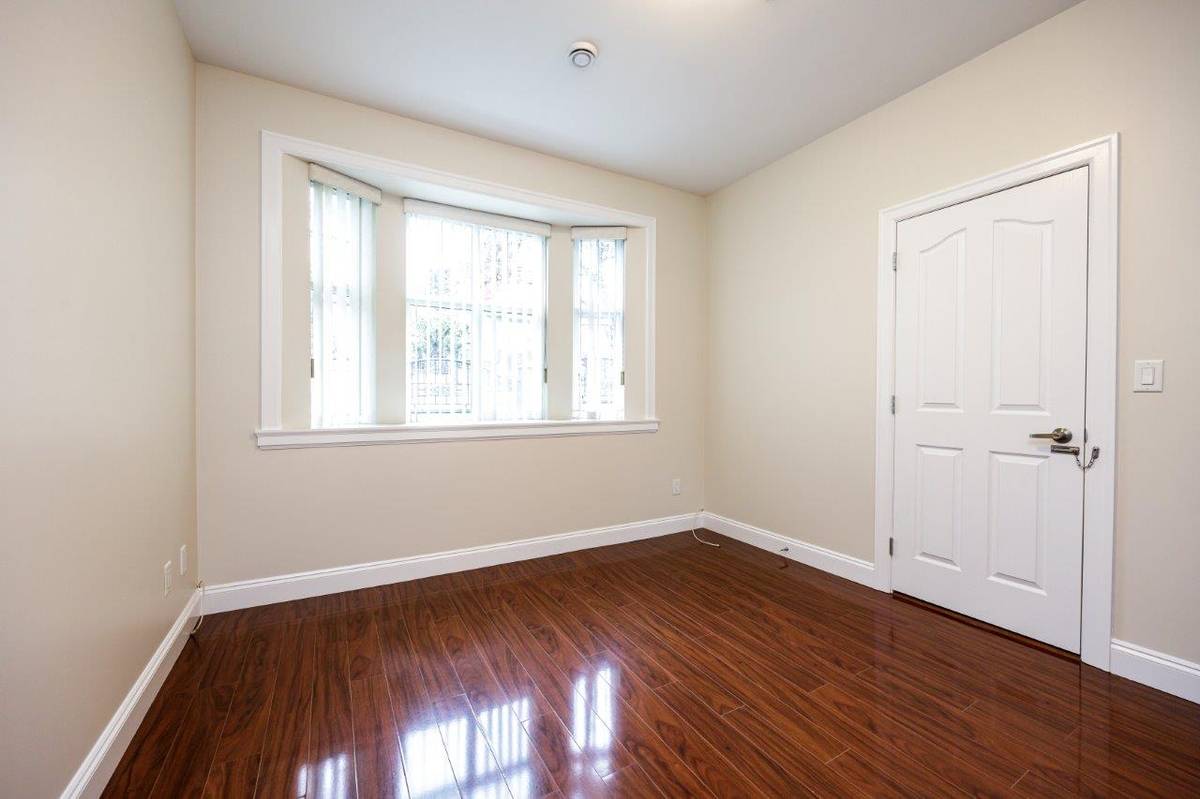
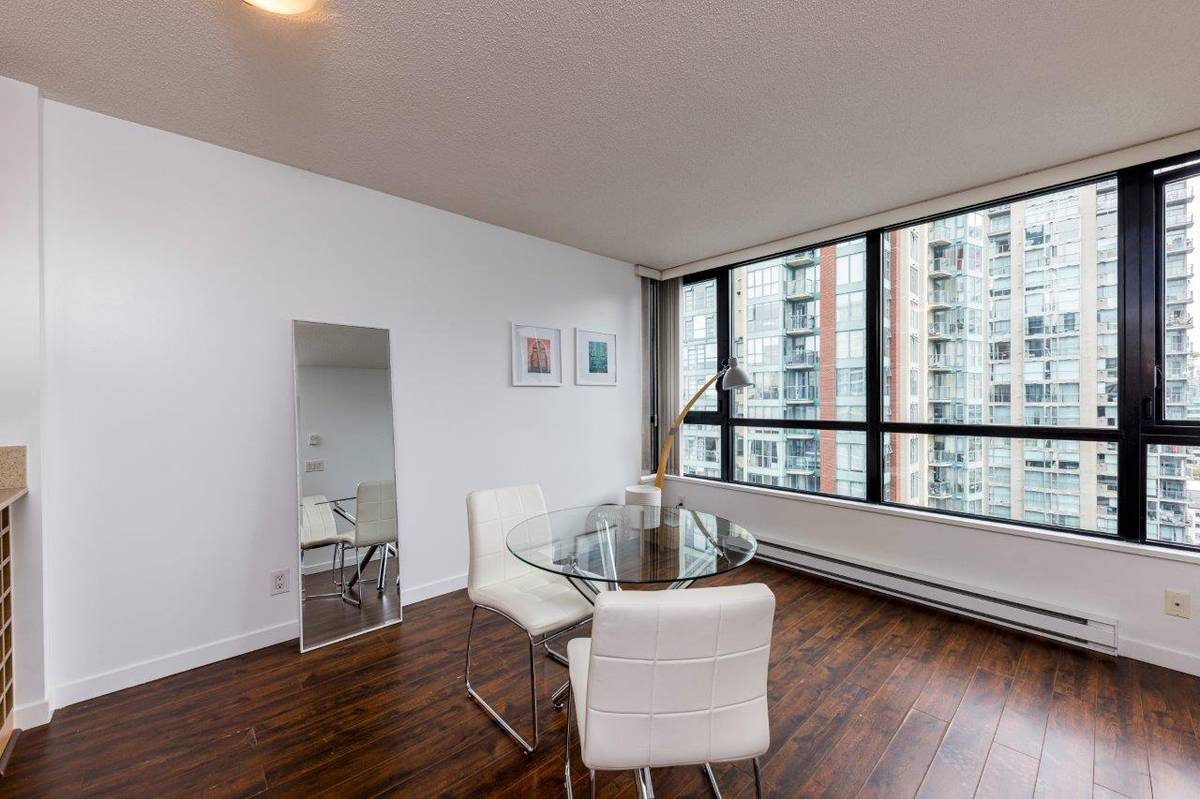
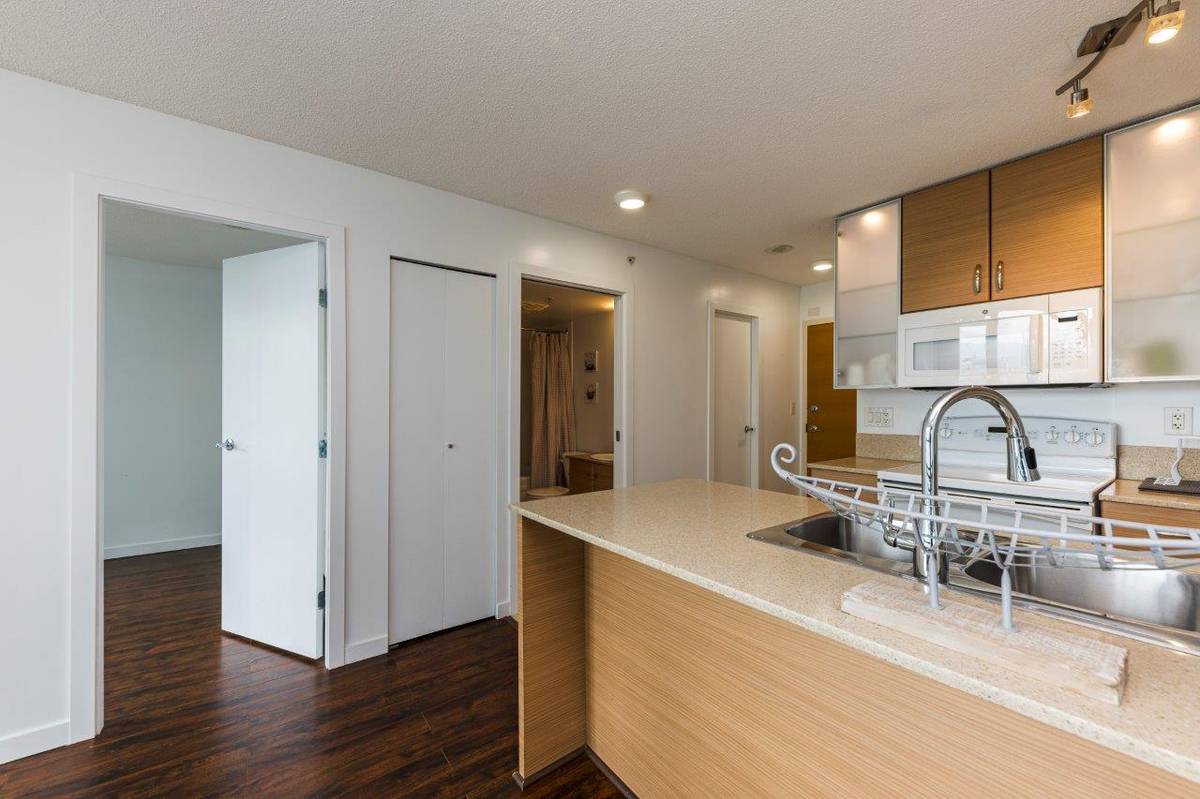
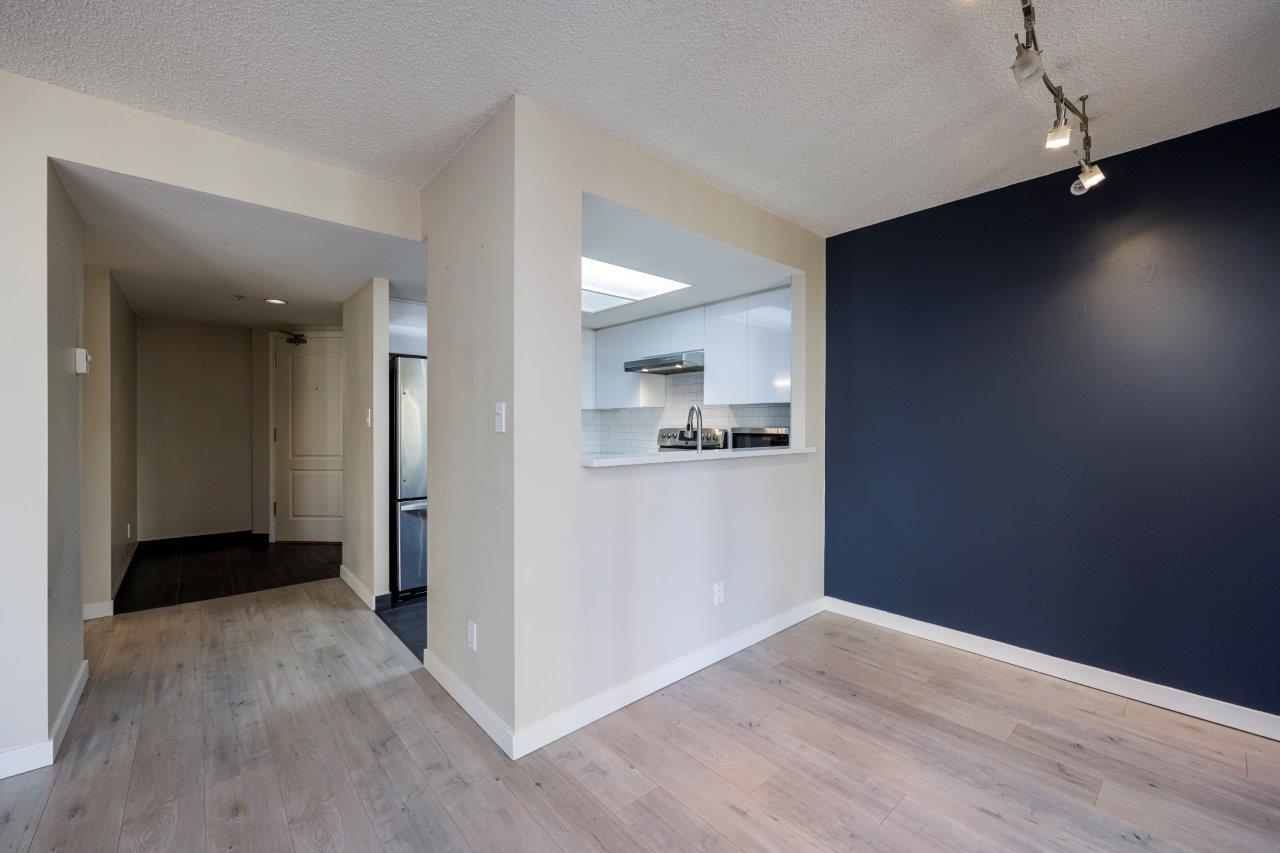
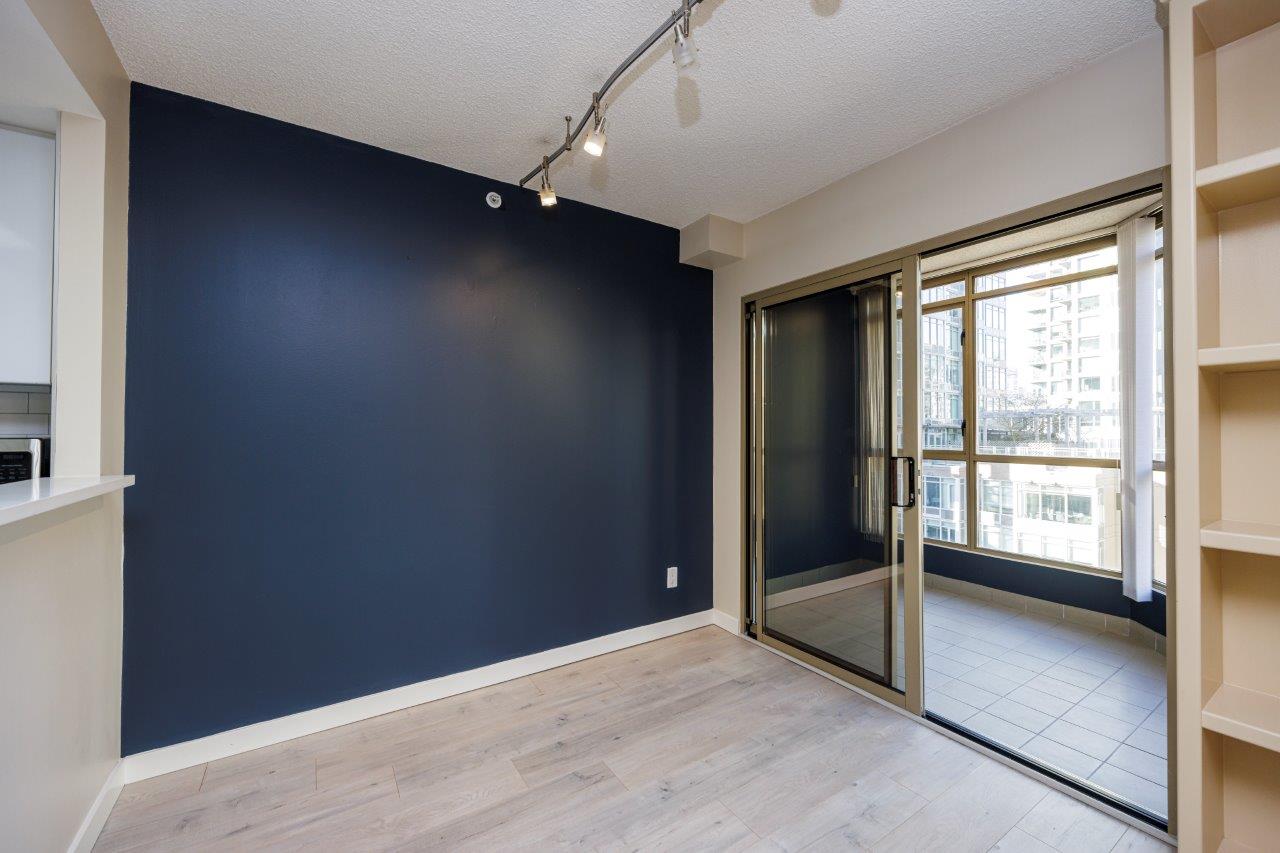
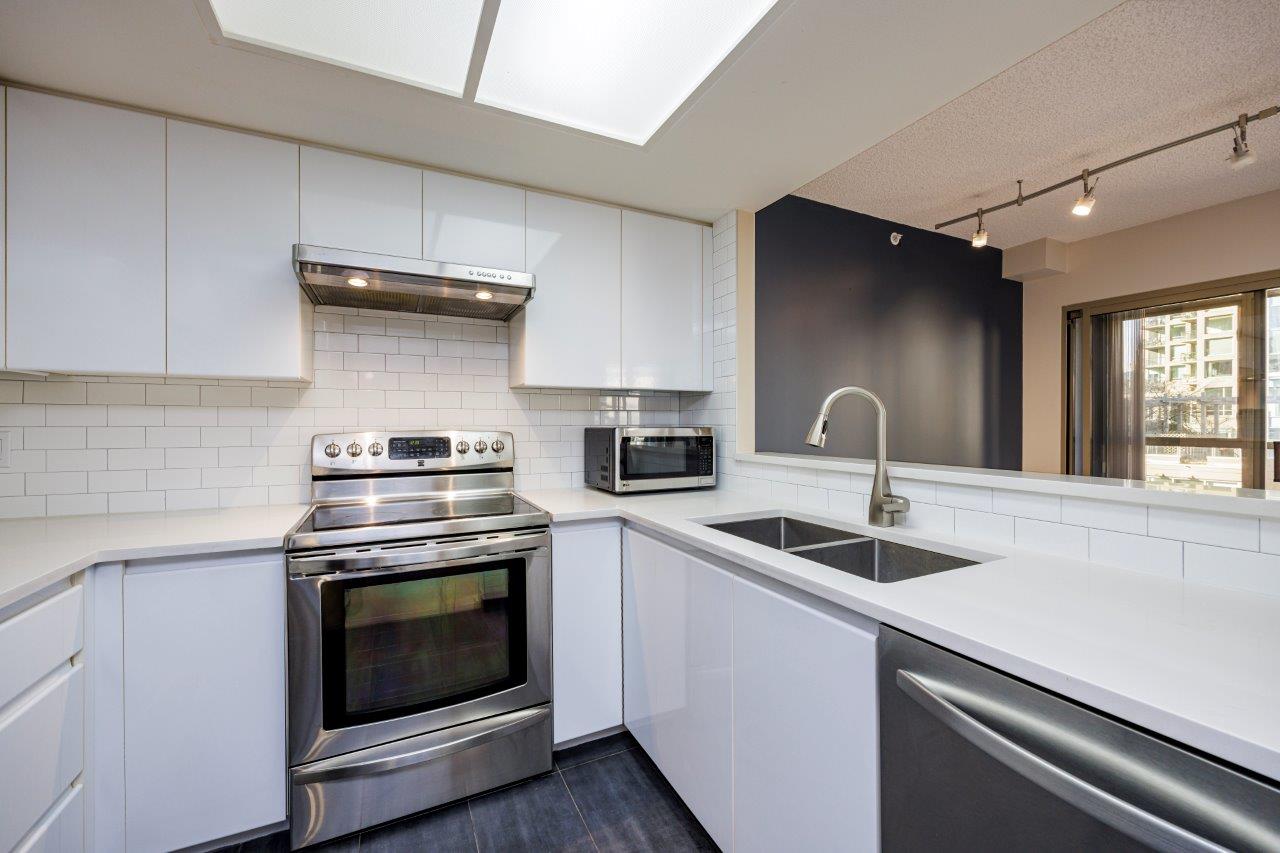
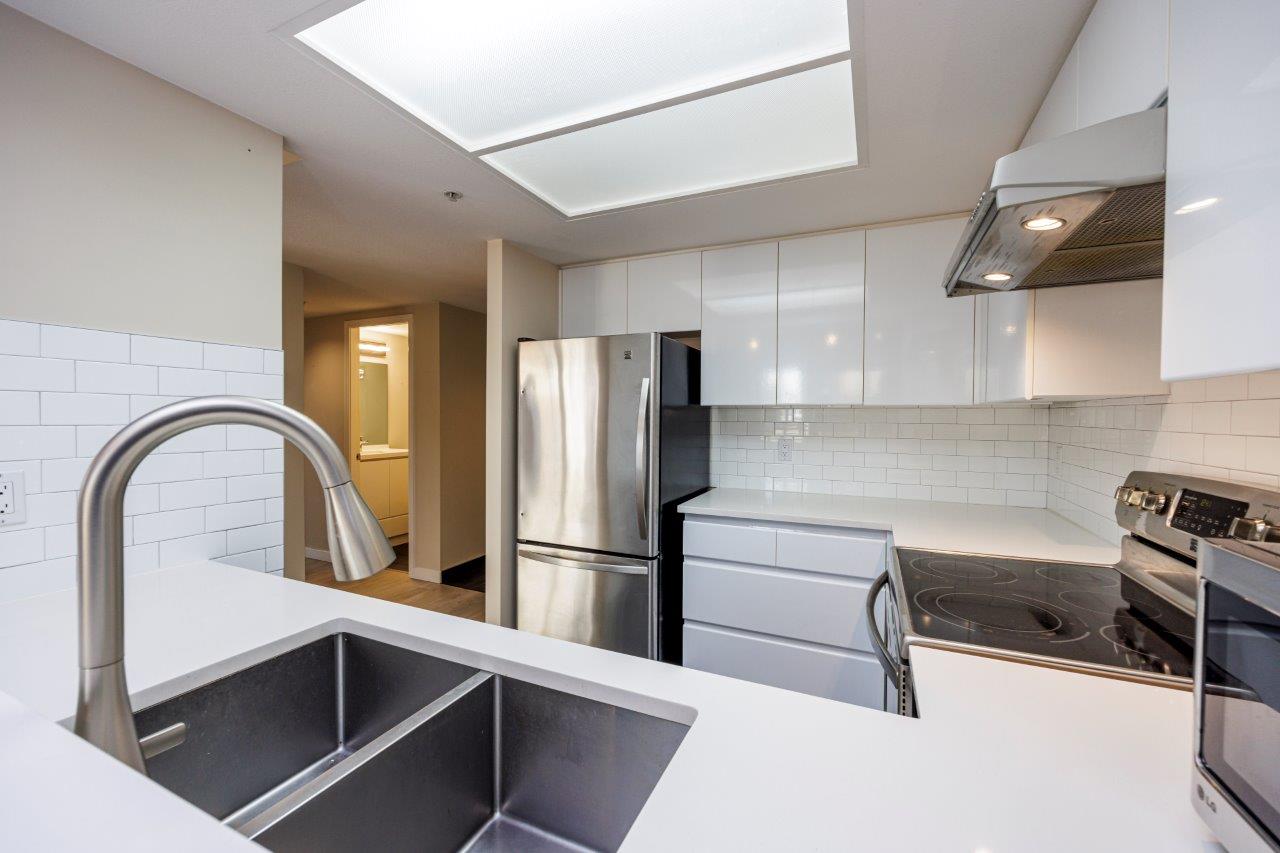
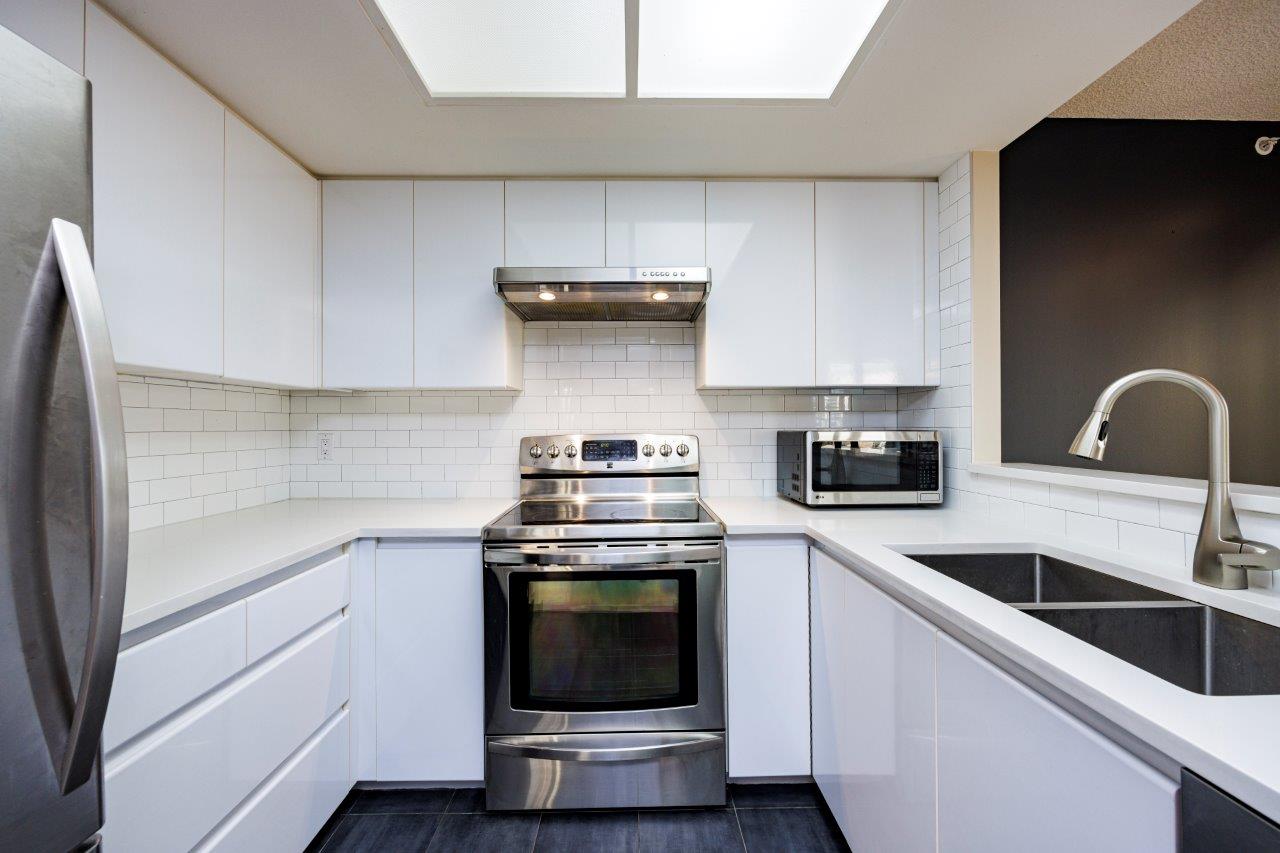
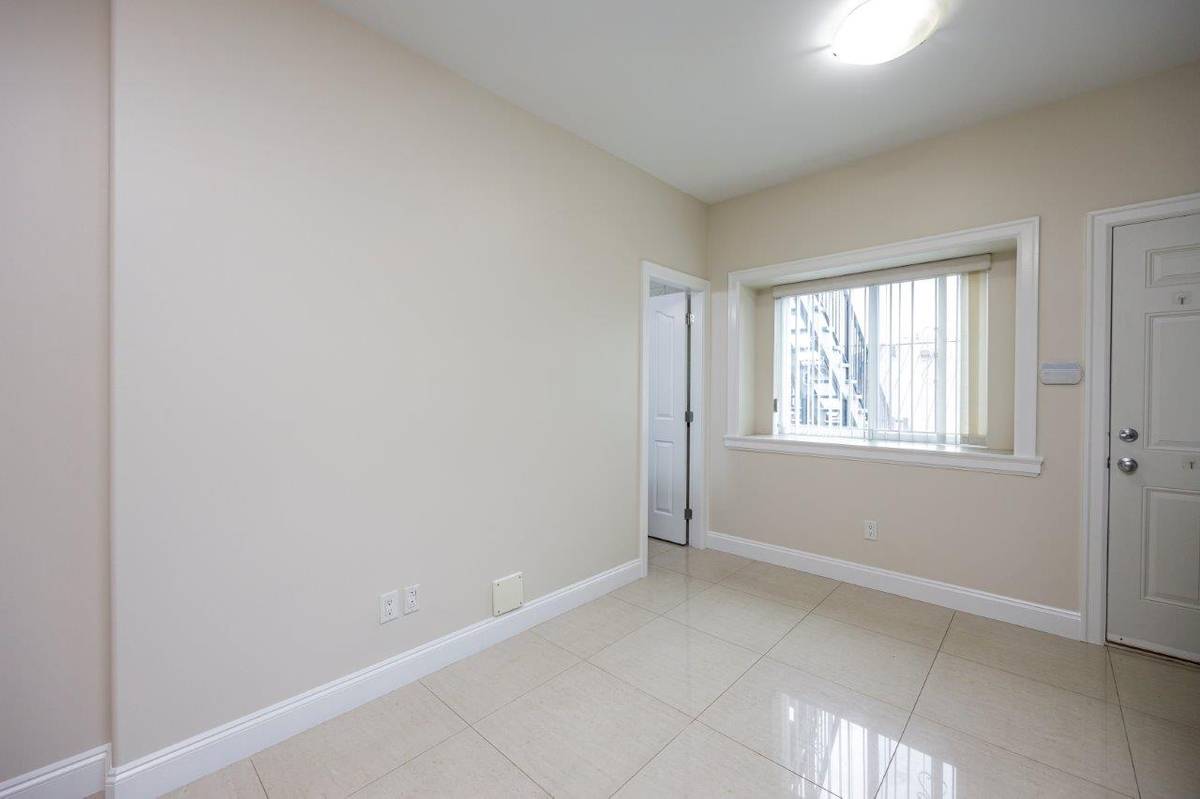
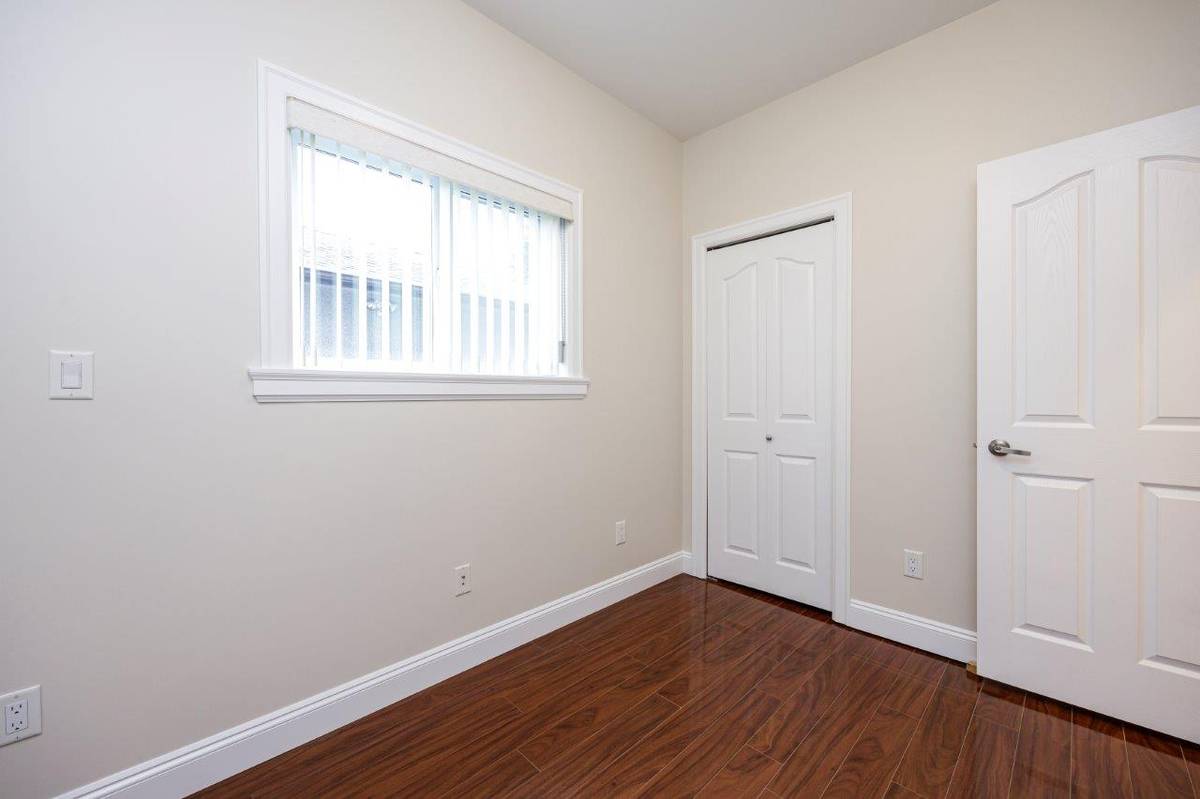
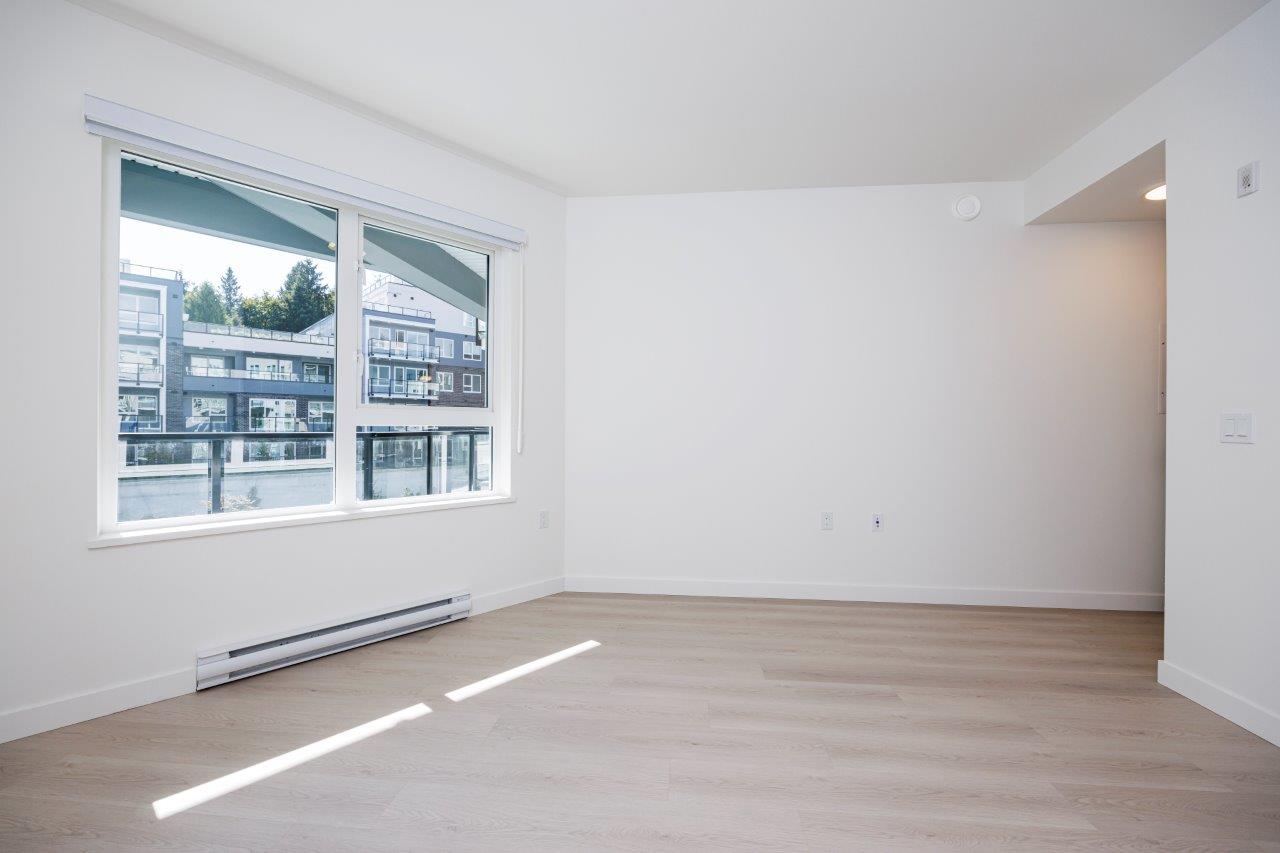
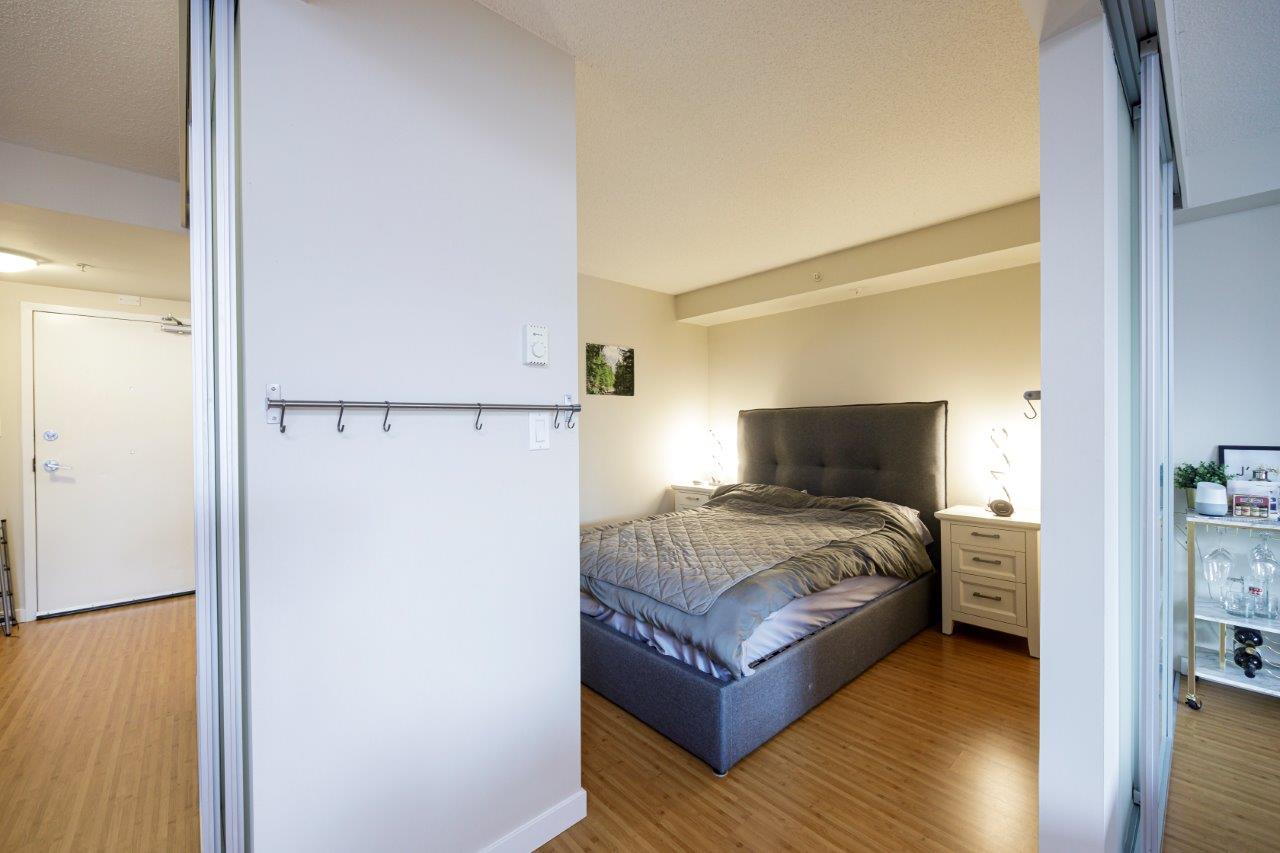
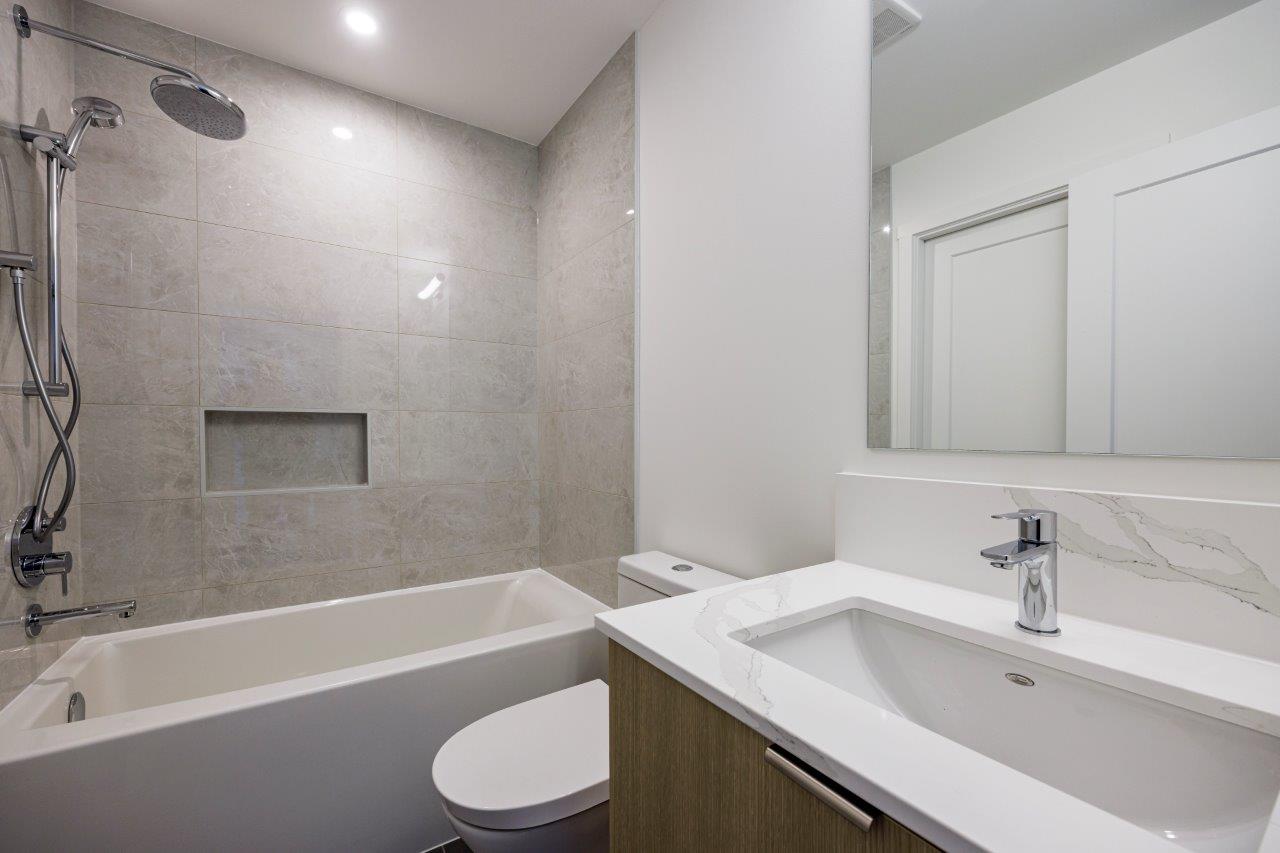
The tenant moves out, repairs are needed, and the landlord expects the deposit to cover them. Then the Residential Tenancy Branch (RTB) asks what the property looked like before move-in. Without that paperwork, even an obvious repair can become a difficult claim. For landlords who have lost a dispute, the lesson starts before move-in.
Why a Move-In Inspection Report Matters When a Tenant Disputes Damage Charges
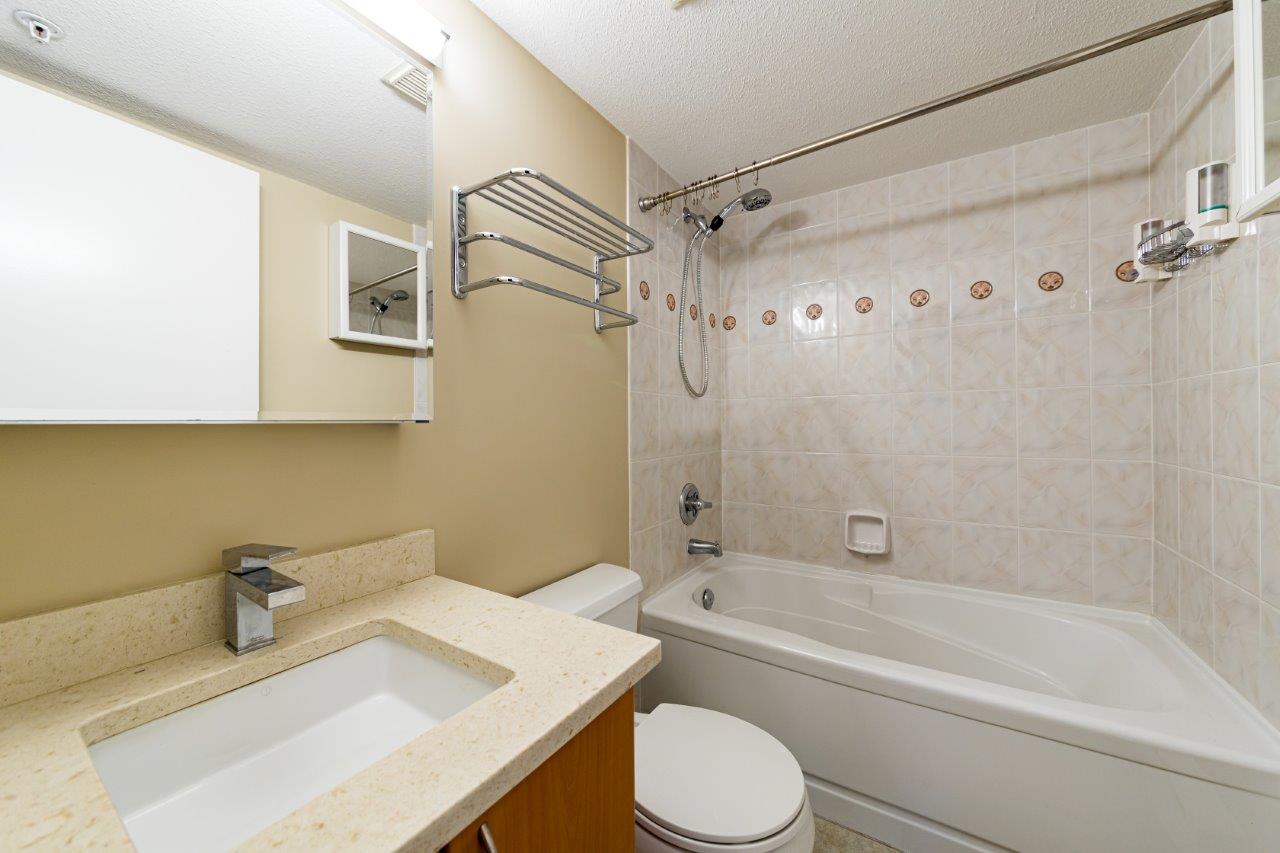
Imagine a tenant disputes a charge for a broken bathroom vanity. The landlord has a photograph of the damage after move-out, but nothing showing the vanity before the tenancy began. That missing starting point matters. The decision-maker needs evidence that the damage occurred during the tenancy and that the tenant caused it. An expensive invoice cannot establish what was there before.
A proper condition report supplies that starting point. It records what both parties saw when possession began, including the condition of fixtures, walls, floors, and appliances. When paired with the move-out record, it lets the landlord explain what changed without relying on memory. Years later, neither side may remember an old chip or scratch. Contemporaneous notes are much more reliable than either person’s recollection at a hearing.
Missing Inspection Records Can Cost Landlords Their Right to Claim Against a Damage Deposit
In British Columbia, skipping the required inspection involves more than losing useful evidence. Under the Residential Tenancy Act, a landlord can lose the right to claim against a security or pet damage deposit for property damage if they fail to meet their move-in inspection duties. These duties cover scheduling, participation, recording, and providing a copy. Genuine damage does not override those rules.
Losing the right to use the deposit for damage does not necessarily prevent a separate monetary claim against the tenant. That claim still needs evidence of responsibility and loss. Meanwhile, the deposit has its own return and dispute deadlines. Keeping the money without written tenant consent or the proper RTB process can create another problem, including possible liability for double the deposit. Records protect those options.
Documenting Existing Damage Before a New Tenant Moves In
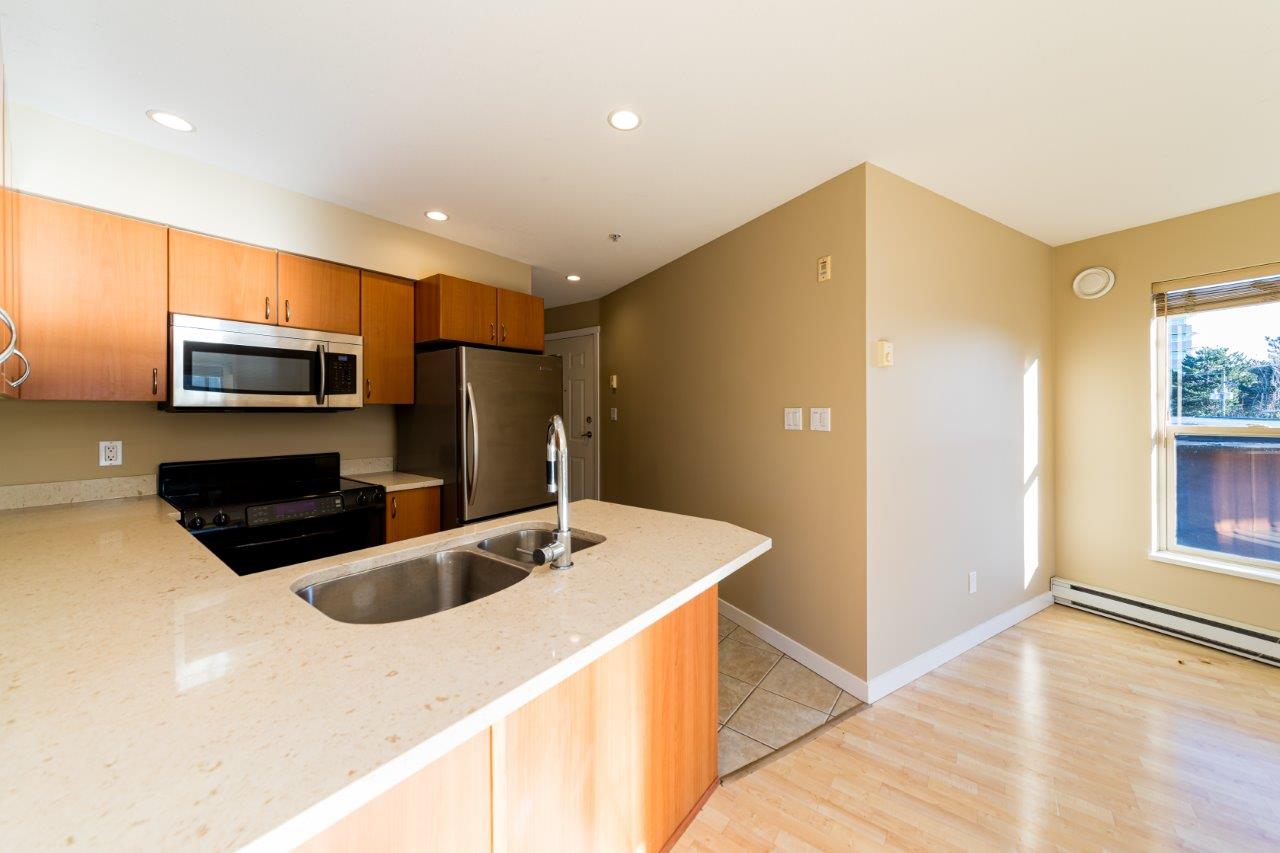
Record existing defects, not just the freshly cleaned rooms. A loose cupboard hinge, chipped bathroom tile, discoloured countertop, or stiff window latch belongs in the written notes. Small details become important when the same area shows damage later. A clear record prevents an owner from mistakenly charging the next tenant for an older problem.
The best time to walk through the property is when it is empty and possession begins, or on another agreed day. Open cupboards, test fixtures, check flooring near doors, and note anything awaiting repair. Use room-specific descriptions rather than writing “good condition” across every line. If a repair is promised, record what needs doing and follow up. Record the home as it was.
Photos and Written Records Help Prove When Property Damage Occurred
Photographs strengthen a written report when they clearly show the room and the defect. Start with a wide view that identifies the location, then take a close-up of the mark, crack, or broken fitting. Keep dated originals and label each image clearly. An unidentified stain photo is less helpful.
At move-out, repeat the same angles where possible. Compare the pictures with the earlier notes and record changes during the required final walkthrough. Keep repair invoices, estimates, and tenant communications. A photograph can support what happened, but it cannot prove every repair cost or cause. The strongest evidence connects the original condition, the later change, and the actual financial loss.
Understanding the Difference Between Normal Wear and Tear and Tenant-Caused Damage
Not every tired-looking surface gives a landlord grounds to deduct money. BC tenants are not responsible for reasonable wear and tear from ordinary use. Faded paint, minor floor scuffs, and worn carpet may fall into that category. A smashed cupboard door or a deep burn in flooring may be different, depending on the circumstances. The distinction is ordinary aging versus actions or neglect.
Age affects the amount recoverable, too. Replacing an old carpet with brand-new flooring does not automatically entitle an owner to the entire installation bill. The RTB considers the useful life of building materials when assessing compensation. Keep renovation dates and repair records too. That separates losses from overdue upgrades. A repair estimate should identify what actually needs replacing, not bundle unrelated improvements into the tenant’s bill. Even proven damage may justify only partial replacement costs.
Incomplete or Unsigned Inspection Reports Can Complicate RTB Disputes
A form with blank rooms, vague comments, or no record of disagreements leaves room for arguments later. Both landlord and tenant are generally expected to inspect and sign the report. Signing does not mean a tenant must agree with every description; the form allows them to note differences. Without that step, hearings can become arguments over old damage.
If a tenant cannot attend, the landlord must follow the proper scheduling process rather than simply completing an inspection alone. After an unsuccessful first offer, the second opportunity must follow the prescribed notice requirements. Where the tenant misses both properly offered opportunities, the law provides for an inspection without them. Keep scheduling notices and delivery evidence. An unsigned document needs context, not an invented signature.
Following BC’s Move-In Inspection Requirements to Protect Future Damage Deposit Claims
BC requires the inspection at the start of the tenancy on the day the tenant is entitled to possession, unless both sides agree to another day. The landlord must offer at least two opportunities where required, complete the condition report, and provide the signed move-in copy within seven days of the inspection. At the end of the tenancy, another inspection is required. The move-out copy is due within 15 days after the later of that inspection or receipt of the tenant’s written forwarding address.
Deposit and inspection deadlines differ. Generally, within 15 days after the later of the tenancy ending or receiving the tenant’s forwarding address in writing, the landlord must return the deposit with applicable interest or apply to the RTB to claim against it, subject to legal exceptions. Calendar deadlines and keep delivery proof. A good claim can unravel over one overlooked deadline.
Protect Your Next Rental Deposit Claim With Careful Inspections From Pacific West Property Management
Losing a dispute over paperwork stings when repairs are needed. The next tenancy is an opportunity to change that. Consistent inspections, accurate records, and timely follow-through help landlords avoid repeating an expensive mistake. They also make expectations clearer for tenants and can prevent disputes. A property owner should not have to piece together an inspection history only after receiving an RTB hearing notice.
Pacific West Property Management helps Vancouver-area rental owners handle move-in, move-out, and regular property inspections as part of its residential management services. Our team also handles tenant placement, rent collection, and maintenance. If a past dispute exposed gaps in your process, put stronger procedures in place before the next set of keys changes hands. Contact us at Pacific West Property Management to discuss professional care for your rental property.
Managing one condo and managing a small apartment building may look similar on paper. Both involve tenants, rent, repairs, and leases. The difference is that problems multiply faster in a multi-unit property. One maintenance issue can affect several residents, one weak process can create confusion across the building, and small oversights become much more expensive when they repeat from unit to unit.
Shared Systems Create More Maintenance Coordination
A single condo usually has fewer building systems under the landlord’s direct control. In a multi-unit property, owners may be responsible for shared plumbing lines, heating equipment, electrical panels, laundry areas, exterior lighting, entrances, and other systems used by several households. When something fails, figuring out who is affected becomes part of the job.
That changes how maintenance should be scheduled. A plumber working on one stack may need access to two or three suites. A heating repair could affect the whole building. Good management means coordinating contractors, giving proper notice, keeping residents informed, and making sure one repair does not create a second problem somewhere else.
Tenant Turnover Has a Bigger Effect Across Multiple Units
One vacancy in a single rental means the entire property stops producing rent. In a small building, income continues from the other suites, but frequent turnover can still eat into cash flow quickly. Cleaning, repairs, advertising, showings, screening, and move-in work all cost money and take time.
Turnover also affects the rest of the building. Contractors may be coming and going, shared hallways get busier, and existing tenants may have questions about new neighbours. Owners need a repeatable turnover process instead of handling every vacancy differently. The smoother that process becomes, the easier it is to keep units occupied without disrupting everyone else.
A landlord with one tenant can sometimes get away with informal rent collection. That becomes risky once several households are involved. Different due dates, payment methods, late-payment arrangements, and recordkeeping habits can create confusion very quickly.
Multi-unit owners benefit from one clear system that applies across the building. Rent should be tracked the same way for every suite, with payment records kept in one place. Consistent processes make accounting easier and reduce arguments over what was paid, when it arrived, or whether a late payment was handled differently from another tenant’s.
Common Areas Add Ongoing Cleaning and Safety Duties
A single-condo landlord usually does not manage the building lobby, stairwell, exterior walkway, or garbage area. Owners of small apartment buildings often do. Those spaces require regular attention because every tenant uses them and small issues become visible fast.
Loose handrails, burned-out lights, slippery steps, overflowing garbage, or dirty entrances can turn into bigger concerns if they are ignored. Common areas also shape how residents feel about the property. When shared spaces are clean and well maintained, tenants are more likely to treat the building with care and report problems before they get worse.
Repairs Must Account for How One Unit Affects Another
In a detached rental or individual condo, many repairs stay contained inside the unit. Multi-unit buildings are different. A leaking bathtub upstairs can damage the ceiling below. A blocked drain may affect several suites. Noise, ventilation, pests, or electrical issues can cross unit boundaries.
That means troubleshooting needs a wider view. Fixing what appears to be the obvious problem in one apartment may not address the actual source. Property managers often need to inspect neighbouring units, trace shared systems, and communicate with multiple tenants before the repair is complete. Quick fixes can become expensive if the underlying issue is missed.
Lease Enforcement Needs Consistency Across All Tenants
Rules become harder to manage when several households share the same property. Parking, noise, smoking, pets, storage, garbage, and use of common areas can all become points of friction. If one tenant gets an exception and another does not, owners may create unnecessary tension.
Consistent enforcement helps avoid that problem. Tenants should understand what the rules are and how concerns will be handled. Documentation matters too. A clear record of notices, conversations, and lease issues helps owners manage problems fairly instead of relying on memory or informal agreements.
Multi-Unit Budgets Require More Detailed Cost Tracking
A single rental often has a fairly simple expense picture. Multi-unit buildings generate more moving parts. Owners may need to track utilities, maintenance, common-area cleaning, landscaping, insurance, repairs, capital improvements, and costs tied to individual suites.
The numbers also need context. A repair that looks expensive may be reasonable if it prevents damage across several units. Owners should separate recurring operating costs from larger projects and keep an eye on which systems are starting to require frequent service. Better tracking makes it easier to plan ahead instead of reacting every time something breaks.
Manage Your Small Multi-Unit Property With a Stronger System From Pacific West Property Management
Owning a duplex, triplex, fourplex, or small apartment building requires a different level of coordination than managing one condo. More tenants, shared systems, common areas, maintenance schedules, and financial records all need to work together. Pacific West Property Management can help owners put consistent processes in place so day-to-day issues do not turn into constant interruptions.
If you are moving from a single rental into a larger property, or your current building is taking more time to manage than expected, professional support can make the workload easier to control. Contact us at Pacific West Property Management to discuss your property, current challenges, and a management approach built for multi-unit ownership.
Frequently Asked Questions:
Can Pacific West Property Management Manage Small Multi-Unit Buildings?
Yes. Pacific West Property Management can help owners of duplexes, triplexes, fourplexes, and other small multi-unit properties manage tenant communication, maintenance coordination, rent collection, and day-to-day building needs.
What Services Does Pacific West Property Management Provide for Landlords?
Services can include tenant management, rent collection, maintenance coordination, lease administration, property oversight, and support with ongoing operational issues. The exact approach can be tailored to the size and needs of the property.
Can Pacific West Property Management Coordinate Repairs Across Multiple Units?
Yes. When plumbing, electrical, heating, or other shared systems affect more than one suite, Pacific West Property Management can help coordinate access, contractor scheduling, and tenant communication so repairs are handled with less disruption.
How Can Pacific West Property Management Help With Tenant Turnover?
Pacific West Property Management can help organize the turnover process, including communication, inspections, maintenance, cleaning, and preparation for the next tenant. A consistent process can reduce delays between occupancies and keep the building running smoothly.
Is Pacific West Property Management a Good Fit for Owners Moving Beyond a Single Rental?
It can be especially helpful for owners who are used to managing one condo or rental and now have several units to oversee. Multi-unit properties involve more coordination, recordkeeping, shared systems, and tenant communication, so professional management can make the workload easier to control.
Finding a good rental in Vancouver can move fast. A listing goes up, viewings fill, and several qualified people may apply within a day or two. You do not need a flashy renter résumé to compete. What helps most is a complete, honest application that is easy to verify and easy for a property manager to work with.
Complete Application With No Blank or Missing Sections
A half-finished form slows everything down. Missing dates, unanswered questions, incomplete addresses, or a reference with no phone number can push an otherwise solid application to the side while the property manager follows up. Before you send anything, read through the whole form once more and make sure every section that applies to you has an answer.
If something genuinely does not apply, say so instead of leaving a mystery blank. The point is not to make your application look perfect. It is to make it clear. Property managers often review several applications at once, so a file that can be understood without a chain of emails is simply easier to assess.
Clear Photo ID Ready Before You Book a Viewing
Have valid government-issued photo identification available when you start your search, but protect it like the sensitive document it is. B.C. privacy guidance says a landlord may reasonably view identification to confirm who an applicant is, but generally should not copy or retain the document. You do not need to send scans of your driver’s license or passport with every rental inquiry.
Think of ID as something to have ready for the proper stage of screening, not a way to impress someone before you have even seen the home. Ask how personal information will be handled if you are unsure. Being prepared and being careful can happen at the same time, and a professional rental process should respect both.
Proof of Income That Matches the Rent You Are Applying For
Property managers want to understand whether the monthly payment is realistic for the household applying. Make that part easy to follow. If you are employed, self-employed, studying, receiving a pension, or using another reliable source of income, gather documents that explain the situation clearly instead of sending a pile of unrelated paperwork.
Do not try to make the numbers look stronger by leaving out important details. A straightforward explanation works better than a confusing file. If two people will share the rent, show how the household income comes together. If your work recently changed, add a short note so the documents make sense instead of leaving someone to guess what happened.
Recent Pay Stubs or an Employment Letter Ready to Send
Current documents are more useful than old ones. A pay stub from months ago may not say much about what you earn today, especially if your hours, employer, or position have changed. Keep recent records organized in one folder so you are not searching through old emails after a viewing when you decide you want the unit.
An employment letter can explain details a pay stub may not show, such as your role, start date, or employment status. Self-employed applicants may need different records depending on the screening process. The aim is not to send every financial document you own. Provide what is reasonably requested, protect sensitive information, and make sure everything tells a consistent story.
Strong Landlord References With Current Contact Details
A great reference is not much help if the phone number no longer works or the person has no idea anyone will be calling. Speak with former landlords before listing them. Check that their email and phone number are current, then let them know you are searching for a new home so an unexpected call does not get ignored.
Choose references who can actually speak about your time as a tenant. Someone who knows whether payments were reliable, how you treated the property, and how you handled communication can provide useful information. Do not ask a friend to pretend to be a former landlord. A straightforward reference that checks out carries more weight than an impressive story that falls apart after one phone call.
Honest Notes About Pets, Occupants, and Move-In Timing
Trying to hide a pet or an extra occupant is a rough way to begin a tenancy. If a listing has pet conditions, occupancy limits, or a firm availability date, be clear about what you need. You may lose a unit that was never the right fit, but you also avoid spending days chasing an application that could not have worked from the start.
Move-in timing matters more than many renters expect. If a home is available on the first and you cannot start the tenancy until six weeks later, mention that early. The same goes for parking, storage, roommates, or other needs that affect the property. Specific answers help the manager see whether the home actually fits your situation rather than trying to fill in the blanks.
Funds Ready for the Deposit If Your Application Is Approved
Financially prepared does not mean paying someone simply to look at your application. B.C. landlords cannot charge fees for accepting, reviewing, or processing a rental application. A security deposit is also limited to half of one month’s rent and is connected with entering into the tenancy agreement.
Once you have been properly approved and are ready to enter the tenancy, however, scrambling to find the deposit can create an unnecessary delay. Know where the money will come from and how you can transfer it securely. Verify who you are paying, read the agreement, and keep proof of the transaction. Being ready is smart; sending money before you have verified the rental is not.
Fast, Polite Replies When the Property Manager Follows Up
You do not need to answer every message within sixty seconds, but disappearing for two days can make a fast-moving application harder to process. Check your email, voicemail, and spam folder while you are actively searching. If someone asks for one missing detail, answer that question directly instead of sending another long introduction or resubmitting everything.
Tone matters as well. Looking for housing can be stressful, especially when several people want the same unit, but clear and respectful communication saves time on both sides. If you need a few hours to find a document, say so. If you have changed your mind about the property, let the manager know. Simple communication makes the whole process easier.
Make Your Next Vancouver Rental Search Easier With Pacific West Property Management
A strong application is not about trying to look richer, quieter, or more impressive than every other renter. It is about removing avoidable uncertainty. Complete information, current documents, honest answers, reachable references, and clear communication allow a property manager to understand your situation without chasing basic details. When several qualified people are interested in the same home, being organized can keep preventable mistakes from getting in your way.
At Pacific West Property Management, our rental management services are free for tenants. Standard third-party background check fees may still apply during screening, depending on the application. Instead of sorting through listings and navigating every step on your own, you can work with our team to find options that fit your needs and move through the process with fewer surprises. Contact us to start your rental search and make your next application a simpler one.
For years, an investment condo could work as a weekend rental, vacation stay, or full-time Airbnb. That model has changed for many B.C. owners. In communities covered by the provincial principal residence requirement, short-term rentals generally must operate from the host’s principal residence, with limited exceptions. For owners who bought a separate condo strictly as an investment, long-term renting has become one of the clearest ways to keep the property producing income.
Why the Principal Residence Rule Changes the Math for Condo Owners
The biggest change is simple: owning a condo does not automatically mean you can use it as a short-term rental. Where the provincial rule applies, the property generally needs to be the host’s principal residence or an eligible secondary suite or accessory dwelling on the same property. That creates an obvious problem for someone who lives elsewhere and bought a condo specifically for Airbnb income.
For those owners, the investment calculation has changed. Nightly rates and seasonal booking projections matter much less if the unit no longer qualifies for that use. The condo still has carrying costs such as mortgage payments, strata fees, insurance, taxes, and maintenance. Moving toward a residential tenancy allows the owner to rethink the property around monthly rent rather than leaving a valuable unit sitting empty.
How Short-Term Rental Limits Are Steering Owners Toward Long-Term Tenants
B.C.’s rules do not cover every property in exactly the same way. Some communities and accommodation types are exempt, and municipalities can have their own stricter bylaws. Still, the principal residence requirement now applies in many major communities, including Vancouver, Burnaby, Richmond, Coquitlam, Surrey, and other populated areas where investment condos are common.
For an owner whose condo does fall under the restrictions, a long-term tenant can offer a more straightforward use of the unit. Instead of managing bookings, vacancies, guest turnover, and changing nightly prices, the owner works with a tenancy built around regular monthly rent. It is a different business model, but it can keep the condo functioning as an income property.
Why Former Airbnb Condos Are Entering the Long-Term Rental Market
Many former vacation rentals are already set up in ways that can appeal to residential tenants. They may have modern kitchens, in-suite laundry, updated flooring, balconies, parking, or convenient locations near transit and employment centres. Features once promoted to weekend guests can be just as useful to someone looking for a home.
The transition still takes some thought. An Airbnb stocked for three-night stays may contain furniture, dishes, linens, décor, and supplies that a long-term renter does not need. Owners have to decide whether to offer the unit furnished or unfurnished, remove personal items, check strata requirements, and prepare it for a tenant who may stay for a year or longer.
How Long-Term Renting Offers a More Stable Path for Investment Condos
Short-term income can move sharply from month to month. Busy tourism periods may bring strong bookings, while slower seasons leave gaps on the calendar. Owners also deal with cleaning between guests, platform fees, frequent communication, and the constant need to keep the listing competitive.
A longer tenancy changes that rhythm. Rent is normally set on a monthly basis, giving the owner a clearer picture of incoming revenue over the lease period. That does not remove every financial risk, and it does not guarantee the same gross income an Airbnb once produced. What it can provide is fewer turnovers and a more predictable operating schedule.
Why Compliance Has Become Harder for Non-Primary Residence Rentals
Running a short-term rental now involves more than posting a listing online. B.C. hosts must register provincially, follow the principal residence requirement where it applies, comply with local short-term rental bylaws, and display required registration and business licence information when applicable.
That matters for investors who live somewhere other than the condo they rent out. Proof of principal residence may be required during registration in affected areas, so an investment unit cannot simply be treated as a primary home for convenience. Owners should check the provincial rules, local bylaws, strata restrictions, and any applicable exemptions before deciding what type of tenancy is lawful for their property.
How Longer Leases Can Replace Lost Short-Term Rental Income
Switching to long-term renting does not mean trying to copy the exact revenue pattern of Airbnb. The numbers work differently. Instead of chasing a high nightly rate and hoping for strong occupancy, owners can price the condo for the residential rental market and evaluate income against predictable property expenses.
A good tenant can also reduce the constant turnover that comes with guest stays. There are fewer check-ins, cleaning cycles, booking gaps, and last-minute cancellations to manage. For former hosts tired of monitoring calendars and messages every week, having one qualified renter for a longer period can make the investment far easier to oversee.
Why Property Management Makes the Shift to Long-Term Renting Easier
Becoming a landlord brings a different set of responsibilities. Owners need to market the unit, respond to inquiries, screen applicants, prepare tenancy documents, coordinate move-in, handle maintenance, communicate with the tenant, and follow B.C.’s residential tenancy rules. Someone experienced only with vacation bookings may find that change larger than expected.
Professional management can take much of that work off the owner’s plate. It can also help position a former short-term rental for the residential market rather than simply reposting the same unit with a monthly price. Pacific West Property Management advertises long-term rentals and uses applicant checks that include employment or income verification, credit checks, and references for its listed properties.
Pacific West Property Management Can Help Turn a Former Airbnb Condo Into a More Manageable Long-Term Investment
Losing the ability to operate a condo as a short-term rental does not necessarily mean losing its value as an investment property. It may simply require a different plan. Pricing the unit properly, preparing it for residential use, finding a qualified tenant, and managing the tenancy well can turn an uncertain transition into a more stable arrangement.
Pacific West Property Management works with property owners and long-term tenants across Vancouver and several surrounding communities. For former Airbnb hosts, having someone handle the day-to-day rental process can make the move into traditional leasing far less complicated. If B.C.’s short-term rental rules have changed what you can do with your investment condo, contact us at Pacific West Property Management to discuss your options.
Frequently Asked Questions
Can Pacific West Property Management help turn a former Airbnb into a long-term rental?
Yes. Pacific West Property Management can help owners prepare an investment condo for the long-term rental market, including marketing the property, screening applicants, and managing the tenancy once a renter moves in.
Does Pacific West Property Management screen prospective tenants?
Yes. Tenant screening can include checks such as employment or income verification, credit history, and references. This helps owners make a more informed decision before approving an applicant.
Can Pacific West Property Management handle the day-to-day work of a long-term tenancy?
Yes. Property management can cover many of the ongoing responsibilities that come with long-term renting, including tenant communication, maintenance coordination, rent-related administration, and other routine management tasks.
When should a former short-term rental owner contact Pacific West Property Management?
It makes sense to reach out when an investment condo can no longer operate the way it did as a short-term rental or when the owner wants a more hands-off approach to long-term leasing. Pacific West Property Management can help explain the next steps and prepare the unit for the residential rental market.
A bad tenant can cost far more than one missed rent payment. Repairs, complaints, legal headaches, and weeks of lost income can follow long after the lease ends. For Vancouver landlords, careful screening is not about being overly cautious. It is about choosing someone who is financially prepared, respectful of the property, and more likely to stay.
Reliable income is one of the clearest signs that a renter can handle the monthly cost of a home. Before approving an application, review recent pay stubs, employment details, or other dependable proof of earnings. A high salary alone should not close the deal. Look for consistency, especially when the applicant has recently changed jobs, works seasonally, or relies on several income sources.
It also helps to consider how comfortably the rent fits within the applicant’s overall finances. Someone may technically earn enough but still carry heavy monthly obligations that make payments difficult. Checking income carefully gives landlords a more realistic picture before keys change hands. That extra attention can prevent late payments, rushed move-outs, and another expensive search for a replacement tenant.
Check Credit History for Signs of Payment Risk
A credit report can reveal patterns that an application will not show. Repeated late payments, accounts in collections, or unusually high debt may point to financial pressure. One imperfect mark does not automatically make someone a poor renter, but several problems together deserve a closer look. The goal is to understand how the applicant manages ongoing commitments.
Context matters, too. A person recovering from an old financial setback may now have a strong payment record and stable employment. Someone with an excellent score might still be stretching their budget too far. Use credit history as one part of the bigger picture rather than treating a single number as the final answer. Good screening looks for patterns, not shortcuts.
Past rental behaviour can tell you how an applicant may treat your property. Ask where they lived, how long they stayed, and why they left. Frequent moves without a clear explanation can sometimes signal instability, while a long record of responsible tenancies may offer reassurance. Pay attention to gaps or addresses that do not line up with the timeline provided.
Previous landlords may also reveal issues that never appear on a credit report. Chronic late rent, damaged units, repeated complaints, or leaving without proper notice can all create costly problems later. A renter who has caused the same trouble at several properties may do it again. Looking at the full rental history helps you spot patterns before they become your problem.
Confirm References Instead of Taking Applications at Face Value
Applications are designed to present applicants in the best possible light, so every important detail deserves verification. Call employers when appropriate and speak with previous landlords rather than relying on names and numbers written on the form. A short conversation can confirm whether the information is accurate and whether the applicant has been straightforward from the beginning.
Ask specific questions instead of accepting vague praise. Find out whether rent arrived on time, whether the unit was cared for, and whether proper notice was given before moving. Listen for hesitation or answers that sound unusually rehearsed. Taking a few extra minutes to confirm references can uncover inconsistencies that might otherwise lead to months of frustration.
Screen for Lease Violations That Could Lead to Turnover
Not every costly tenancy starts with missed rent. Repeated lease violations can create just as much trouble. Unauthorized occupants, unapproved pets, excessive noise, or misuse of the property may lead to complaints, damage, or an early end to the tenancy. These problems can also strain relationships with neighbours and other residents in the building.
Past behaviour can offer useful clues. Ask previous landlords whether the applicant followed building rules and respected the terms of the agreement. Clear conversations before move-in also help set expectations from day one. When renters understand the rules and have a history of following them, landlords face fewer surprises and are less likely to restart the leasing process sooner than expected.
Use Consistent Criteria to Reduce Screening Errors
It is easy to make a rushed decision when a unit has been sitting empty and carrying costs keep adding up. That pressure can tempt landlords to approve the first applicant who seems friendly or financially qualified. A consistent screening process keeps emotion from taking over and makes it easier to compare applicants using the same practical standards.
Create a repeatable checklist for income, credit, rental history, references, and other relevant factors. Follow the same process each time rather than changing the rules depending on the person. Consistency reduces overlooked details and helps landlords make decisions based on useful information instead of gut feeling. It also makes the process easier to manage when several applications arrive at once.
Lower Vacancy Risk by Choosing Stable, Qualified Tenants
The fastest way to fill a unit is not always the best way to protect rental income. Approving the wrong person quickly can create a much longer vacancy later if the tenancy breaks down. Stable renters who can comfortably afford the home, communicate well, and respect the agreement are more likely to stay and make ownership easier.
A strong tenant can also reduce the hidden costs of turnover. Every move-out can bring advertising expenses, cleaning, repairs, showings, paperwork, and lost rent between occupants. Choosing carefully at the beginning gives landlords a better chance of avoiding that cycle. A few extra checks before approval can save weeks of work and thousands of dollars later.
Protect Your Rental Investment With Smarter Tenant Screening From Pacific West Property Management
If you have already dealt with a tenant who stopped paying, damaged the property, or disappeared with little notice, you know how quickly one poor decision can become an expensive problem. Pacific West Property Management helps Vancouver landlords take a more careful approach by handling the details that are easy to miss when you are managing applications on your own.
The right renter can bring steady income, fewer headaches, and greater confidence in your property. Instead of rushing through applications or relying on first impressions, work with a team that understands how much is riding on the decision. Pacific West Property Management can help you protect your investment and reduce avoidable turnover. Contact us to get started.
Owning a rental can look fairly passive from the outside. Collect rent, answer the occasional message, arrange a repair, repeat. In practice, dozens of small responsibilities sit behind a well-run tenancy. For landlords managing everything themselves, those tasks often become obvious only after something goes wrong.
Why Self-Managing a Rental Takes More Time Than Most Landlords Expect
The workload rarely arrives on a neat schedule. A tenant may report a leaking appliance during dinner, a contractor might cancel before an inspection, or a showing could fall in the middle of your workday. Each request seems small until several happen in the same week.
There is also the invisible administration: tracking payments, saving correspondence, organizing invoices, scheduling maintenance, reviewing applications, and keeping records current. Add more than one rental and those short tasks begin competing with evenings, weekends, family time, and the job that actually pays your bills.
Tenant Screening Mistakes That Can Create Bigger Problems Later
A friendly conversation is not enough to judge whether someone is a suitable renter. Screening requires a consistent process for reviewing applications, confirming information, checking references, and assessing applicants fairly without turning the decision into a rushed gut feeling.
Pressure makes shortcuts tempting, especially when a unit is sitting vacant. Filling it quickly may feel like the priority, but a poor match can lead to payment issues, conflicts, damage, or early turnover. Careful selection at the beginning can prevent months of unnecessary stress later.
The Maintenance Coordination Landlords Often Underestimate
Getting a repair request is the easy part. Someone still needs to determine how urgent it is, find the right contractor, arrange access, communicate with the tenant, approve costs, follow up on the work, and keep the invoice. One broken dishwasher can create several separate tasks.
Emergency problems add another layer. Water leaks, heating failures, and electrical concerns do not care whether the owner is travelling or busy at work. Professional management creates a reliable point of contact and established maintenance process instead of forcing every issue through one landlord’s personal phone.
How Rent Collection and Late Payments Become Ongoing Management Issues
Rent collection feels automatic when everyone pays on time. Once a payment is missing, however, the owner has to notice quickly, communicate clearly, document what happened, and follow the correct process rather than handling the situation emotionally.
Consistency matters here. Making informal exceptions without recording them can create confusion about what was agreed upon. A structured system gives both sides clear expectations around due dates, payment records, follow-ups, and next steps when an account falls behind.
The Legal and Documentation Risks of Handling Everything Yourself
Rental management involves more paperwork than many first-time landlords expect. In British Columbia, tenancy agreements have specific requirements, while matters such as rent increases and certain notices must follow prescribed rules and timelines. A casual text message does not replace proper documentation.
Records become especially important when a disagreement develops. Agreements, inspection reports, notices, payment histories, maintenance records, and proof of communication can all matter. Keeping everything organized from day one is far easier than trying to reconstruct six months of decisions after a dispute begins.
Why Tenant Communication Can Quickly Turn Into a Full-Time Responsibility
Tenants rarely contact an owner only once during an entire lease. Questions come up about repairs, access, parking, neighbours, payments, appliances, move-ins, and renewals. None may be difficult alone, but constant interruptions can make ownership feel much less passive.
Good communication also requires boundaries. Respond too slowly and frustration grows; respond impulsively and a simple issue can become personal. Having one professional contact creates distance between the investment and everyday conversations while giving renters a consistent place to take legitimate concerns.
When Hiring a Property Manager Becomes Less Costly Than Managing Alone
Management fees are easy to see because they appear as a clear expense. The hidden costs of doing everything yourself are harder to measure: vacant days, missed work, rushed contractor choices, administrative mistakes, repeated trips to the property, and hours spent solving problems after business hours.
The calculation changes when ownership begins taking more time than expected. Pacific West Property Management handles services including tenant screening, leasing, rent collection, maintenance coordination, inspections, legal compliance, and day-to-day tenant communication for Vancouver-area property owners.
Take the Daily Pressure Out of Rental Ownership With Pacific West Property Management
A rental should work as an investment without requiring you to become an on-call administrator, maintenance coordinator, payment collector, and tenancy-rule expert all at once. Pacific West Property Management helps Vancouver landlords manage the details behind successful tenancies while keeping owners informed about their properties.
If self-management has started taking over your evenings, creating uncertainty, or making every tenant message feel urgent, it may be time to put a professional system between you and the daily workload. Protect your time while giving your rental consistent oversight. Contact us at Pacific West Property Management to get started.
FAQs:
What Does Pacific West Property Management Handle for Landlords?
Pacific West Property Management handles many of the day-to-day responsibilities that can make self-managing a rental demanding. Services include marketing vacancies, screening tenants, collecting rent, coordinating repairs, conducting inspections, preparing documentation, and communicating with tenants throughout the tenancy.
How Does Pacific West Property Management Screen Potential Tenants?
We use a detailed screening process rather than relying on an application alone. Depending on the property, this can include credit checks, employment and income verification, rental history, and references from previous landlords to help identify reliable applicants.
Does Pacific West Property Management Handle Maintenance and Emergency Repairs?
Yes. Pacific West Property Management coordinates routine repairs, maintenance requests, and urgent issues with contractors and service providers. This means landlords do not have to personally arrange every service call or respond whenever an unexpected property problem occurs.
4. Can Pacific West Property Management Help With Rent Collection and Late Payments?
Yes. We manage rent collection and follows up when payments are late. We also provide owners with financial records and reporting, helping landlords maintain clearer documentation without personally chasing payments or tracking every transaction.
5. Is Pacific West Property Management Suitable for Landlords With Just One Rental?
Yes. Professional management can still be useful for owners with a single condo, house, or other rental property, particularly when they have limited time or do not want to handle tenant communication, maintenance, paperwork, and rental regulations themselves. Pacific West Property Management works with individual homeowners as well as owners managing larger rental investments.
An unused condo in Vancouver can cost far more than monthly strata fees and basic upkeep. If the property does not meet the City’s occupancy rules, the vacancy charge can create a serious financial hit. For owners with a second home, an investment unit, or a condo sitting between plans, renting it out can replace that risk with income while keeping the property occupied and cared for.
Secure a Qualifying Tenant for at Least Six Months
For a rental to keep a unit outside the vacancy charge under the usual tenancy route, it must be rented for residential purposes for at least six months of the reference year. The City specifies an arm’s-length tenant, so owners should treat the arrangement as a genuine tenancy with clear terms rather than relying on a casual occupancy setup that may be difficult to prove later.
That six-month mark can change the economics of owning a condo you rarely use. Instead of paying strata fees, insurance, maintenance, and other expenses while the unit sits dark, an owner can earn rent and keep the home actively occupied. Starting the tenant search early also gives you more room to screen carefully rather than accepting a poor fit because the calendar is running out.
Use 30-Day Minimum Rental Periods to Meet EHT Rules
A detail many owners miss is that qualifying occupancy does not necessarily require one uninterrupted six-month lease. Vancouver allows rental periods of at least 30 consecutive days to add together until they reach six months during the year. That flexibility can help owners who need the condo at certain times or who have a gap between longer tenancies.
The minimum period matters. Weekend stays and a collection of brief bookings do not satisfy the same requirement simply because the nights eventually add up. Furnished rentals, temporary work placements, and medium-term tenancies may provide more flexibility, but the schedule needs to be planned carefully. Every qualifying period should meet the required length, and total rental time still needs to reach the annual threshold.
Keep Signed Leases and Rent Records for City Audits
Finding a tenant is not enough if you cannot document the tenancy. The City may audit a property status declaration and ask for evidence. Accepted examples can include tenancy agreements, bank statements showing recurring rental income, insurance documents with a rental provision, tenant occupancy information, and tax records showing rental income.
Good recordkeeping should start on move-in day, not when an audit letter arrives. Save the signed lease, renewal paperwork, payment history, move-in and move-out dates, and important correspondence in one place. Those records make it easier to support your declaration and can also help resolve disagreements over payments, dates, deposits, repairs, or other tenancy details.
Avoid a 3% Tax on Your Condo’s Assessed Value
The numbers can become painful quickly. Vancouver currently lists the Empty Homes Tax rate at 3% of the assessed taxable value for properties that are deemed, declared, or determined vacant. A condo assessed at $1 million could therefore face a $30,000 charge. The calculation is tied to assessed value, not the price you originally paid for the unit.
That amount can completely change the decision to leave a second home unused. Even an owner who is not trying to squeeze maximum profit from a rental may benefit from putting the condo to work. Rent can help offset strata fees, insurance, mortgage costs, repairs, and routine upkeep while the home stays occupied instead of becoming an expensive asset that produces nothing.
File the Required Empty Homes Tax Declaration Each Year
Having a tenant does not remove the annual filing requirement. Vancouver residential property owners must still submit a property status declaration each year. Missing the applicable deadline can result in a $250 by-law ticket, and the City can deem the property vacant and apply the tax even when the owner believes the unit should qualify based on its actual use.
Treat the declaration like any other important ownership deadline. Keep the property information and rental records easy to access, then file according to what actually happened during that reference year. Owners with more than one condo should be especially organized. A simple calendar reminder and clean records can prevent an administrative mistake from turning into a costly problem.
Reduce Vacancy Risk with Professional Tenant Placement
A long gap between tenants can put an owner in a difficult position. If one lease ends and the condo stays empty for months, reaching the required annual rental period becomes harder. Starting marketing before a known vacancy, responding to inquiries quickly, and screening applicants efficiently can protect valuable occupancy time without forcing you into a rushed last-minute decision.
Good tenant placement is about more than filling the unit fast. You want someone who can afford the rent, understands the lease, respects the property, and is likely to stay for the agreed term. Careful screening gives owners a better shot at stable occupancy and predictable income while reducing the stress and expense that often follow a poorly matched tenancy.
Use Property Management to Keep the Unit Compliant
The work does not stop when the keys are handed over. Owners still need to track payments, lease dates, renewals, notices, maintenance requests, inspections, and records that may later support the property’s declared status. When those responsibilities are scattered across emails and calendars, small details can easily get missed.
Ongoing management is especially useful for owners who live outside the city, travel frequently, own several units, or simply do not want another job added to their schedule. Consistent oversight can flag an upcoming vacancy, expiring lease, unpaid rent, or maintenance concern before it becomes a larger problem. It also creates a cleaner history of what happened at the condo throughout the year.
Protect Your Vancouver Condo From Costly Vacancy With Pacific West Property Management on Your Side
An underused condo does not have to remain an expensive line item while ownership costs continue to pile up. With a suitable tenant, a well-timed lease, organized records, and reliable oversight, your unit can generate income while reducing the financial risk that comes with leaving it vacant. Pacific West Property Management can help turn an idle property into a professionally managed rental with far less day-to-day work for the owner.
If your condo is empty now, between tenants, or likely to go unused for much of the year, acting early gives you more options. Give yourself time to find the right renter, protect the property, and build a more dependable rental plan instead of scrambling as the year runs down. Contact us to discuss tenant placement and ongoing management for your Vancouver property.
A rent increase may look like a simple calculation, but a correct percentage is only one part of the process. In British Columbia, the amount, timing, notice form, service date, and effective date all matter. One mistake can delay the increase or leave a landlord collecting more than the law allows.
Apply No More Than 2.3% to the Current Lawful Rent
For increases taking effect in 2026, the standard limit is 2.3%. Landlords must calculate that percentage from the tenant’s current lawful rent, not the local market rate, the original advertised price, or the amount a similar unit now earns. The cap sets a maximum, so an owner may choose a smaller increase.
Suppose the lawful monthly payment is $2,000. A 2.3% adjustment adds $46, bringing the new total to $2,046. Rounding up beyond the permitted amount can create an unlawful overcharge, even when the difference seems minor. Checking the calculation before serving the notice is far easier than correcting payments later.
Wait 12 Full Months After the Last Increase or Tenancy Start
A landlord cannot raise the monthly amount whenever expenses rise. At least 12 months must pass since the tenancy began or since the last increase took effect. The clock runs from the effective date of the previous adjustment, not the day the document was prepared or delivered.
This rule often causes trouble when ownership changes or records are incomplete. A new owner does not gain a fresh right to raise the payment simply because the property changed hands. Before issuing anything, review the tenancy agreement, payment history, and previous notices to confirm the earliest lawful date.
Use the Approved RTB Rent Increase Notice Form
A text message, email, letter, or note attached to a monthly statement does not replace the approved document. For a standard residential tenancy, landlords must use Form RTB-7 and complete it accurately. The notice should state the current amount, the increase, the new total, and the effective date.
Using the proper form gives both sides a clear record of what will change and when. It also helps prevent disputes caused by informal wording or missing information. Download the latest version rather than reusing an old saved copy, since government documents and instructions can change over time.
Give Three Full Months’ Notice Before the Increase Starts
British Columbia requires at least three full months of notice. This means landlords must count complete rental months, not simply add 90 days. When payment is due on the first of each month, a notice received during August would generally take effect no earlier than December 1.
The method of service can affect when the tenant is considered to have received the document. Mailing, posting, personal delivery, and other permitted methods may follow different deemed-receipt rules. Owners should allow enough time for service instead of relying on the latest possible delivery date.
Set the Effective Date Only After the Notice Period Ends
The effective date must satisfy both timing requirements: 12 months since the tenancy began or the last adjustment, and three full months after notice. Meeting one rule does not cancel the other. The lawful start date is whichever compliant date comes later.
Landlords should work backwards before completing the form. Confirm the next eligible increase date, calculate the required notice period, and account for service time. This simple sequence avoids a common mistake: choosing a preferred start date first and trying to make the rest of the paperwork fit around it.
Account Properly for Utilities and Fees Bundled Into the Rent
When the tenancy agreement sets one monthly amount that includes services such as heat, water, parking, or storage, landlords should work from the established lawful rent. They should not separate those items afterward and add another 2.3% to each one as though they were new independent charges.
Owners also cannot use the annual adjustment as a shortcut for raising a separately agreed utility or service fee. Changes to those charges follow different rules and may require the tenant’s agreement. The written contract should be reviewed carefully before altering any amount beyond the standard increase.
Fix Any Error in Amount, Timing, or Form Before Collecting
A notice with the wrong percentage, incomplete details, insufficient lead time, or an early effective date should not be ignored. Continuing to collect the incorrect amount can lead to disputes, repayment claims, and damaged tenant relations. Correcting the problem early usually costs less than defending it later.
Depending on the error, the increase may take effect on the earliest date that complies with the law, or the landlord may need to issue a corrected form. Owners should document the correction, notify the tenant clearly, and avoid treating an unlawful shortfall as unpaid rent.
Keep Every Rent Increase Accurate and Properly Documented With Pacific West Property Management
Rent adjustments form part of routine property ownership, but they still require careful administration. A valid notice depends on more than multiplying the current payment by 2.3%. Accurate records, correct service, lawful timing, and clear communication protect rental income while reducing the risk of avoidable disagreements.
Pacific West Property Management helps landlords manage tenancy records, deadlines, notices, and day-to-day communication with greater consistency. Our team can support a more organised process while keeping owners informed about their responsibilities. Contact us to discuss professional management for your British Columbia rental property.
Frequently Asked Questions:
Can I increase the rent by more than 2.3% if my expenses have gone up?
Not through the standard annual rent increase process. For increases taking effect in 2026, landlords must stay within the permitted 2.3% limit unless they have another lawful basis and follow the proper Residential Tenancy Branch process.
When does the 12-month waiting period begin?
The 12 months are counted from the start of the tenancy or the effective date of the last lawful increase, whichever applies. The date the previous notice was delivered does not restart the clock.
What happens if I give less than three full months’ notice?
The increase cannot begin on the date shown if the required notice period was not provided. The landlord may need to correct the effective date or issue a new notice before collecting the higher amount.
Can rent be increased by email or text message?
Landlords must use the approved Residential Tenancy Branch rent increase form and serve it through a permitted method. An informal message alone does not replace the required notice, even when the tenant acknowledges receiving it.
How can Pacific West Property Management help with rent increases?
Pacific West Property Management can track eligible dates, review tenancy records, prepare the proper notice, and help landlords avoid errors in timing, calculation, and documentation. This keeps the process organized and reduces the risk of a disputed or invalid increase.
Owning a premium rental property can create steady income, but managing one takes more than collecting rent and arranging repairs. Large homes, luxury estates, and multi-unit buildings bring legal duties, costly systems, demanding schedules, and tenants with high expectations. Small oversights can quickly become expensive problems, especially when an owner tries to handle every detail alone.
Balancing Complex BC Tenancy Law Across Large Multi-Unit Builds
British Columbia tenancy rules affect nearly every decision a landlord makes, from deposits and rent increases to inspections and eviction notices. The risk grows in a large building because one incorrect form or missed deadline may affect several units. Owners can also run into trouble when they apply policies differently across the property, even when the inconsistency was unintentional.
Large developments often involve added layers of responsibility, including shared amenities, parking agreements, storage areas, maintenance notices, and access to individual units. Good records matter just as much as good judgment. A skilled property management team can track documents, serve notices correctly, and keep communication consistent without turning every tenant issue into a legal guessing game.
Outsourcing High-Cost Maintenance for Expansive Yards and Roofs
A large yard can look impressive while quietly consuming time and money. Irrigation leaks, drainage problems, damaged trees, and neglected pathways often start small. Without regular inspections, owners may not notice trouble until water reaches the foundation or a falling branch damages the home. Seasonal work also requires careful timing, especially before heavy rain, wind, or freezing weather.
Roofs create another challenge because most damage remains out of sight. Previous roofing contractors may leave poor flashing, blocked drainage, mismatched materials, or rushed repairs that fail months later. Hiring qualified specialists for inspections and upkeep gives owners a clearer view of the property’s condition. It also reduces emergency costs caused by preventable leaks, rot, and interior water damage.
Eliminating Awkward Rent Collection on Premium High-Value Homes
Collecting rent can feel uncomfortable when the monthly amount is high and the tenant pays late. Personal conversations may become tense, especially when the landlord and renter have built a friendly relationship. Some homeowners delay follow-ups because they want to avoid conflict, but inconsistent collection habits can make future enforcement harder and weaken the terms of the lease.
A structured payment system removes much of that tension. Clear due dates, automatic reminders, secure payment options, and written follow-ups keep the process professional. The tenant knows what to expect, while the owner avoids repeated calls and uncomfortable negotiations. Reliable collection also makes income easier to track, which helps with budgeting, reporting, and planning major improvements.
Handing Off 24/7 Emergency Dispatch for Complex Home Systems
Luxury homes often contain systems that need specialized attention. Smart security controls, heated floors, elevators, pools, gates, boilers, and advanced ventilation units cannot always wait until regular business hours. A small malfunction may affect safety, comfort, or access to the property. Owners who manage calls themselves can spend nights trying to locate a contractor who understands the equipment.
A round-the-clock dispatch process gives tenants one clear place to report urgent problems. Trained staff can assess the situation, decide whether it needs immediate service, and contact the right technician. This approach prevents unnecessary callouts while ensuring real emergencies receive fast attention. It also creates a written record of what happened, who responded, and what repairs followed.
Filtering Reliable, High-Tier Tenants with Rigorous Screening
A polished application and strong income do not always tell the full story. High-value homes can attract applicants who look qualified but have a history of late payments, lease disputes, frequent moves, or poor care of previous properties. Rushing the decision because a home has been vacant for several weeks can lead to a costly mismatch that lasts much longer.
A strong screening process checks identity, income, rental history, references, and credit information while following privacy and human rights requirements. The goal is not to find a perfect person. It is to confirm that the applicant can meet the lease terms and treat the home responsibly. Careful screening gives both parties a more stable start and reduces avoidable disputes.
Stopping Burnout from Managing Demanding Tenants Across Large Spaces
Large homes generate more service requests because they contain more rooms, fixtures, appliances, and outdoor features. Tenants paying premium rent may also expect faster responses and detailed updates. Even reasonable requests can become exhausting when they arrive through calls, texts, and emails at all hours. Owners may soon feel as though the property controls their entire schedule.
Clear communication systems protect the owner’s time without lowering service quality. Tenants should know where to report concerns, which issues count as emergencies, and when they can expect an update. A dedicated manager can organize requests, contact trades, approve routine work, and follow each job through completion. That structure replaces constant interruption with a manageable process.
Protecting Luxury Estate Values with Proactive Upkeep Routines
Luxury properties can lose value through slow, ordinary neglect rather than one dramatic event. Worn seals, loose railings, clogged gutters, fading exterior finishes, and minor moisture problems may not seem urgent. Over time, they affect the home’s appearance, safety, and structural condition. Tenants also notice when small defects remain unresolved, which can shape how carefully they treat the property.
A proactive upkeep plan schedules inspections and service before equipment fails. It may include seasonal roof checks, landscape reviews, HVAC servicing, drainage cleaning, appliance testing, and exterior walk-throughs. Owners receive a clearer picture of upcoming costs and can plan work instead of reacting to emergencies. Regular care also supports stronger tenant retention and protects long-term market appeal.
Managing a large rental home or multi-unit property should not require constant phone calls, legal uncertainty, or rushed contractor decisions. Pacific West Property Management helps owners handle tenant communication, rent collection, screening, inspections, maintenance coordination, and urgent requests with a clear and consistent process. Each service supports the same goal: protecting the property while reducing the owner’s daily workload.
Your investment deserves attentive care, reliable records, and decisions based on experience rather than pressure. Whether you own a luxury residence, an expansive estate, or a complex rental building, the right support can make ownership far more manageable. Contact us to learn how we can help preserve your property’s value and create a better rental experience.
Waterfront views, glass high-rises, and sea planes taking off into the sunset define the daily rhythm of Coal Harbour, a stunning downtown Vancouver neighborhood hugging the Burrard Inlet. While anyone can see the luxury on the surface, the neighborhood’s rental market operates on subtle shifts that only experienced insiders notice. This targeted market update moves past standard real estate buzzwords to break down exactly how premium rental properties are performing right now.
Rental Market Overview
The local rental landscape is experiencing an unusual period of stabilization, shifting away from the frantic bidding wars of recent years. Landlords are adapting to a more balanced environment where savvy tenants carefully weigh their options before signing a lease. This shift means proper property presentation and realistic pricing strategy determine success much more than general neighborhood prestige.
Interestingly, executive corporate relocations heavily drive the upper tier of this waterfront market. While local suburban markets fluctuate, high-net-worth professionals moving for tech and engineering roles keep luxury demand steady. Owners who tailor their marketing toward these international corporate entities continue to secure reliable, premium contracts.
Average Rent by Unit Size
A typical one-bedroom layout in the neighborhood regularly commands upwards of $3,500 to $4,000 per month, especially if the floor plan features an unobstructed view of the water. What many investors overlook is the dramatic price premium placed on explicit den spaces. With remote work remaining a baseline requirement for corporate executives, a functional workspace can increase monthly yield by several hundred dollars over a basic layout.
Stepping up to larger layouts, two-bedroom and three-bedroom suites frequently push past the $6,000 to $7,500 threshold. Larger, multi-bedroom spaces face the tightest supply constraints because developers historically built smaller investment footprints. If you own a wider, family-sized footprint with professional interior updates, you hold a rare commodity that commands intense renter loyalty.
Inventory & Vacancy Rates
While the broader city vacancy rate recently eased slightly, the local luxury waterfront segment remains significantly tighter. True premium buildings with modern amenities rarely see prolonged empty spells. The low volume of available space creates a competitive environment where a property must feature significant defects to sit empty for long.
A hidden factor keeping inventory low is the rise of long-term corporate holding strategies. Many institutional and private international investors choose to keep their units occupied on multi-year corporate leases rather than cycling through the open market. This behavior creates artificial scarcity, ensuring well-maintained luxury listings face minimal direct competition at any given moment.
Most Demanded Property Types
Fully furnished executive rentals perform exceptionally well right now, easily beating standard unfurnished options in cash flow. High-end corporate tenants willingly pay a 15% to 30% premium for absolute move-in-ready convenience. Units that blend neutral luxury styling, custom work spaces, and inclusive utility packages secure immediate placement.
Beyond furnishings, buildings that provide active concierge service, advanced smart-home security, and private air conditioning attract the highest tier of renters. Tenants routinely filter out older towers lacking central cooling, regardless of the view. If your property features modern climate control and clean architectural lines, you naturally attract premium applications.
Average Days on Market
A properly priced condo generally finds a qualified tenant within 30 to 45 days in the current climate. Properties that linger beyond this window almost always suffer from one specific mistake: outdated online presentation. Today’s luxury renters expect cinematic video tours and professional photography before they ever schedule a physical viewing.
The hidden trick to speeding up placement lies in managing the strict strata move-in schedules common to high-rises. Many premium towers restrict move-in dates to specific weekdays or require weeks of advance notice for elevator bookings. Seamlessly coordinating these moving logistical steps during the listing phase prevents preventable delays and saves thousands in lost rent.
Neighborhood Growth & Upgrades
The continuous expansion of premium local amenities, luxury dining spots, and upgraded seawall infrastructure keeps the area highly desirable. Unlike alternative downtown pockets facing urban friction, this neighborhood maintains its clean, safe reputation as a peaceful residential sanctuary. This distinct community character protects local property values from broader economic downturns.
Upcoming transportation upgrades and regional transit connectivity plans nearby ensure seamless travel for busy professionals. The close proximity to major heliports and floatplane terminals serves as a massive selling point for traveling executives. As infrastructure improves, the community cements its status as the premier landing spot for global talent.
Future Rental Trends
Major international summer sports events and global corporate conferences scheduled across the city are triggering a surge in mid-term executive housing interest. Savvy landlords are structuring flexible 3-to-6-month leasing strategies to capitalize on this short-term influx of wealthy visitors. This flexible approach can yield massive financial returns compared to traditional fixed annual tenancies.
Furthermore, evolving provincial rental regulations mean professional asset oversight is no longer optional. Navigating strict local leasing laws requires detailed, up-to-date knowledge to avoid expensive legal missteps and structural vacancies. Forward-thinking owners are partnering with dedicated professionals to insulate their investments from changing regulatory climates.
Navigating the unique nuances of high-end rental properties requires a management team that understands luxury assets and corporate clientele. We protect your real estate investment by handling everything from rigorous tenant vetting to complex strata coordination. Our tailored marketing strategies ensure your luxury condo stands out, attracts elite tenants, and delivers maximum yield.
Stop losing valuable time and money to extended vacancies or amateur management mistakes. Let us deliver the peace of mind and financial security your premium real estate portfolio deserves. Contact us today to discover how our custom management solutions can optimize your asset’s performance.
Frequently Asked Questions
What Specific Property Management Services Do You Provide in Coal Harbour?
We offer complete, hands-off oversight tailored specifically for condos. Our team manages extensive tenant background checks, rent collection, regular property inspections, and 24/7 maintenance dispatch. We also seamlessly coordinate with luxury building stratas to handle strict move-in rules, elevator bookings, and building bylaws so you never have to deal with the logistics.
How Do You Help Landlords Target the Corporate and Executive Rental Market?
We design and style your listing to directly attract high-earning professionals and international relocations. Our services include advising on custom workspaces, coordinating luxury furnishing packages if needed, and producing premium cinematic video tours that appeal to remote executives. Because we maintain direct relationships with corporate relocation agencies, we can frequently place premium tenants who are willing to pay a distinct rental premium.
How Does Your Team Minimize Vacancy Rates and Days on Market?
We use an aggressive, data-driven leasing strategy to find qualified renters within the ideal 30-to-45-day window. By pricing your asset accurately against current market shifts and pushing out high-resolution digital marketing across premium networks, we capture tenant interest before your unit sits empty. We also handle pre-screening before the previous lease ends, ensuring a smooth, profitable transition between tenancies.
How Do You Protect Investors from Changing Local Rental Regulations?
Our team continuously monitors evolving municipal and provincial housing policies, leasing laws, and tax regulations. We ensure all lease agreements, rent adjustments, and tenant notices strictly comply with the latest legal frameworks, eliminating your risk of costly fines or disputes. By leaving your portfolio in professional hands, you ensure your real estate investments remain fully protected and compliant.
Alex Tzilios delivers property management with the highest ethical standards while ensuring your tenants needs are fulfilled.
Our investment property is often our greatest achievements, in both sentimental value and as a capital asset. We service our clients and manage their revenue generating assets with the highest ethical standards.
Alex Tzilios matches qualified tenants with elite properties managed by a professional property management company
Our rental management services are FREE for tenants. We source the most qualified tenants and match them with the most elite property based on their own personal needs and specifications.