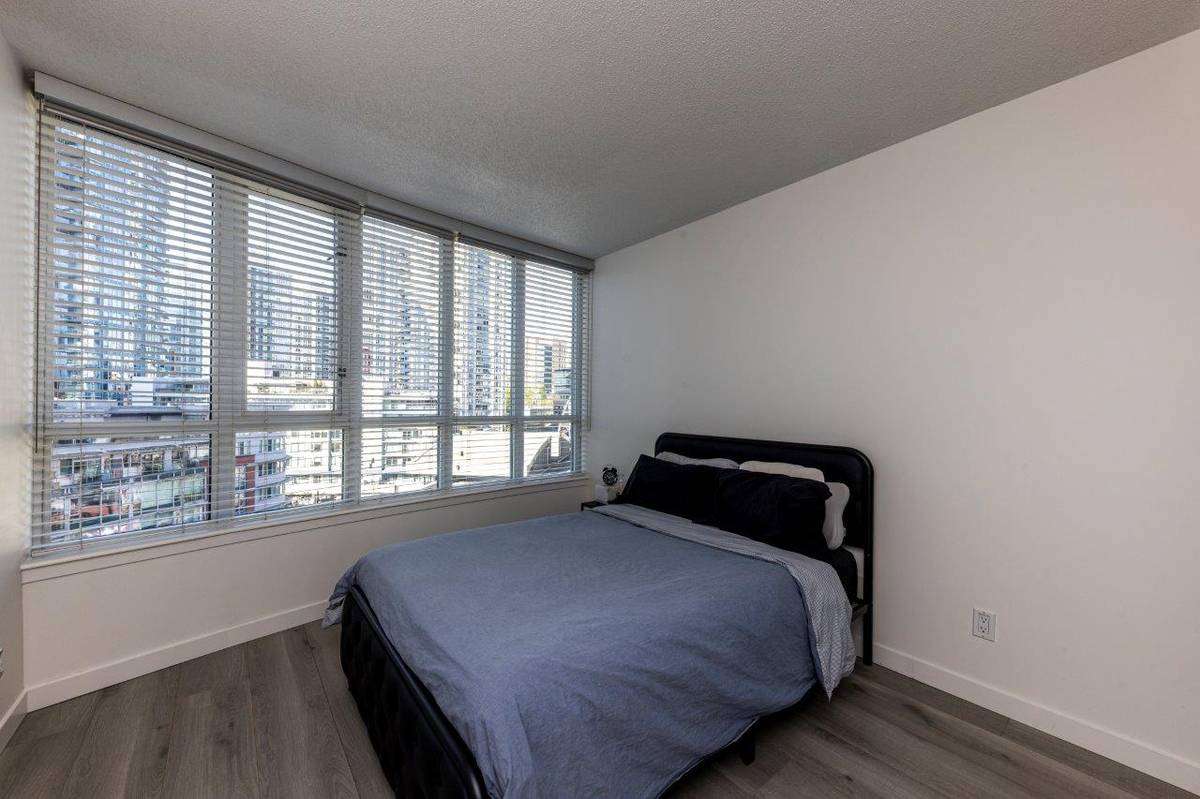
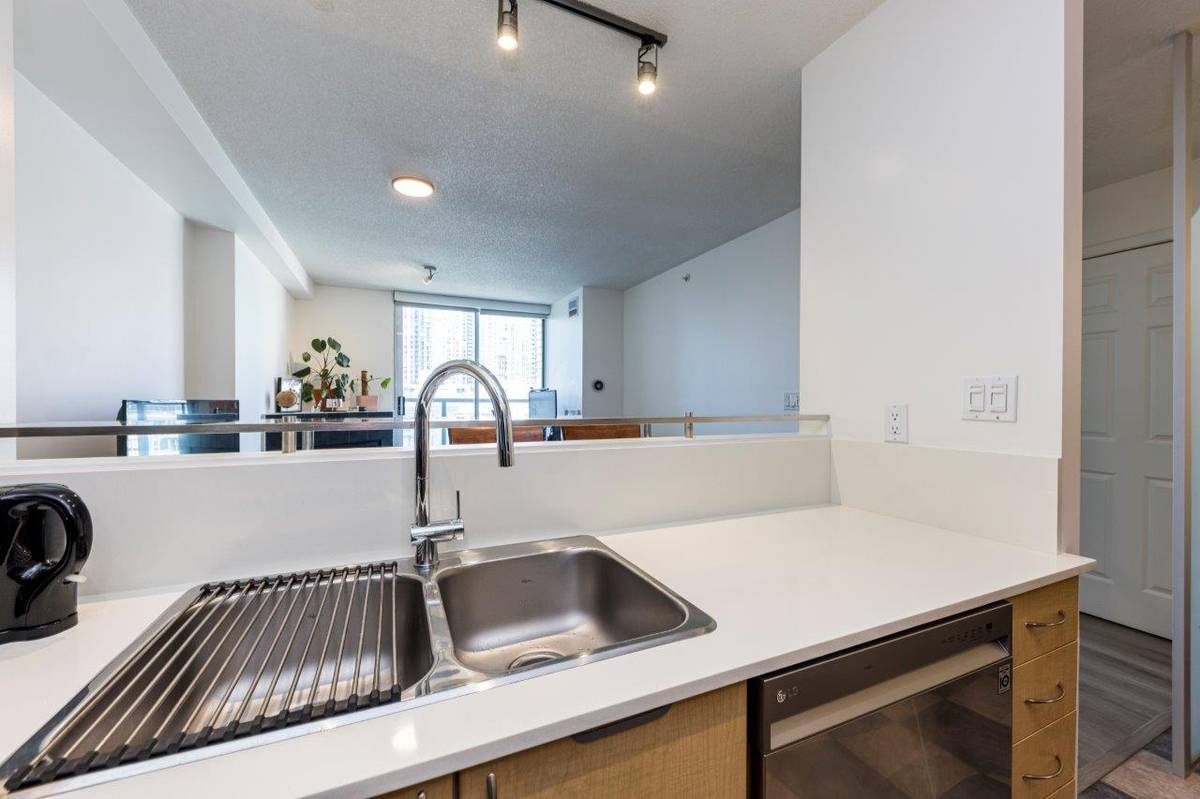
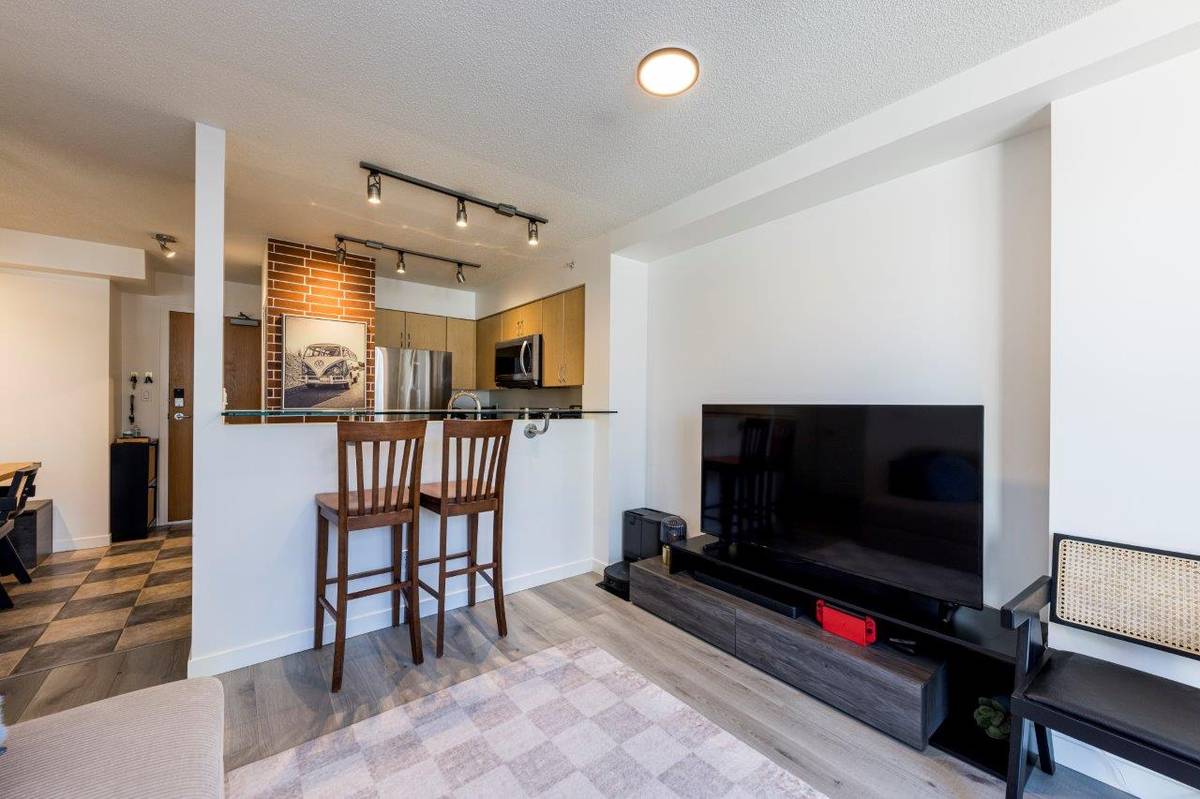
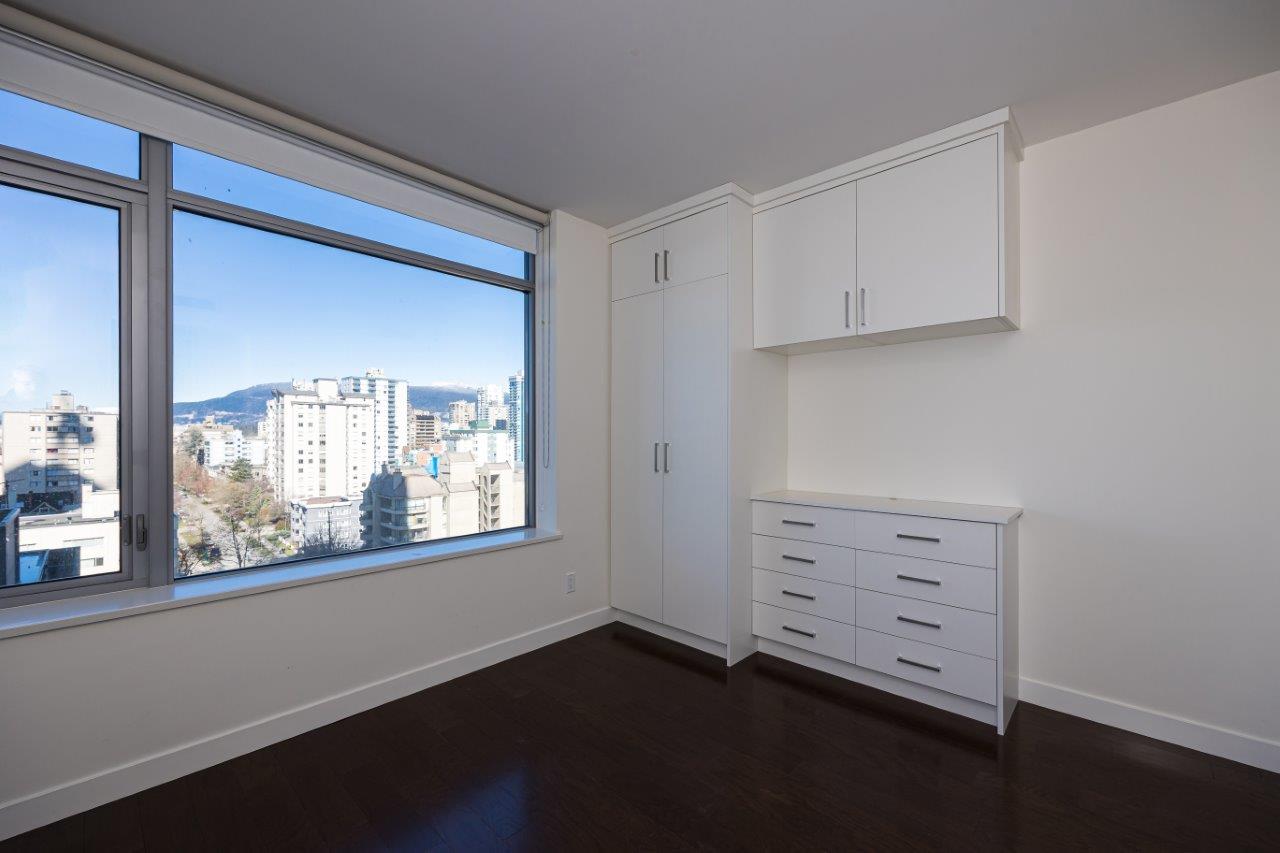
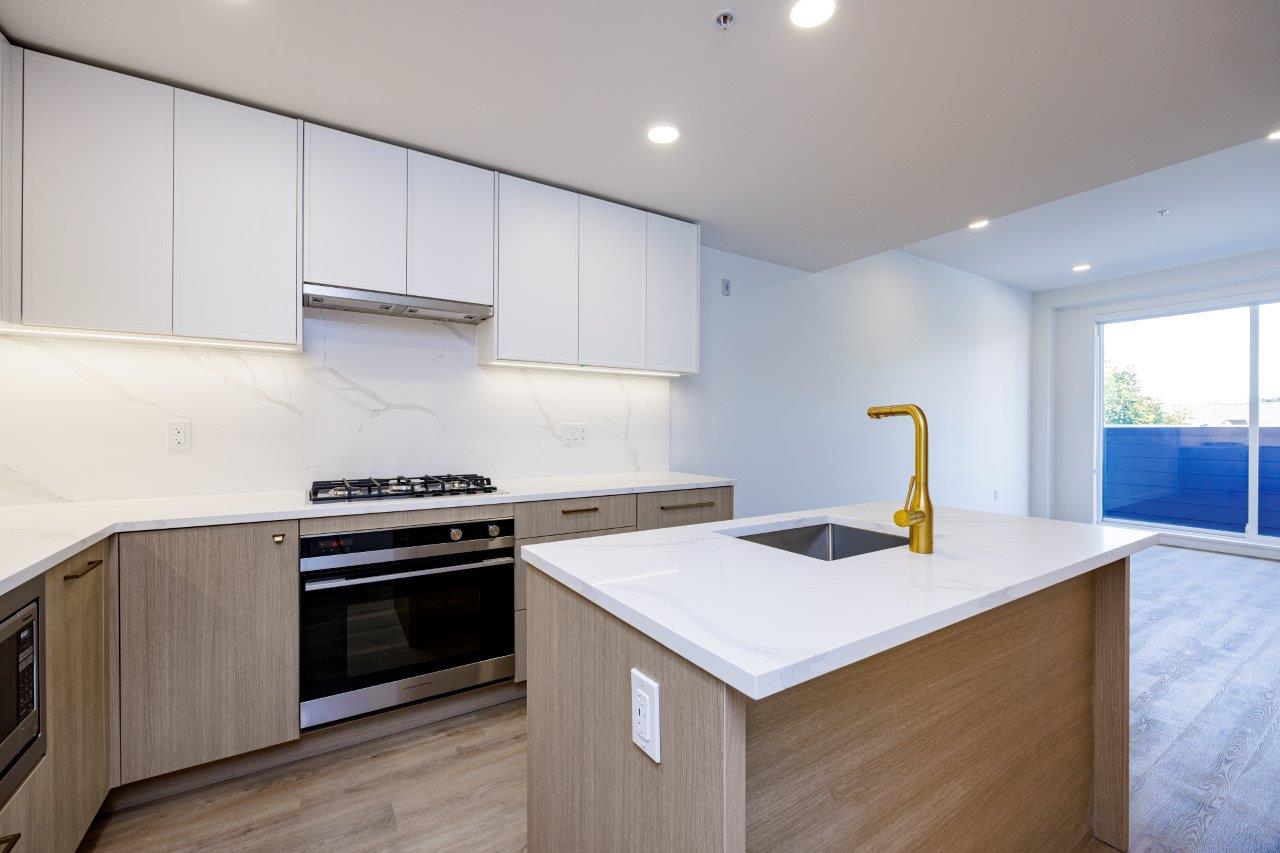
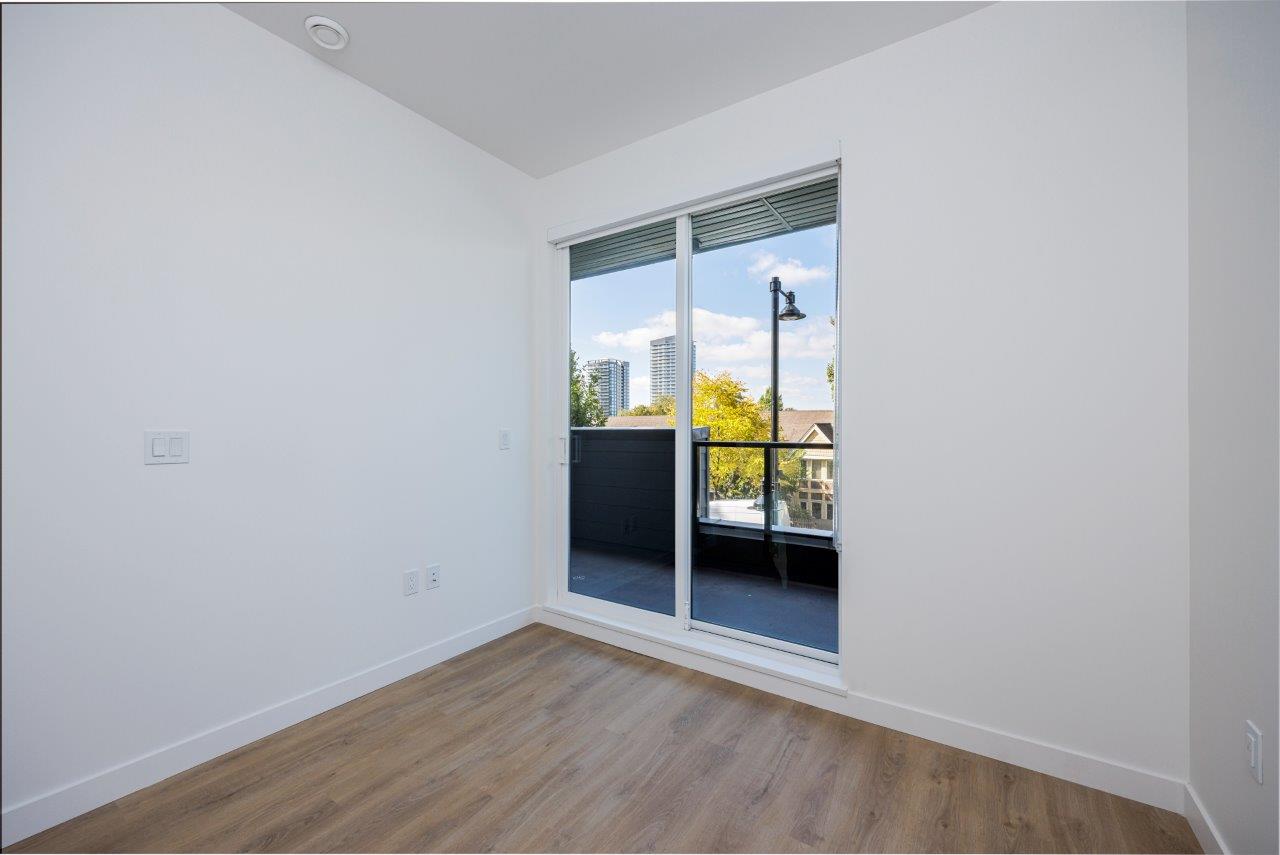
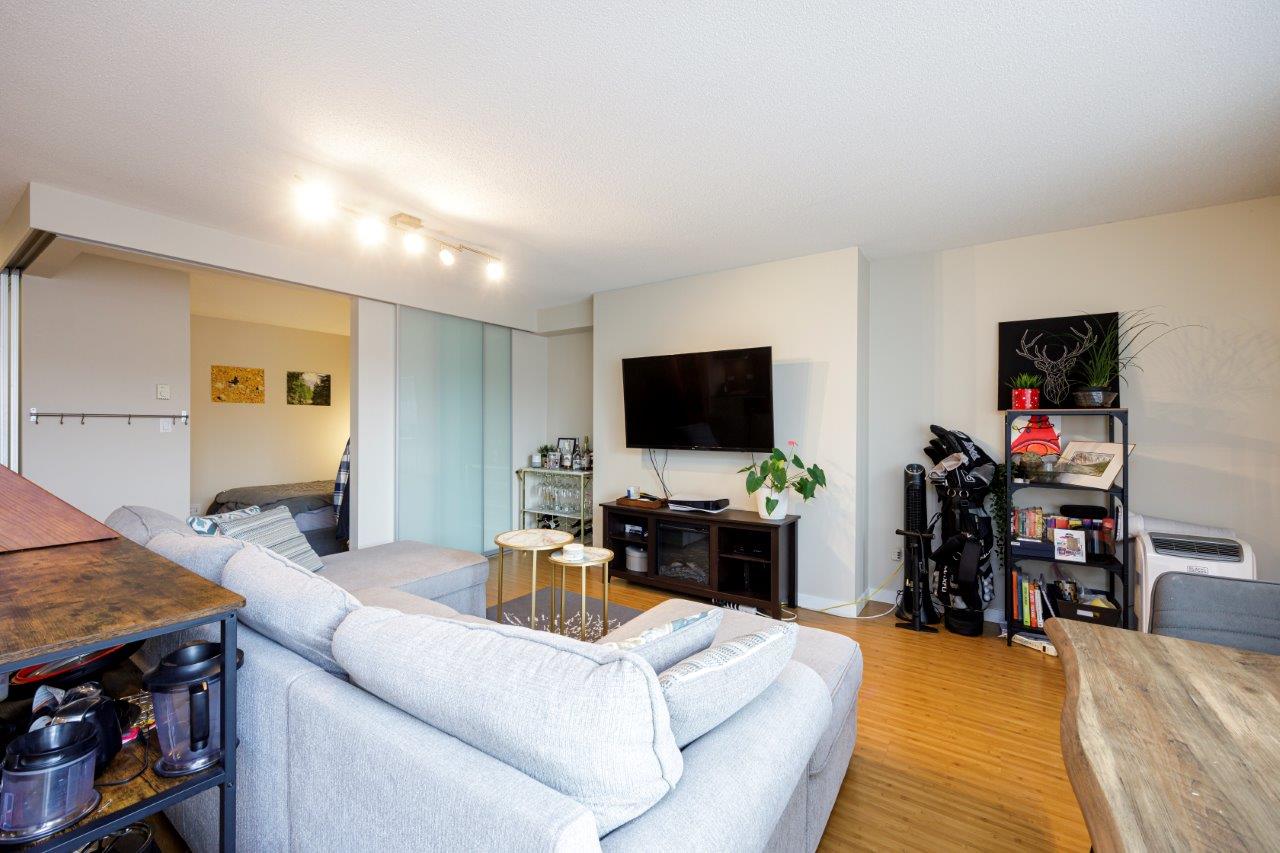
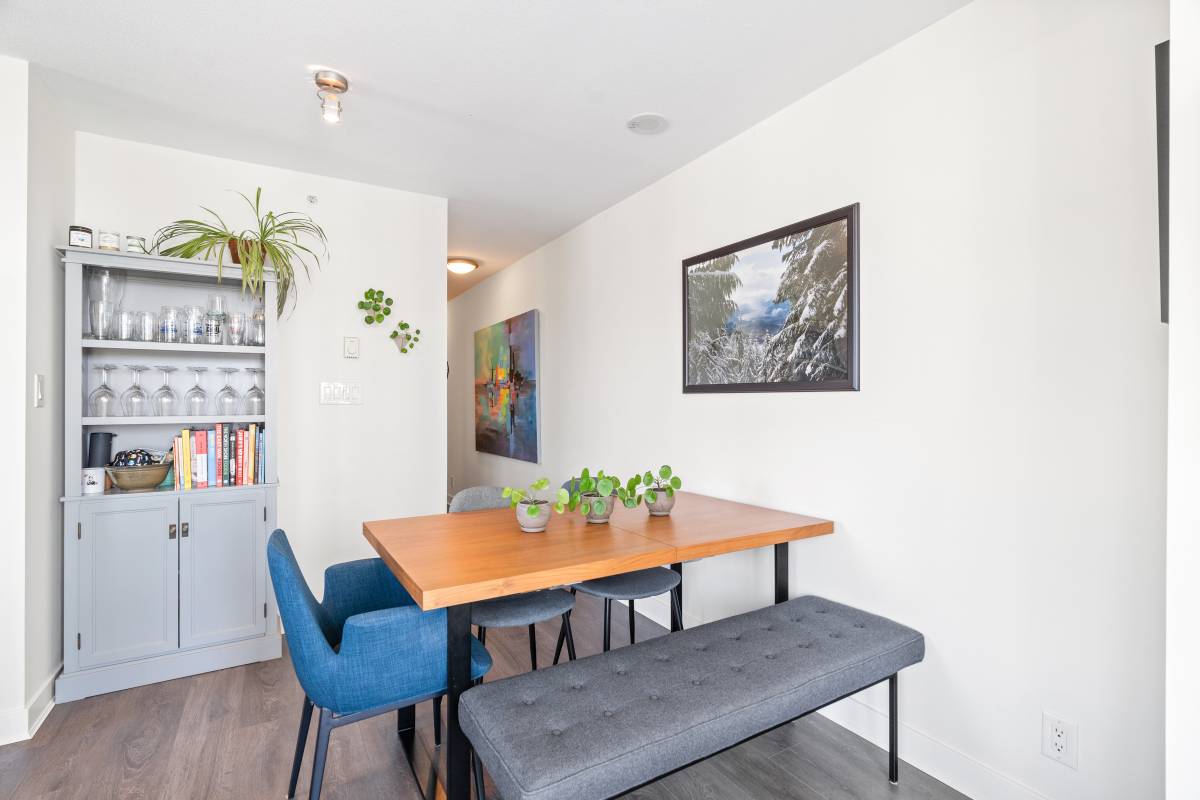
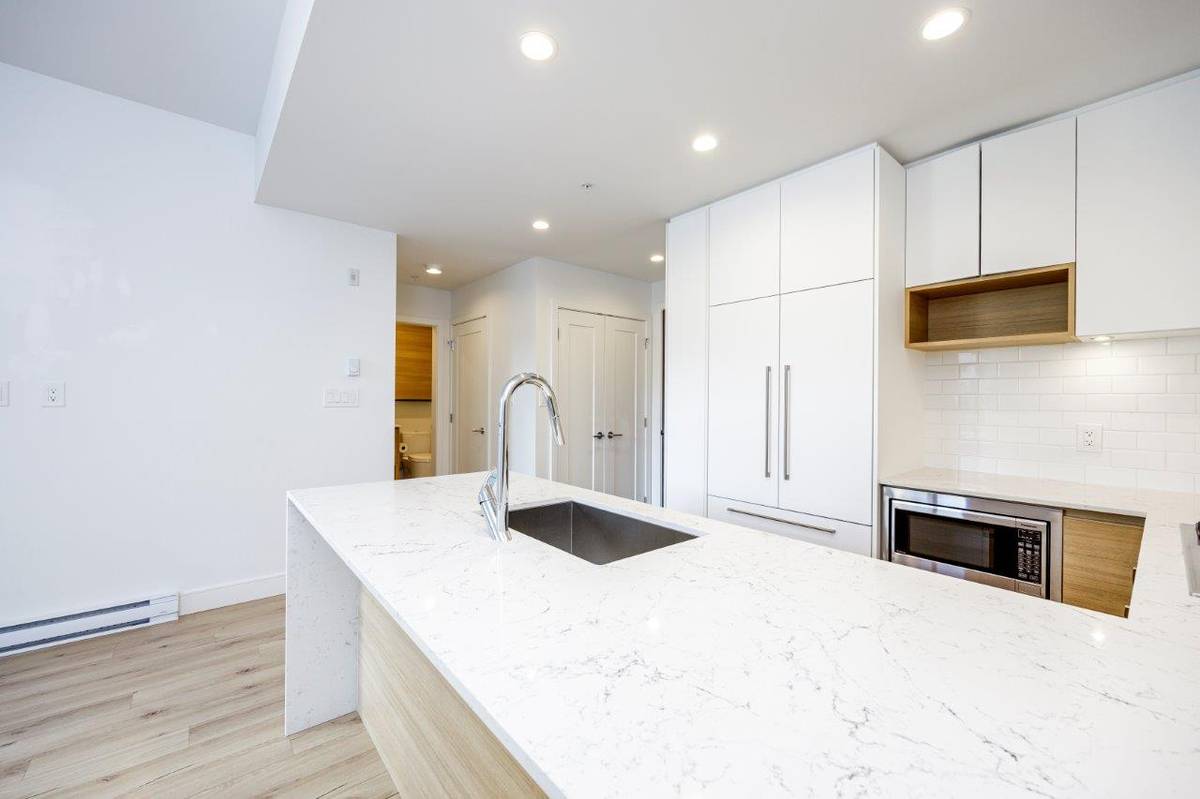
Vancouver’s wet winters put rental homes at risk of condensation, water intrusion, frozen pipes, heating failures and slippery walkways, and every year the first big storm of the season brings a wave of calls to our office. A dripping ceiling after an atmospheric river, a bathroom window streaming with condensation, a furnace that quits on the coldest night of the year: these problems are stressful for tenants and expensive for owners when they are left to grow. The good news is that most winter damage is preventable. We reduce it through fall inspections, clear communication with tenants and a fast response to leaks, heating problems and other urgent repairs. A consistent winter maintenance plan lets owners deal with small warning signs before they turn into damaged finishes, emergency callouts or an unhappy tenant. Across the condos and houses we manage in Vancouver, North Vancouver and West Vancouver, preparation starts with checking the vulnerable areas and making sure every tenant knows exactly how to report a problem quickly.
The Winter Problems We See Most in Vancouver Rentals
Condensation and mould are the most common winter complaints we handle. In damp weather, moisture shows up first on windows, window frames and bathroom surfaces, where it can damage paint and create conditions for mould if it sits for weeks. We ask tenants to run bathroom and kitchen fans when cooking or showering, to keep indoor temperatures reasonably steady and to report fans that stop working or windows that stay wet. Heavy rain is the next big risk. Atmospheric rivers expose blocked gutters, overflowing downspouts, tired window seals and balcony drains that no longer carry water away, and a slow leak behind a wall can do serious damage before anyone sees a stain. Cold snaps are less frequent here, but they can freeze exposed pipes and outdoor taps and put heavy strain on older heating systems, so we arrange seasonal checks before temperatures drop.
These are the winter warning signs we ask every tenant to report right away:
Water coming in: drips or stains on ceilings, walls, windows or balcony doors
Persistent dampness: windows that stay wet, musty smells or spreading mould
Heating trouble: no heat, unusual noises or rooms that won’t warm up
Plumbing changes: low water pressure, slow drains or the sound of running water
Unsafe access: icy steps, poor lighting or pooling water on walkways
Who Is Responsible for Winter Repairs in BC
Responsibility for winter repairs in a BC rental is clearly divided, and knowing who handles what saves owners a lot of frustration. Landlords must keep the rental in a state of repair that meets health, safety and housing standards, and they are responsible for most repairs, including major heating and plumbing problems, common areas and damage from normal wear and tear. Tenants handle basic upkeep, such as dealing with minor mould on windowsills, tubs and showers, and they must repair damage they, their guests or their pets cause. Tenants should report problems in writing and take reasonable steps to limit damage, such as reporting a water leak right away. The Province of BC’s repairs and maintenance guide also defines emergency repairs, which include major leaks in pipes or the roof, blocked water or sewer pipes, the primary heating system, defective locks and electrical problems. Landlords must give tenants an emergency contact, and if no one responds, a tenant can arrange the repair and deduct a reasonable cost from rent.
In condos, there is a third party to consider. The strata corporation is responsible for common property such as shared entrances, hallways, walkways and the building envelope, while the owner looks after the unit itself. When water comes in through a balcony drain or an exterior wall, the right first step is often a prompt report to the strata, and a property manager makes sure that report goes to the right people and gets followed up. In houses, the owner arranges care for paths and steps, although a tenant with exclusive use of a yard usually handles routine yard work, including snow shovelling.
Tenants who travel over the holidays need a little extra planning, because a home left cold and unchecked for two weeks is exactly where a frozen pipe or an unnoticed leak can do the most damage. We remind tenants before the holiday season to keep the heat on at a reasonable setting while they are away, to let us know their travel dates if they are comfortable doing so, and to share an emergency contact. For owners with older houses, we also pay close attention to crawl spaces, garages and other unheated areas where pipes run close to exterior walls. A few minutes of planning in December can prevent a flooded basement in January.
How We Prepare Rentals Before the Rain Arrives
Our fall inspections look for signs of leaks, blocked drainage, drafts and heating equipment that needs service, and we document what we find with photos, much like the move-in inspection reports that protect owners at the start of every tenancy. We give tenants simple guidance on ventilation and on who to call, then keep trusted trades on hand so a heating failure or leak is fixed without delay. Every report is logged with its location and urgency, so nothing slips through the cracks during a busy storm week.
If you rent out a condo or house in Metro Vancouver, a little preparation now can save you thousands this winter. Learn how our property management for homeowners keeps your rental protected, your tenants comfortable and your winter worry free.
The tenant moves out, repairs are needed, and the landlord expects the deposit to cover them. Then the Residential Tenancy Branch (RTB) asks what the property looked like before move-in. Without that paperwork, even an obvious repair can become a difficult claim. For landlords who have lost a dispute, the lesson starts before move-in.
Why a Move-In Inspection Report Matters When a Tenant Disputes Damage Charges
Imagine a tenant disputes a charge for a broken bathroom vanity. The landlord has a photograph of the damage after move-out, but nothing showing the vanity before the tenancy began. That missing starting point matters. The decision-maker needs evidence that the damage occurred during the tenancy and that the tenant caused it. An expensive invoice cannot establish what was there before.
A proper condition report supplies that starting point. It records what both parties saw when possession began, including the condition of fixtures, walls, floors, and appliances. When paired with the move-out record, it lets the landlord explain what changed without relying on memory. Years later, neither side may remember an old chip or scratch. Contemporaneous notes are much more reliable than either person’s recollection at a hearing.
Missing Inspection Records Can Cost Landlords Their Right to Claim Against a Damage Deposit
In British Columbia, skipping the required inspection involves more than losing useful evidence. Under the Residential Tenancy Act, a landlord can lose the right to claim against a security or pet damage deposit for property damage if they fail to meet their move-in inspection duties. These duties cover scheduling, participation, recording, and providing a copy. Genuine damage does not override those rules.
Losing the right to use the deposit for damage does not necessarily prevent a separate monetary claim against the tenant. That claim still needs evidence of responsibility and loss. Meanwhile, the deposit has its own return and dispute deadlines. Keeping the money without written tenant consent or the proper RTB process can create another problem, including possible liability for double the deposit. Records protect those options.
Documenting Existing Damage Before a New Tenant Moves In
Record existing defects, not just the freshly cleaned rooms. A loose cupboard hinge, chipped bathroom tile, discoloured countertop, or stiff window latch belongs in the written notes. Small details become important when the same area shows damage later. A clear record prevents an owner from mistakenly charging the next tenant for an older problem.
The best time to walk through the property is when it is empty and possession begins, or on another agreed day. Open cupboards, test fixtures, check flooring near doors, and note anything awaiting repair. Use room-specific descriptions rather than writing “good condition” across every line. If a repair is promised, record what needs doing and follow up. Record the home as it was.
Photos and Written Records Help Prove When Property Damage Occurred
Photographs strengthen a written report when they clearly show the room and the defect. Start with a wide view that identifies the location, then take a close-up of the mark, crack, or broken fitting. Keep dated originals and label each image clearly. An unidentified stain photo is less helpful.
At move-out, repeat the same angles where possible. Compare the pictures with the earlier notes and record changes during the required final walkthrough. Keep repair invoices, estimates, and tenant communications. A photograph can support what happened, but it cannot prove every repair cost or cause. The strongest evidence connects the original condition, the later change, and the actual financial loss.
Understanding the Difference Between Normal Wear and Tear and Tenant-Caused Damage
Not every tired-looking surface gives a landlord grounds to deduct money. BC tenants are not responsible for reasonable wear and tear from ordinary use. Faded paint, minor floor scuffs, and worn carpet may fall into that category. A smashed cupboard door or a deep burn in flooring may be different, depending on the circumstances. The distinction is ordinary aging versus actions or neglect.
Age affects the amount recoverable, too. Replacing an old carpet with brand-new flooring does not automatically entitle an owner to the entire installation bill. The RTB considers the useful life of building materials when assessing compensation. Keep renovation dates and repair records too. That separates losses from overdue upgrades. A repair estimate should identify what actually needs replacing, not bundle unrelated improvements into the tenant’s bill. Even proven damage may justify only partial replacement costs.
Incomplete or Unsigned Inspection Reports Can Complicate RTB Disputes
A form with blank rooms, vague comments, or no record of disagreements leaves room for arguments later. Both landlord and tenant are generally expected to inspect and sign the report. Signing does not mean a tenant must agree with every description; the form allows them to note differences. Without that step, hearings can become arguments over old damage.
If a tenant cannot attend, the landlord must follow the proper scheduling process rather than simply completing an inspection alone. After an unsuccessful first offer, the second opportunity must follow the prescribed notice requirements. Where the tenant misses both properly offered opportunities, the law provides for an inspection without them. Keep scheduling notices and delivery evidence. An unsigned document needs context, not an invented signature.
Following BC’s Move-In Inspection Requirements to Protect Future Damage Deposit Claims
BC requires the inspection at the start of the tenancy on the day the tenant is entitled to possession, unless both sides agree to another day. The landlord must offer at least two opportunities where required, complete the condition report, and provide the signed move-in copy within seven days of the inspection. At the end of the tenancy, another inspection is required. The move-out copy is due within 15 days after the later of that inspection or receipt of the tenant’s written forwarding address.
Deposit and inspection deadlines differ. Generally, within 15 days after the later of the tenancy ending or receiving the tenant’s forwarding address in writing, the landlord must return the deposit with applicable interest or apply to the RTB to claim against it, subject to legal exceptions. Calendar deadlines and keep delivery proof. A good claim can unravel over one overlooked deadline.
Protect Your Next Rental Deposit Claim With Careful Inspections From Pacific West Property Management
Losing a dispute over paperwork stings when repairs are needed. The next tenancy is an opportunity to change that. Consistent inspections, accurate records, and timely follow-through help landlords avoid repeating an expensive mistake. They also make expectations clearer for tenants and can prevent disputes. A property owner should not have to piece together an inspection history only after receiving an RTB hearing notice.
Pacific West Property Management helps Vancouver-area rental owners handle move-in, move-out, and regular property inspections as part of its residential management services. Our team also handles tenant placement, rent collection, and maintenance. If a past dispute exposed gaps in your process, put stronger procedures in place before the next set of keys changes hands. Contact us at Pacific West Property Management to discuss professional care for your rental property.
A bad tenant can cost far more than one missed rent payment. Repairs, complaints, legal headaches, and weeks of lost income can follow long after the lease ends. For Vancouver landlords, careful screening is not about being overly cautious. It is about choosing someone who is financially prepared, respectful of the property, and more likely to stay.
Reliable income is one of the clearest signs that a renter can handle the monthly cost of a home. Before approving an application, review recent pay stubs, employment details, or other dependable proof of earnings. A high salary alone should not close the deal. Look for consistency, especially when the applicant has recently changed jobs, works seasonally, or relies on several income sources.
It also helps to consider how comfortably the rent fits within the applicant’s overall finances. Someone may technically earn enough but still carry heavy monthly obligations that make payments difficult. Checking income carefully gives landlords a more realistic picture before keys change hands. That extra attention can prevent late payments, rushed move-outs, and another expensive search for a replacement tenant.
Check Credit History for Signs of Payment Risk
A credit report can reveal patterns that an application will not show. Repeated late payments, accounts in collections, or unusually high debt may point to financial pressure. One imperfect mark does not automatically make someone a poor renter, but several problems together deserve a closer look. The goal is to understand how the applicant manages ongoing commitments.
Context matters, too. A person recovering from an old financial setback may now have a strong payment record and stable employment. Someone with an excellent score might still be stretching their budget too far. Use credit history as one part of the bigger picture rather than treating a single number as the final answer. Good screening looks for patterns, not shortcuts.
Past rental behaviour can tell you how an applicant may treat your property. Ask where they lived, how long they stayed, and why they left. Frequent moves without a clear explanation can sometimes signal instability, while a long record of responsible tenancies may offer reassurance. Pay attention to gaps or addresses that do not line up with the timeline provided.
Previous landlords may also reveal issues that never appear on a credit report. Chronic late rent, damaged units, repeated complaints, or leaving without proper notice can all create costly problems later. A renter who has caused the same trouble at several properties may do it again. Looking at the full rental history helps you spot patterns before they become your problem.
Confirm References Instead of Taking Applications at Face Value
Applications are designed to present applicants in the best possible light, so every important detail deserves verification. Call employers when appropriate and speak with previous landlords rather than relying on names and numbers written on the form. A short conversation can confirm whether the information is accurate and whether the applicant has been straightforward from the beginning.
Ask specific questions instead of accepting vague praise. Find out whether rent arrived on time, whether the unit was cared for, and whether proper notice was given before moving. Listen for hesitation or answers that sound unusually rehearsed. Taking a few extra minutes to confirm references can uncover inconsistencies that might otherwise lead to months of frustration.
Screen for Lease Violations That Could Lead to Turnover
Not every costly tenancy starts with missed rent. Repeated lease violations can create just as much trouble. Unauthorized occupants, unapproved pets, excessive noise, or misuse of the property may lead to complaints, damage, or an early end to the tenancy. These problems can also strain relationships with neighbours and other residents in the building.
Past behaviour can offer useful clues. Ask previous landlords whether the applicant followed building rules and respected the terms of the agreement. Clear conversations before move-in also help set expectations from day one. When renters understand the rules and have a history of following them, landlords face fewer surprises and are less likely to restart the leasing process sooner than expected.
Use Consistent Criteria to Reduce Screening Errors
It is easy to make a rushed decision when a unit has been sitting empty and carrying costs keep adding up. That pressure can tempt landlords to approve the first applicant who seems friendly or financially qualified. A consistent screening process keeps emotion from taking over and makes it easier to compare applicants using the same practical standards.
Create a repeatable checklist for income, credit, rental history, references, and other relevant factors. Follow the same process each time rather than changing the rules depending on the person. Consistency reduces overlooked details and helps landlords make decisions based on useful information instead of gut feeling. It also makes the process easier to manage when several applications arrive at once.
Lower Vacancy Risk by Choosing Stable, Qualified Tenants
The fastest way to fill a unit is not always the best way to protect rental income. Approving the wrong person quickly can create a much longer vacancy later if the tenancy breaks down. Stable renters who can comfortably afford the home, communicate well, and respect the agreement are more likely to stay and make ownership easier.
A strong tenant can also reduce the hidden costs of turnover. Every move-out can bring advertising expenses, cleaning, repairs, showings, paperwork, and lost rent between occupants. Choosing carefully at the beginning gives landlords a better chance of avoiding that cycle. A few extra checks before approval can save weeks of work and thousands of dollars later.
Protect Your Rental Investment With Smarter Tenant Screening From Pacific West Property Management
If you have already dealt with a tenant who stopped paying, damaged the property, or disappeared with little notice, you know how quickly one poor decision can become an expensive problem. Pacific West Property Management helps Vancouver landlords take a more careful approach by handling the details that are easy to miss when you are managing applications on your own.
The right renter can bring steady income, fewer headaches, and greater confidence in your property. Instead of rushing through applications or relying on first impressions, work with a team that understands how much is riding on the decision. Pacific West Property Management can help you protect your investment and reduce avoidable turnover. Contact us to get started.
Being a landlord in Vancouver can be a rewarding experience, but it also comes with its own set of challenges. From dealing with maintenance issues to staying up-to-date with local rental laws, the responsibilities can sometimes feel overwhelming. Luckily, there are ways to make these tasks easier and ensure that both you and your tenants are happy. This post will explore how to streamline your responsibilities and take the stress out of property management.
What Are the Top Responsibilities Every Vancouver Landlord Should Know?
As a landlord in Vancouver, it’s crucial to understand your legal obligations and the day-to-day responsibilities that come with managing a property. For one, you need to ensure that the property is safe, habitable, and well-maintained. This includes responding promptly to repair requests, keeping the property up to code, and conducting regular inspections. Vancouver’s rental laws are strict, especially when it comes to tenant rights, so staying on top of these rules is essential to avoid potential legal trouble.
Beyond maintenance, you also need to manage rent payments, security deposits, and lease agreements. This can involve tracking due dates, handling late payments, and ensuring that the terms of the lease are being followed. If a tenant wants to break their lease early or needs a renewal, it’s your responsibility to handle these situations according to the law. While all of this can be time-consuming, staying organized and informed can make managing these responsibilities much smoother.
How Can Proper Maintenance Systems Save You Time and Money?
Effective maintenance systems are the backbone of any successful rental property management. One of the most common complaints tenants have is when maintenance requests are ignored or delayed. Not only does this affect tenant satisfaction, but it can also lead to costly repairs down the line. Having a proper maintenance plan in place, whether it’s scheduling regular inspections or using a reliable contractor network, can prevent small issues from turning into expensive problems.
Regular property upkeep also ensures that your tenants remain happy and comfortable, which can lead to longer-term leases and fewer vacancies. For example, simple tasks like cleaning the gutters, inspecting plumbing, and checking the HVAC system can prevent major issues. Additionally, setting up an easy-to-use system for tenants to report problems—whether it’s a mobile app or a dedicated email—can help you address issues faster, keeping your tenants satisfied and minimizing the risk of expensive repairs.
Navigating Vancouver’s Rental Laws Without the Stress
Vancouver’s rental market is governed by strict rules and regulations, designed to protect both landlords and tenants. From rent control laws to rules on tenant evictions, understanding these regulations is crucial to ensuring that you stay compliant. Rent increases, for instance, are capped at a certain percentage each year, and the timing of such increases is heavily regulated. Knowing when and how much you can legally raise the rent ensures you avoid disputes and potential legal penalties.
Another important area to consider is tenant eviction. In Vancouver, you can’t simply ask a tenant to leave without following a specific legal process, and even then, there are only limited reasons that are considered acceptable for eviction. Keeping up with changes in local rental laws is important for maintaining a positive relationship with tenants and avoiding costly fines. Fortunately, there are resources and professional services that can help you navigate these complex laws with ease.
How to Handle Tenant Communication Like a Pro
Clear and timely communication is key to managing a successful rental property. Whether it’s responding to maintenance requests, negotiating lease terms, or simply answering questions, maintaining open lines of communication helps build trust with your tenants. One of the easiest ways to manage communication is by setting expectations upfront. Ensure that tenants know how to reach you, what your response times will be, and what to do in the event of an emergency.
It’s also important to be proactive in your communication. Regular check-ins can be a great way to keep tenants informed about anything that might affect them, like upcoming property inspections or changes to rent policies. By keeping your tenants in the loop, you can avoid misunderstandings and maintain a positive relationship. When issues do arise, addressing them quickly and professionally shows that you’re dedicated to maintaining a good living environment for your tenants, which can help you avoid conflicts down the road.
Make Property Management Easy with Pacific West Property Management: Stress-Free Landlord Life
If managing your property is starting to feel like a full-time job, it might be time to hand over the reins to the professionals. Pacific West Property Management specializes in helping Vancouver landlords streamline their responsibilities and maximize the profitability of their properties. From maintenance coordination to navigating the complexities of rental laws, our experienced team takes care of it all, so you can enjoy the rewards of being a landlord without the stress.
Contact us today to learn how our expert property management services can make your life easier and your rental property more successful. Let us handle the day-to-day tasks, so you can focus on what truly matters—building your property portfolio and enjoying your investment.
FAQs:
How can Pacific West Property Management help me stay compliant with local rental laws?
Vancouver’s rental market is governed by strict rules and regulations. Our team at Pacific West Property Management stays up-to-date with these laws to ensure that your property remains fully compliant. Whether it’s rent control, tenant evictions, or lease agreements, we make sure that all aspects of your property management are handled in accordance with Vancouver’s rental laws, helping you avoid costly legal issues and potential fines.
Can Pacific West Property Management help with tenant placement?
Yes, we specialize in tenant placement and screening. At Pacific West Property Management, we ensure that only qualified, reliable tenants are placed in your property. We conduct thorough background checks, credit assessments, and reference verifications to make sure tenants meet your expectations and are a good fit for your property. Our goal is to minimize vacancy periods and find tenants who will take care of your property long-term.
How does Pacific West Property Management handle maintenance requests?
We make property maintenance easy and stress-free for both landlords and tenants. Tenants can submit maintenance requests through an online portal or by calling our team. Once a request is received, we quickly assess the issue and arrange for timely repairs by trusted contractors. We ensure that your property remains in top condition and that any maintenance problems are resolved efficiently, reducing potential damage and keeping tenants satisfied.
Will I be kept informed about my property’s performance and condition?
Absolutely! Communication is key to a successful partnership. At Pacific West Property Management, we provide regular updates on your property’s condition, tenant status, and financial performance. You’ll receive detailed monthly reports that include rent collection updates, maintenance costs, and any ongoing issues or improvements. We make sure you’re always in the loop, so you can make informed decisions about your property.
A rental property feels different when there’s trust on both sides—problems shrink, communication flows, and the living experience becomes smoother for everyone involved. Tenants notice when management takes them seriously, and that sense of respect plays a huge role in whether they stay or start looking elsewhere. Strong, steady relationships don’t happen by accident; they’re built from everyday interactions that show reliability, care, and accountability.
Homeowners Showing Honest Communication Builds Tenant Confidence
Honest communication sets the tone for the entire renting experience. When a homeowner gives clear answers, stays upfront about policies, and speaks openly about property conditions, tenants feel grounded instead of guessing what might come next. Transparency shows respect, and people respond to that. Even small updates—like letting tenants know about upcoming inspections or maintenance—go a long way in reducing anxiety while strengthening trust. Good communication becomes a safety net that tenants rely on whenever decisions need to be made.
Confidence grows even more when communication continues after move-in. Tenants appreciate hearing real explanations instead of vague promises. They stay engaged when homeowners follow through on what they say and remain available for questions. When a property manager supports this open communication style, it reassures tenants that they aren’t being left in the dark. This steady honesty makes the rental feel less transactional and more like a long-term relationship worth keeping.
Responsiveness is one of the clearest signals that a tenant’s comfort matters. Quick replies to messages, timely confirmations, and follow-ups all show that their concerns aren’t being pushed aside. Even if an issue can’t be fixed immediately, acknowledging the request and giving an estimated timeline shows that the management team cares. Feeling heard is one of the strongest drivers of tenant loyalty.
Fast responses also prevent problems from growing. A small leak can turn into damage if ignored, but with a responsive manager, solutions are set in motion quickly. Tenants stay longer in buildings where they feel valued, and that value is communicated through action. Good responsiveness builds trust brick by brick, and retention naturally follows because tenants don’t want to risk losing reliable support.
Tenants Staying Longer When Repairs Are Handled Without Delay
A delayed repair sends a message—either that the issue isn’t important or the tenant’s comfort doesn’t matter. On the other hand, a fast repair shows respect for the tenant’s home and safety. Nothing builds goodwill like addressing maintenance needs promptly and properly. Tenants who see repairs handled efficiently develop faith in the property’s long-term care.
There’s also a practical side: a well-maintained building creates fewer emergencies down the road. Quick repairs help preserve the property’s value while creating a smoother living experience. When tenants feel that their home is cared for, renewal becomes an easy decision. Timely maintenance keeps frustrations low and reinforces the idea that they’re living in a place where people pay attention.
Clear Expectations from Day One Reduce Future Misunderstandings
Setting expectations upfront prevents avoidable conflicts later. When move-in instructions, building rules, rental policies, and payment details are clear from the start, tenants know exactly what to expect. This clarity eliminates guesswork and creates a sense of stability. It’s easier to build trust when both sides understand their responsibilities and rights.
As time goes on, those early expectations continue to shape the relationship. If changes arise, communicating them clearly helps tenants feel included rather than blindsided. Straightforward expectations aren’t about strict control—they’re about fairness. Helping tenants understand how things work ensures a smoother rental experience and encourages them to remain long-term residents.
Respectful Interactions Make Tenants More Willing to Renew Leases
Respect sets the tone for every conversation. A respectful approach—patient explanations, calm communication, and polite interactions—helps tenants feel comfortable addressing concerns. People remember how they’re treated, and that memory influences their decision to stay or leave when the lease is up.
Respect builds loyalty. When tenants know they can speak up without being dismissed, they feel more at ease living in the property. They’re also more likely to recommend the building to friends or colleagues. Respectful relationships reduce tension, make conflict resolution easier, and inspire tenants to commit to another lease term simply because the environment feels supportive.
Property Updates Shared Often Make Coal Harbour Renters Feel Secure
Regular updates show that the property is being actively cared for. Sharing plans for upgrades, maintenance schedules, or building improvements keeps tenants informed about the place they call home. Updates also relieve concerns, especially when construction or temporary disruptions occur.
Security grows when tenants see visible effort invested in the property. Whether it’s a new access system, updated lighting, or fresh landscaping, improvements demonstrate commitment to the community. Renters appreciate knowing what’s happening and why—it makes them feel included. This sense of stability keeps tenants rooted even in competitive markets like Coal Harbour.
Tenants Appreciating Consistent Rules and Fair Enforcement
Consistency builds trust in any community. Rules that apply to everyone—without favoritism or exceptions—make tenants feel that their home is being managed fairly. Clear enforcement reduces frustration and protects peaceful living conditions.
Fairness also encourages respectful behavior among tenants. When rules are followed and applied evenly, the entire building benefits from reduced noise issues, cleaner shared areas, and a more cooperative environment. Consistency shows professionalism, which reassures tenants that renewing their lease means continuing to live in a stable and well-run community.
Pacific West Property Management Strengthens Tenant Relationships Through Trust-Focused Service and Reliable Support
Pacific West Property Management understands that tenant retention is rooted in trust—not just policies or paperwork. Our team prioritizes communication, quick responses, and respectful interactions that help renters feel supported from day one. With a strong focus on transparency and fair practices, they create environments where tenants feel genuinely valued.
Our approach blends professionalism with human connection. Whether it’s maintenance coordination, lease guidance, or day-to-day questions, tenants experience a level of care that builds loyalty. Contact us today to learn how Pacific West Property Management can improve retention, elevate tenant satisfaction, and support property owners with a system built on reliability and trust.
Building and maintaining strong relationships with tenants is essential for any property manager or homeowner. Tenants are more than just renters—they are partners in maintaining your property’s value and ensuring its success. Positive tenant relationships lead to longer stays, fewer vacancies, and better care of your property. In this post, we’ll explore practical tips for fostering these relationships to benefit both parties.
Effective Communication Strategies for Property Managers and Tenants
Communication is key to any successful relationship, and it’s no different with tenants. Establishing clear, open lines of communication right from the start helps to create trust and resolve issues promptly. Regular check-ins through emails or messages can help property managers stay informed about tenant needs, and allow tenants to voice concerns before they escalate.
In addition to regular updates, it’s also important to make sure communication is approachable. Encourage tenants to ask questions or express concerns about the property, and ensure responses are timely and respectful. By being transparent and responsive, property managers can avoid misunderstandings and create an environment where tenants feel heard and valued.
How Homeowners Can Benefit from Building Trust with Tenants
For homeowners, building trust with tenants goes beyond ensuring they pay their rent on time. When tenants trust the homeowner or property manager, they are more likely to take better care of the property and renew their leases. A trusted tenant is a long-term tenant, which benefits homeowners by reducing turnover and maintenance costs.
Trust also makes it easier to handle any issues that arise, as tenants will be more willing to cooperate when there is mutual respect. Open, honest conversations about expectations and concerns lay the groundwork for a positive relationship that helps both parties succeed in the long run.
The Importance of Regular Property Inspections in Tenant Retention
Conducting regular property inspections is a key part of maintaining a positive tenant relationship. Inspections show tenants that you care about the condition of the property, which can encourage them to take better care of it themselves. It also gives you the opportunity to catch small issues before they become larger, costlier problems.
While regular inspections are important, it’s crucial that tenants are notified ahead of time and the process is done professionally. This ensures that the inspections do not feel intrusive or alarming, maintaining a positive atmosphere and making tenants feel that their space is respected.
Providing Quick and Efficient Maintenance Solutions for Tenants
Tenants value quick responses to maintenance requests, as this shows that their comfort and satisfaction are a priority. Whether it’s fixing a leaky faucet or addressing an appliance issue, property managers should aim to provide timely, effective solutions. A swift response can improve tenant satisfaction, encouraging them to stay longer and recommend your property to others.
Efficiency doesn’t just mean speed—it also means getting the job done right the first time. Reliable repairs reduce the chances of tenants having recurring issues, and they feel more secure knowing that their concerns are handled effectively and professionally.
Building Long-Term Relationships with Tenants Through Transparent Policies
Clear and transparent policies set expectations from the start and help build long-term relationships. Tenants are more likely to stay in a property where they understand the rules, rent payment deadlines, and consequences of late payments. Transparency fosters trust, making tenants feel more secure in their living environment.
It’s important to regularly review and update your policies to ensure they align with current laws and tenant needs. Providing tenants with clear information about the property’s rules and expectations not only helps with compliance but also ensures everyone is on the same page.
How Property Managers Can Handle Tenant Complaints with Professionalism
When tenants have complaints, handling them with professionalism and empathy is essential. Listening to the issue without getting defensive and taking the time to resolve the problem effectively can turn a negative situation into a positive one. Professionalism in these moments demonstrates to the tenant that their concerns are important and valued.
Sometimes complaints can be challenging, but always remaining calm, offering solutions, and ensuring follow-up is key to maintaining tenant satisfaction. Professional handling of complaints helps prevent small issues from escalating, which can lead to better tenant retention.
Why Clear Lease Agreements Are Essential for Healthy Tenant Relationships
Clear rental agreements are the foundation of any strong tenant relationship. They outline each party’s rights and responsibilities, reducing the potential for misunderstandings and disagreements. A well-written lease covers everything from rent payments to maintenance responsibilities, ensuring that both the landlord and tenant are clear on what is expected.
Taking the time to review the lease agreement with your tenants at the start of the lease term can help ensure that they fully understand the terms. This transparency not only avoids future issues but also contributes to a sense of trust and professionalism that strengthens the relationship.
Create a Strong Tenant Relationship with Pacific West Property Management
Building strong relationships with tenants is vital for property managers and homeowners looking for long-term success. At Pacific West Property Management, we focus on providing high-quality tenant management services to ensure smooth and positive relationships. From handling maintenance requests promptly to ensuring clear communication, we’re here to make your tenant relationships flourish. Contact us today and let us help you create an environment where tenants feel valued and respected, ensuring the long-term success of your property.
Choosing the right tenant feels less like paperwork and more like setting the stage for a lasting relationship. The decision shapes not only your rental income but also your peace of mind. Every property owner benefits from looking beyond surface details and learning what really matters during the selection process.
Screening Rental History to Evaluate Reliability of Applicants
Rental history speaks louder than promises. A tenant’s past behavior often predicts how they will treat your property and pay rent in the future. Reviewing this history uncovers patterns like late payments, broken leases, or responsible tenancy that lasted for years. These details paint a clear picture of how much trust you can place in an applicant.
Property owners should request a detailed rental history report and cross-check dates, locations, and landlord information. This step ensures consistency and exposes gaps that might hide prior evictions. When a pattern of responsible renting emerges, landlords gain confidence that the tenant will bring stability to their property.
Reviewing Income Verification to Ensure Consistent Rent Payments
Steady income creates a foundation for reliable rent payments. Reviewing pay stubs, tax returns, or employment letters gives landlords confidence that a tenant can meet monthly obligations without strain. Income verification protects both parties by preventing future disputes about late or missed payments.
Landlords often apply an income-to-rent ratio to ensure affordability. By confirming that a tenant’s earnings comfortably exceed rental costs, owners reduce the risk of turnover caused by financial stress. This approach supports a smoother relationship, where both landlord and tenant know payments will remain consistent.
Checking References from Previous Landlords for Performance Insights
References from prior landlords hold valuable insights into how an applicant managed their rental obligations. These conversations reveal more than whether rent was paid on time; they highlight behaviors like property care, communication style, and respect for neighbors. A tenant who maintained positive relationships in the past is likely to repeat those actions.
It’s wise to ask former landlords direct questions about lease compliance, property condition at move-out, and responsiveness to house rules. Reliable feedback from these sources helps landlords avoid tenants who caused damage or required frequent intervention. Such insights carry weight that no form can match.
Assessing Credit Reports to Measure Financial Responsibility
Credit reports reveal how applicants handle financial commitments. A strong score and clean history demonstrate discipline in paying bills, managing debt, and meeting obligations. Even more than numbers, credit reports show patterns that landlords can interpret to understand long-term behavior.
Landlords should focus on consistent payment history rather than small blemishes like an old late fee. Applicants with a proven track record of meeting obligations are less likely to default on rent. Using credit responsibly signals reliability, which is essential for maintaining trust in a rental arrangement.
Conducting Background Checks to Safeguard Property and Neighbors
Background checks protect both the property and the surrounding community. Screening for criminal records ensures that landlords make informed choices about who they allow into their spaces. It also reassures neighbors that safety remains a priority.
A thorough check goes beyond surface-level results. Landlords can identify patterns of risky behavior that might jeopardize property security or disrupt other tenants. By addressing these concerns early, landlords create safer environments and reduce the likelihood of costly disputes later.
Matching Tenant Lifestyle with Property Type for Long Term Stability
Lifestyle compatibility makes tenancy smoother for everyone. A young professional might thrive in a quiet apartment, while a family could prefer a rental home with more space and outdoor access. Matching the tenant’s lifestyle with the property type increases the likelihood of a longer stay.
When lifestyles align, tenants feel more satisfied and less inclined to search for a better fit elsewhere. Landlords who take time to understand how a tenant intends to use the space create relationships that last, reducing turnover and vacancy periods.
Analyzing Lease Agreement Compliance During the Application Stage
An applicant’s willingness to review and comply with lease terms provides early insight into future behavior. Tenants who question key clauses or resist certain requirements may signal challenges down the road. Observing how applicants respond during this stage helps landlords assess compatibility.
Careful analysis of compliance builds trust between both parties. A tenant who respects lease conditions from the beginning is more likely to continue honoring agreements over time. This attention during the application process prevents misunderstandings after move-in and strengthens the rental relationship.
Confirming Move in Readiness to Align with Property Availability
Timing matters as much as qualifications. Confirming that a tenant is ready to move in when the property is available ensures minimal vacancy and a smoother transition. This step avoids delays that can leave landlords covering utility bills or losing rental income.
Landlords should discuss timelines openly during the application stage. If a tenant cannot move in for months, it may not align with financial goals. Prioritizing applicants whose schedules match property availability reduces headaches and maintains consistent cash flow.
Pacific West Property Management Helps Property Owners Find Tenants Who Truly Fit
Finding tenants who not only qualify on paper but also genuinely align with a property takes effort, strategy, and experience. Pacific West property management bridges that gap for property owners by using proven screening practices alongside personalized guidance. Our approach is not limited to checking income or credit; it extends into evaluating lifestyle fit, reviewing compliance readiness, and ensuring move-in timing matches availability.
By addressing these details with precision, we create a foundation where both tenants and property owners benefit. The result is a relationship built on trust, clear expectations, and long-term stability that reduces turnover and financial stress.
Many owners underestimate the complexity of tenant placement until issues arise. Pacific West property management removes that uncertainty by combining hands-on service with thorough background checks, landlord reference calls, and documentation reviews. Our process uncovers insights that owners might overlook, giving peace of mind that only dependable tenants occupy the space.
This attention to detail means fewer missed payments, reduced risk of property damage, and stronger lease compliance. For property owners who want confidence in every rental agreement, Pacific West offers not just management but genuine partnership. Contact us today and take the next step toward protecting your property investment while building lasting tenant relationships.
Operating costs for multi-family units in Vancouver BC don’t just appear on a balance sheet—they reflect the everyday decisions that keep buildings functional, safe, and financially sustainable. Behind every bill, inspection, and report, there’s a structured system that helps owners and tenants alike maintain stability in a city where housing comes with constant demands. Understanding how these expenses are tracked and managed gives insight into how buildings remain well-run year after year.
Tracking Utility Costs Across Multiple Tenant Households
Utility bills often make up one of the largest operating expenses in multi-family housing. Electricity, water, gas, and waste services all add up quickly when spread across multiple households. To manage this effectively, meters may be installed for individual units, while common areas such as hallways or shared laundry rooms often fall under building expenses. Clear accounting prevents confusion and ensures residents are not paying more than their share.
An overlooked aspect of utility management involves analyzing usage patterns. By monitoring spikes in water or power consumption, property managers can spot issues like leaks, inefficient appliances, or even unauthorized equipment use. This not only saves money but also helps maintain fair billing practices across tenants, avoiding disputes that might arise from sudden unexplained increases.
Scheduling Routine Maintenance to Prevent Unexpected Bills
Routine upkeep is one of the most effective ways to keep operating costs steady. HVAC systems, plumbing lines, and electrical wiring require regular checks to avoid sudden failures that often result in expensive emergency repairs. A simple inspection scheduled at the right time can prevent larger financial headaches later.
Maintenance schedules also extend the lifespan of building systems, meaning replacements happen less frequently. This consistency creates predictable budgeting, giving owners more accurate cost forecasts. In the long run, sticking to a structured schedule helps stabilize overall expenses while keeping the property safe and reliable for tenants.
Reviewing Service Contracts for Better Long Term Value
Contracts with landscapers, cleaning crews, or elevator service companies form part of monthly and yearly costs. A well-negotiated contract ensures services are reliable while staying within budget. Reviewing these agreements regularly prevents owners from paying inflated rates for outdated services.
Long-term value is often hidden in the details of service agreements. Property management professionals analyze terms for renewal clauses, escalation fees, or unnecessary add-ons. By adjusting contracts proactively, costs can be controlled while maintaining the same quality of service. This careful review process directly impacts the bottom line over the years.
Allocating Repair Expenses Fairly Between Owners and Tenants
Repairs can be complicated in multi-family buildings. While major structural repairs fall on owners, minor damages caused by tenant misuse often remain the tenant’s responsibility. Clear lease agreements establish boundaries to prevent disputes when repair costs arise.
Fair allocation is key to preventing tension between tenants and owners. When handled transparently, tenants see accountability as part of maintaining a shared living environment. This balanced approach helps avoid misunderstandings and keeps relationships smoother, while owners are assured that their investments aren’t unfairly burdened.
Monitoring Insurance Premiums to Control Yearly Increases
Insurance is another recurring cost that often rises year after year. Multi-family units require coverage for fire, water damage, liability, and sometimes earthquake protection. Without careful review, premium hikes can put a strain on budgets.
Professionals often monitor policies to determine whether coverage is excessive, outdated, or missing essential clauses. Adjusting deductibles or bundling policies may reduce costs while still maintaining full protection. Keeping insurance premiums under control ensures owners aren’t caught off guard by large yearly increases.
Planning Seasonal Upkeep to Balance Annual Budgets
Different seasons bring unique challenges in Vancouver BC, from wet winters to warm summers. Seasonal upkeep such as gutter cleaning, snow removal, and landscaping requires careful planning. These services may seem small individually, but together they represent a significant portion of yearly operating costs.
Planning seasonal tasks in advance allows expenses to be distributed evenly throughout the year. Instead of facing large unplanned bills, owners can anticipate costs and prepare accordingly. This structured approach prevents financial surprises and keeps buildings operating smoothly no matter the season.
Recording Capital Improvements Separately from Daily Expenses
Capital improvements, such as roof replacements or major plumbing upgrades, should not be mixed with routine daily expenses. These large investments improve the value of the property and are often budgeted over many years. Keeping them separate provides a clearer financial picture of what’s spent on ongoing operations versus long-term upgrades.
Tracking capital improvements separately also helps owners evaluate return on investment. By documenting these expenses independently, owners can justify rent adjustments or property value increases. This transparency benefits both current tenants and future buyers who want to see where significant investments have been made.
Preparing Financial Reports That Keep Property Owners Informed
Transparency matters when multiple households and owners are involved. Property managers prepare detailed financial reports that break down income, expenses, and reserve balances. These reports give owners a clear picture of how their building is performing financially.
In Vancouver, property management firms often deliver monthly or quarterly updates so owners can make informed decisions. Reports also highlight potential problem areas, such as rising costs or overdue maintenance. By keeping owners informed, managers build trust and create a more effective partnership.
Pacific West Property Management Provides Comprehensive Solutions to Reduce Operating Costs and Safeguard Long-Term Investments in Multi-Family Properties
Owning and maintaining multi-family units in Vancouver BC comes with a constant stream of operating expenses, from utilities and repairs to insurance premiums and seasonal upkeep. Without structured oversight, these costs can escalate quickly and cut into the long-term value of the property. Pacific West Property Management offers a detailed, hands-on approach that not only controls daily expenditures but also protects the overall financial health of each property under its care.
Our team provides complete transparency through financial reporting, proactive maintenance planning, and careful review of contracts and insurance policies, ensuring no hidden costs go unnoticed. By focusing on both short-term savings and long-term investment protection, Pacific West Property Management delivers peace of mind to owners who want stability, efficiency, and growth for their multi-family buildings. Contact us today to learn how our expertise can make property ownership more predictable and profitable.
Finding the right tenant can make the difference between a smooth rental experience and years of headaches. Property owners who take screening seriously protect both their investments and their peace of mind. Tenant screening is more than running a quick check—it’s about putting a structured process in place that helps ensure fairness, consistency, and reliable renters.
Use Consistent Screening Criteria Aligned with Fair Housing Rules
Consistency keeps the process fair and protects landlords from legal trouble. Using the same screening criteria for every applicant avoids unintentional bias and ensures all renters have equal opportunity. Landlords often create a written checklist that includes income requirements, credit score thresholds, and rental history standards. By applying these rules across the board, landlords build a process that’s both efficient and legally sound.
It’s easy for personal opinions to creep into tenant selection, but sticking to set criteria keeps decisions objective. Landlords who maintain consistent standards reduce misunderstandings and strengthen their credibility with applicants. This also provides protection if a decision is ever challenged, since landlords can point to their documented and evenly applied requirements.
Run Background and Credit Checks to Assess Rental History and Reliability
Background checks give landlords valuable insight into a tenant’s history. These checks often reveal criminal records, past evictions, or patterns of behavior that may pose risks to the property. While it’s important to comply with local and federal guidelines on how this information is used, reviewing these reports helps landlords understand whether an applicant has a stable track record.
Credit checks add another layer by showing financial responsibility. They highlight whether a tenant pays bills on time, carries heavy debt, or has any outstanding judgments. This doesn’t mean only tenants with perfect credit qualify, but it does show whether they are likely to handle rent payments responsibly. Together, background and credit checks paint a fuller picture of tenant reliability.
Verify Employment and Income to Ensure Tenants Can Meet Rent Obligations
Verifying employment is a simple step that often gets overlooked. Asking for recent pay stubs, contacting employers, or requesting bank statements helps landlords confirm that applicants have the income needed to cover rent. This step prevents surprises later, such as tenants who overstate their earnings or lose income shortly after moving in.
Income verification also helps landlords assess long-term stability. Steady employment with reliable income makes it more likely that rent will be paid on time every month. Landlords who skip this step risk taking on tenants who cannot meet financial obligations, leading to late payments and potential eviction proceedings.
Document Every Applicant’s Evaluation for Transparency and Legal Safety
Keeping records for each applicant creates transparency and reduces disputes. Written notes, copies of applications, and results of credit or background checks allow landlords to explain their decisions clearly. This documentation becomes invaluable if an applicant claims they were treated unfairly or if regulators request proof of compliance.
Documentation also protects landlords when tenants challenge rental decisions in court. Clear records show that all applicants were evaluated against the same standards, not personal judgment. Landlords who commit to thorough documentation create a trail that demonstrates fairness and protects their legal position.
Ensure Legal Compliance in Screening Methods to Avoid Discrimination Risks
Landlords must follow fair housing laws throughout the screening process. Discrimination based on race, religion, gender, disability, or family status can result in serious penalties. Even unintentional violations can lead to lawsuits or government investigations, making it essential for landlords to review and follow all regulations carefully.
Legal compliance also extends to how landlords phrase rental ads, ask questions during interviews, and handle sensitive information. Proper training or consultation with professionals ensures landlords avoid common pitfalls. By staying compliant, landlords protect their properties and reputations while fostering positive relationships with tenants.
Follow Fair Credit Reporting Rules When Using Background Check Data
Using credit reports or background checks comes with strict rules. The Fair Credit Reporting Act requires landlords to inform applicants if information from these reports leads to denial or different rental terms. Providing an “adverse action notice” ensures applicants understand the reason behind a decision and gives them the opportunity to dispute inaccurate information.
Landlords also need to handle applicant data responsibly. Storing or sharing sensitive information without proper safeguards can lead to liability. By respecting reporting rules, landlords not only comply with the law but also show professionalism and fairness in their business practices.
Include Rental History Evaluation, Including Eviction Checks
Rental history often tells more about a tenant than any other factor. Speaking with past landlords reveals whether an applicant paid on time, respected the property, and followed lease agreements. These conversations can highlight red flags such as repeated late payments or disputes that might not appear on a credit report.
Eviction checks provide additional context by showing whether tenants have faced removal in the past. While one eviction years ago may not automatically disqualify an applicant, repeated incidents can indicate risk. Landlords who evaluate rental history thoroughly make better-informed choices and improve the chances of long-term success with tenants.
Protecting Your Rental Property and Ensuring Privacy Through Professional Screening Support From Pacific West Property Management
Screening tenants on your own can be stressful and time-consuming, especially when juggling multiple applicants and legal requirements. Pacific West Property Management offers landlords a professional approach to tenant screening that balances efficiency, compliance, and fairness. Their team handles everything from verifying income and rental history to running credit checks, giving landlords peace of mind that the process is done right.
By relying on experienced professionals, property owners reduce the chance of costly mistakes. Pacific West Property Management understands the importance of protecting both privacy and investment, ensuring that tenants are screened thoroughly while landlords remain fully compliant with housing regulations. This professional support creates smoother rental relationships and greater confidence in tenant choices.
Streamlined Tenant Screening and Complete Property Care Provided by Pacific West Property Management
Tenant screening is just one part of managing a rental property, but it sets the tone for everything that follows. Pacific West Property Management combines thorough tenant evaluations with ongoing property management, creating a complete service that saves landlords time and stress. From handling maintenance requests to ensuring legal compliance, their approach helps landlords focus on growth rather than daily challenges.
Landlords who want reliable tenants and long-term rental success should consider professional help instead of managing the process alone. Pacific West Property Management offers the experience and resources to handle tenant screening the right way while protecting landlords from unnecessary risks. Contact us today to learn how professional tenant screening and property management can safeguard your rental investments and simplify your landlord experience.
Handing over keys to a rental property is more than just a formality—it’s an agreement built on trust. For a homeowner, every new tenant represents both opportunity and risk. Careful screening ensures the right people move in, which protects the property, strengthens cash flow, and keeps the investment stable for years to come.
Screening Tenants That Lower the Risk of Property Damage and Unpaid Rent
A poorly chosen tenant can create expensive problems fast. Damage to flooring, broken appliances, or months of unpaid rent can erase profit margins and leave a homeowner struggling. By screening applicants, landlords can filter out red flags before they turn into costly realities. Background checks, employment verification, and references help reveal whether an applicant is likely to respect the property and pay on time.
Professional property management companies often highlight how thorough screening reduces headaches later. Tenants who maintain their space and stay current with rent payments protect the home’s value while ensuring steady income. The upfront time invested in careful selection saves far more in repairs and financial stress down the line.
Evaluating Rental Histories That Safeguard Consistent Cash Flow
Past behavior often signals future reliability. A review of rental history shows whether an applicant paid consistently, followed lease terms, and left prior homes in good condition. These details give landlords a clearer picture of how dependable a tenant may be once they move in.
Stable cash flow is essential for any homeowner renting out property. When applicants with solid rental histories are chosen, the risk of late payments or disputes decreases significantly. This creates predictability, which benefits not only the landlord but also long-term property management planning.
Identifying Reliable Tenants That Reduce Costly Turnover Rates
Turnover is one of the most expensive aspects of being a landlord. Every vacancy brings cleaning costs, advertising expenses, and lost rental income. Reliable tenants who stay longer reduce these costs dramatically, which helps investments remain profitable.
Careful screening identifies renters who have a history of long-term occupancy and stable employment. These indicators often point to people looking for a consistent home rather than a short-term stop. Choosing wisely in this area supports both the homeowner’s financial goals and the efficiency of property management operations.
Protecting Neighborhood Harmony Through Careful Applicant Selection
A rental home doesn’t exist in isolation—it sits within a community. Screening helps ensure that the tenants moving in will respect neighbors and maintain harmony within the area. Noise complaints, disruptive behavior, or negligence can harm relationships and reduce property value over time.
By carefully evaluating applicants, landlords promote a positive living environment that benefits everyone nearby. Responsible tenants not only care for their rental but also contribute to the overall appeal of the neighborhood, which strengthens both personal investment and community well-being.
Credit and Background Checks That Preserve Long Term Property Value
A strong credit report shows an applicant’s financial responsibility, while a background check reveals potential risks tied to past behavior. Together, these tools provide a balanced picture of reliability. Landlords who skip these steps often face preventable issues down the road.
Maintaining property value means more than just caring for the building—it involves choosing tenants who won’t jeopardize its reputation. Thorough checks minimize surprises and allow property management to safeguard both the investment and the trust of surrounding homeowners.
Legal Compliance in Screening That Shields Landlords from Disputes
Tenant screening must follow federal and state housing laws. Failing to comply with fair housing regulations can open landlords to lawsuits, fines, and reputational damage. Professional property management ensures that screening is done legally, fairly, and without bias.
This compliance not only shields landlords from disputes but also builds credibility with applicants. Tenants who know the process was fair are more likely to respect the lease terms and maintain a healthy landlord-tenant relationship moving forward.
Building Stronger Landlord Tenant Relationships Through Trust and Transparency
Screening isn’t just about protection—it also builds the foundation for trust. By being transparent about requirements and consistent in applying them, landlords set expectations early. Tenants chosen through clear processes often feel more secure and valued.
This mutual understanding strengthens relationships over time. A tenant who respects the fairness of the process is more likely to respect the homeowner’s property as well. Stronger relationships also make property management smoother, reducing conflict and supporting long-term stability.
Reduced Maintenance Strain from Tenants Who Respect the Property
Certain renters care for a property as if it were their own home. These tenants report issues early, prevent small problems from becoming large ones, and avoid unnecessary wear. Careful screening helps identify people with this mindset, which lowers maintenance costs.
When a tenant takes responsibility, the homeowner benefits from fewer emergencies and longer-lasting systems and finishes.
Strengthening Investment Stability with Consistent and Responsible Occupancy
Consistent occupancy is one of the most effective ways to stabilize an investment. Long-term tenants who pay on time and maintain the property create predictable income and reduce the stress of frequent turnover. Screening ensures that these responsible individuals are prioritized.
A homeowner relying on rental income needs this stability to plan for mortgage payments, repairs, or future expansions. Responsible tenants support that stability, while professional property management ensures the systems are in place to maintain it for years.
Pacific West Property Management Delivers Expert Tenant Screening That Protects Long Term Investments
Finding the right tenant takes more than intuition—it requires a structured approach built on proven tools. Pacific West Property Management specializes in screening processes that protect homeowners from unnecessary risks. Our team combines background checks, credit reviews, and personal evaluations to identify renters who are both reliable and respectful.
With experienced property managers guiding the process, landlords benefit from lower turnover, fewer disputes, and stronger financial outcomes. Pacific West Property Management emphasizes compliance and fairness, ensuring that every applicant is evaluated consistently while protecting the landlord’s investment.
Trusting the right team makes the difference between stress and stability. Pacific West Property Management provides the expertise, systems, and oversight that homeowners need to feel secure about their rental properties. Contact us today to learn how our tenant screening services can safeguard your property while supporting long-term growth.
Alex Tzilios delivers property management with the highest ethical standards while ensuring your tenants needs are fulfilled.
Our investment property is often our greatest achievements, in both sentimental value and as a capital asset. We service our clients and manage their revenue generating assets with the highest ethical standards.
Alex Tzilios matches qualified tenants with elite properties managed by a professional property management company
Our rental management services are FREE for tenants. We source the most qualified tenants and match them with the most elite property based on their own personal needs and specifications.