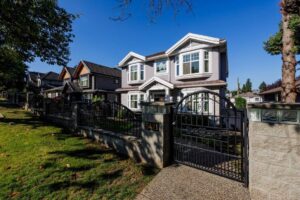
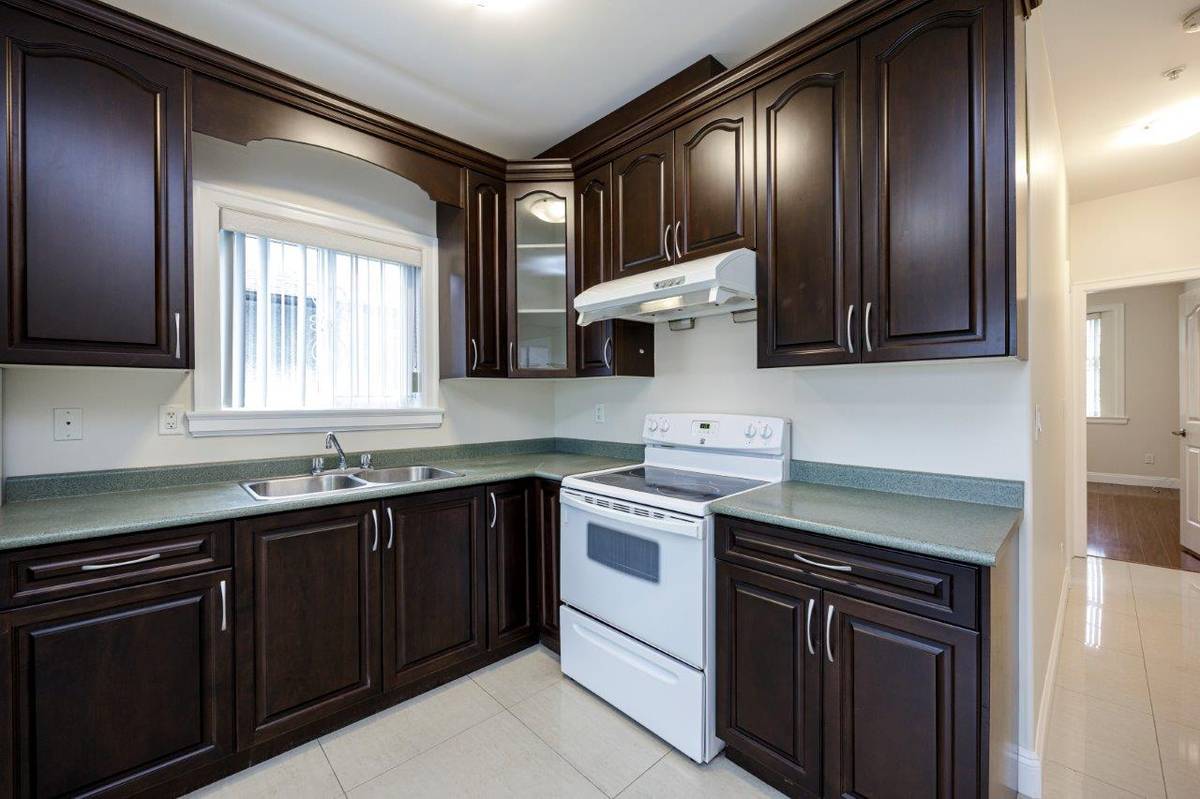
Managing one condo and managing a small apartment building may look similar on paper. Both involve tenants, rent, repairs, and leases. The difference is that problems multiply faster in a multi-unit property. One maintenance issue can affect several residents, one weak process can create confusion across the building, and small oversights become much more expensive when they repeat from unit to unit.
Shared Systems Create More Maintenance Coordination
A single condo usually has fewer building systems under the landlord’s direct control. In a multi-unit property, owners may be responsible for shared plumbing lines, heating equipment, electrical panels, laundry areas, exterior lighting, entrances, and other systems used by several households. When something fails, figuring out who is affected becomes part of the job.
That changes how maintenance should be scheduled. A plumber working on one stack may need access to two or three suites. A heating repair could affect the whole building. Good management means coordinating contractors, giving proper notice, keeping residents informed, and making sure one repair does not create a second problem somewhere else.
Tenant Turnover Has a Bigger Effect Across Multiple Units
One vacancy in a single rental means the entire property stops producing rent. In a small building, income continues from the other suites, but frequent turnover can still eat into cash flow quickly. Cleaning, repairs, advertising, showings, screening, and move-in work all cost money and take time.
Turnover also affects the rest of the building. Contractors may be coming and going, shared hallways get busier, and existing tenants may have questions about new neighbours. Owners need a repeatable turnover process instead of handling every vacancy differently. The smoother that process becomes, the easier it is to keep units occupied without disrupting everyone else.
A landlord with one tenant can sometimes get away with informal rent collection. That becomes risky once several households are involved. Different due dates, payment methods, late-payment arrangements, and recordkeeping habits can create confusion very quickly.
Multi-unit owners benefit from one clear system that applies across the building. Rent should be tracked the same way for every suite, with payment records kept in one place. Consistent processes make accounting easier and reduce arguments over what was paid, when it arrived, or whether a late payment was handled differently from another tenant’s.
Common Areas Add Ongoing Cleaning and Safety Duties
A single-condo landlord usually does not manage the building lobby, stairwell, exterior walkway, or garbage area. Owners of small apartment buildings often do. Those spaces require regular attention because every tenant uses them and small issues become visible fast.
Loose handrails, burned-out lights, slippery steps, overflowing garbage, or dirty entrances can turn into bigger concerns if they are ignored. Common areas also shape how residents feel about the property. When shared spaces are clean and well maintained, tenants are more likely to treat the building with care and report problems before they get worse.
Repairs Must Account for How One Unit Affects Another
In a detached rental or individual condo, many repairs stay contained inside the unit. Multi-unit buildings are different. A leaking bathtub upstairs can damage the ceiling below. A blocked drain may affect several suites. Noise, ventilation, pests, or electrical issues can cross unit boundaries.
That means troubleshooting needs a wider view. Fixing what appears to be the obvious problem in one apartment may not address the actual source. Property managers often need to inspect neighbouring units, trace shared systems, and communicate with multiple tenants before the repair is complete. Quick fixes can become expensive if the underlying issue is missed.
Lease Enforcement Needs Consistency Across All Tenants
Rules become harder to manage when several households share the same property. Parking, noise, smoking, pets, storage, garbage, and use of common areas can all become points of friction. If one tenant gets an exception and another does not, owners may create unnecessary tension.
Consistent enforcement helps avoid that problem. Tenants should understand what the rules are and how concerns will be handled. Documentation matters too. A clear record of notices, conversations, and lease issues helps owners manage problems fairly instead of relying on memory or informal agreements.
Multi-Unit Budgets Require More Detailed Cost Tracking
A single rental often has a fairly simple expense picture. Multi-unit buildings generate more moving parts. Owners may need to track utilities, maintenance, common-area cleaning, landscaping, insurance, repairs, capital improvements, and costs tied to individual suites.
The numbers also need context. A repair that looks expensive may be reasonable if it prevents damage across several units. Owners should separate recurring operating costs from larger projects and keep an eye on which systems are starting to require frequent service. Better tracking makes it easier to plan ahead instead of reacting every time something breaks.
Manage Your Small Multi-Unit Property With a Stronger System From Pacific West Property Management
Owning a duplex, triplex, fourplex, or small apartment building requires a different level of coordination than managing one condo. More tenants, shared systems, common areas, maintenance schedules, and financial records all need to work together. Pacific West Property Management can help owners put consistent processes in place so day-to-day issues do not turn into constant interruptions.
If you are moving from a single rental into a larger property, or your current building is taking more time to manage than expected, professional support can make the workload easier to control. Contact us at Pacific West Property Management to discuss your property, current challenges, and a management approach built for multi-unit ownership.
Frequently Asked Questions:
Can Pacific West Property Management Manage Small Multi-Unit Buildings?
Yes. Pacific West Property Management can help owners of duplexes, triplexes, fourplexes, and other small multi-unit properties manage tenant communication, maintenance coordination, rent collection, and day-to-day building needs.
What Services Does Pacific West Property Management Provide for Landlords?
Services can include tenant management, rent collection, maintenance coordination, lease administration, property oversight, and support with ongoing operational issues. The exact approach can be tailored to the size and needs of the property.
Can Pacific West Property Management Coordinate Repairs Across Multiple Units?
Yes. When plumbing, electrical, heating, or other shared systems affect more than one suite, Pacific West Property Management can help coordinate access, contractor scheduling, and tenant communication so repairs are handled with less disruption.
How Can Pacific West Property Management Help With Tenant Turnover?
Pacific West Property Management can help organize the turnover process, including communication, inspections, maintenance, cleaning, and preparation for the next tenant. A consistent process can reduce delays between occupancies and keep the building running smoothly.
Is Pacific West Property Management a Good Fit for Owners Moving Beyond a Single Rental?
It can be especially helpful for owners who are used to managing one condo or rental and now have several units to oversee. Multi-unit properties involve more coordination, recordkeeping, shared systems, and tenant communication, so professional management can make the workload easier to control.
Owning a rental can look fairly passive from the outside. Collect rent, answer the occasional message, arrange a repair, repeat. In practice, dozens of small responsibilities sit behind a well-run tenancy. For landlords managing everything themselves, those tasks often become obvious only after something goes wrong.
Why Self-Managing a Rental Takes More Time Than Most Landlords Expect
The workload rarely arrives on a neat schedule. A tenant may report a leaking appliance during dinner, a contractor might cancel before an inspection, or a showing could fall in the middle of your workday. Each request seems small until several happen in the same week.
There is also the invisible administration: tracking payments, saving correspondence, organizing invoices, scheduling maintenance, reviewing applications, and keeping records current. Add more than one rental and those short tasks begin competing with evenings, weekends, family time, and the job that actually pays your bills.
Tenant Screening Mistakes That Can Create Bigger Problems Later
A friendly conversation is not enough to judge whether someone is a suitable renter. Screening requires a consistent process for reviewing applications, confirming information, checking references, and assessing applicants fairly without turning the decision into a rushed gut feeling.
Pressure makes shortcuts tempting, especially when a unit is sitting vacant. Filling it quickly may feel like the priority, but a poor match can lead to payment issues, conflicts, damage, or early turnover. Careful selection at the beginning can prevent months of unnecessary stress later.
The Maintenance Coordination Landlords Often Underestimate
Getting a repair request is the easy part. Someone still needs to determine how urgent it is, find the right contractor, arrange access, communicate with the tenant, approve costs, follow up on the work, and keep the invoice. One broken dishwasher can create several separate tasks.
Emergency problems add another layer. Water leaks, heating failures, and electrical concerns do not care whether the owner is travelling or busy at work. Professional management creates a reliable point of contact and established maintenance process instead of forcing every issue through one landlord’s personal phone.
How Rent Collection and Late Payments Become Ongoing Management Issues
Rent collection feels automatic when everyone pays on time. Once a payment is missing, however, the owner has to notice quickly, communicate clearly, document what happened, and follow the correct process rather than handling the situation emotionally.
Consistency matters here. Making informal exceptions without recording them can create confusion about what was agreed upon. A structured system gives both sides clear expectations around due dates, payment records, follow-ups, and next steps when an account falls behind.
The Legal and Documentation Risks of Handling Everything Yourself
Rental management involves more paperwork than many first-time landlords expect. In British Columbia, tenancy agreements have specific requirements, while matters such as rent increases and certain notices must follow prescribed rules and timelines. A casual text message does not replace proper documentation.
Records become especially important when a disagreement develops. Agreements, inspection reports, notices, payment histories, maintenance records, and proof of communication can all matter. Keeping everything organized from day one is far easier than trying to reconstruct six months of decisions after a dispute begins.
Why Tenant Communication Can Quickly Turn Into a Full-Time Responsibility
Tenants rarely contact an owner only once during an entire lease. Questions come up about repairs, access, parking, neighbours, payments, appliances, move-ins, and renewals. None may be difficult alone, but constant interruptions can make ownership feel much less passive.
Good communication also requires boundaries. Respond too slowly and frustration grows; respond impulsively and a simple issue can become personal. Having one professional contact creates distance between the investment and everyday conversations while giving renters a consistent place to take legitimate concerns.
When Hiring a Property Manager Becomes Less Costly Than Managing Alone
Management fees are easy to see because they appear as a clear expense. The hidden costs of doing everything yourself are harder to measure: vacant days, missed work, rushed contractor choices, administrative mistakes, repeated trips to the property, and hours spent solving problems after business hours.
The calculation changes when ownership begins taking more time than expected. Pacific West Property Management handles services including tenant screening, leasing, rent collection, maintenance coordination, inspections, legal compliance, and day-to-day tenant communication for Vancouver-area property owners.
Take the Daily Pressure Out of Rental Ownership With Pacific West Property Management
A rental should work as an investment without requiring you to become an on-call administrator, maintenance coordinator, payment collector, and tenancy-rule expert all at once. Pacific West Property Management helps Vancouver landlords manage the details behind successful tenancies while keeping owners informed about their properties.
If self-management has started taking over your evenings, creating uncertainty, or making every tenant message feel urgent, it may be time to put a professional system between you and the daily workload. Protect your time while giving your rental consistent oversight. Contact us at Pacific West Property Management to get started.
FAQs:
What Does Pacific West Property Management Handle for Landlords?
Pacific West Property Management handles many of the day-to-day responsibilities that can make self-managing a rental demanding. Services include marketing vacancies, screening tenants, collecting rent, coordinating repairs, conducting inspections, preparing documentation, and communicating with tenants throughout the tenancy.
How Does Pacific West Property Management Screen Potential Tenants?
We use a detailed screening process rather than relying on an application alone. Depending on the property, this can include credit checks, employment and income verification, rental history, and references from previous landlords to help identify reliable applicants.
Does Pacific West Property Management Handle Maintenance and Emergency Repairs?
Yes. Pacific West Property Management coordinates routine repairs, maintenance requests, and urgent issues with contractors and service providers. This means landlords do not have to personally arrange every service call or respond whenever an unexpected property problem occurs.
4. Can Pacific West Property Management Help With Rent Collection and Late Payments?
Yes. We manage rent collection and follows up when payments are late. We also provide owners with financial records and reporting, helping landlords maintain clearer documentation without personally chasing payments or tracking every transaction.
5. Is Pacific West Property Management Suitable for Landlords With Just One Rental?
Yes. Professional management can still be useful for owners with a single condo, house, or other rental property, particularly when they have limited time or do not want to handle tenant communication, maintenance, paperwork, and rental regulations themselves. Pacific West Property Management works with individual homeowners as well as owners managing larger rental investments.
Owning a premium rental property can create steady income, but managing one takes more than collecting rent and arranging repairs. Large homes, luxury estates, and multi-unit buildings bring legal duties, costly systems, demanding schedules, and tenants with high expectations. Small oversights can quickly become expensive problems, especially when an owner tries to handle every detail alone.
Balancing Complex BC Tenancy Law Across Large Multi-Unit Builds
British Columbia tenancy rules affect nearly every decision a landlord makes, from deposits and rent increases to inspections and eviction notices. The risk grows in a large building because one incorrect form or missed deadline may affect several units. Owners can also run into trouble when they apply policies differently across the property, even when the inconsistency was unintentional.
Large developments often involve added layers of responsibility, including shared amenities, parking agreements, storage areas, maintenance notices, and access to individual units. Good records matter just as much as good judgment. A skilled property management team can track documents, serve notices correctly, and keep communication consistent without turning every tenant issue into a legal guessing game.
Outsourcing High-Cost Maintenance for Expansive Yards and Roofs
A large yard can look impressive while quietly consuming time and money. Irrigation leaks, drainage problems, damaged trees, and neglected pathways often start small. Without regular inspections, owners may not notice trouble until water reaches the foundation or a falling branch damages the home. Seasonal work also requires careful timing, especially before heavy rain, wind, or freezing weather.
Roofs create another challenge because most damage remains out of sight. Previous roofing contractors may leave poor flashing, blocked drainage, mismatched materials, or rushed repairs that fail months later. Hiring qualified specialists for inspections and upkeep gives owners a clearer view of the property’s condition. It also reduces emergency costs caused by preventable leaks, rot, and interior water damage.
Eliminating Awkward Rent Collection on Premium High-Value Homes
Collecting rent can feel uncomfortable when the monthly amount is high and the tenant pays late. Personal conversations may become tense, especially when the landlord and renter have built a friendly relationship. Some homeowners delay follow-ups because they want to avoid conflict, but inconsistent collection habits can make future enforcement harder and weaken the terms of the lease.
A structured payment system removes much of that tension. Clear due dates, automatic reminders, secure payment options, and written follow-ups keep the process professional. The tenant knows what to expect, while the owner avoids repeated calls and uncomfortable negotiations. Reliable collection also makes income easier to track, which helps with budgeting, reporting, and planning major improvements.
Handing Off 24/7 Emergency Dispatch for Complex Home Systems
Luxury homes often contain systems that need specialized attention. Smart security controls, heated floors, elevators, pools, gates, boilers, and advanced ventilation units cannot always wait until regular business hours. A small malfunction may affect safety, comfort, or access to the property. Owners who manage calls themselves can spend nights trying to locate a contractor who understands the equipment.
A round-the-clock dispatch process gives tenants one clear place to report urgent problems. Trained staff can assess the situation, decide whether it needs immediate service, and contact the right technician. This approach prevents unnecessary callouts while ensuring real emergencies receive fast attention. It also creates a written record of what happened, who responded, and what repairs followed.
Filtering Reliable, High-Tier Tenants with Rigorous Screening
A polished application and strong income do not always tell the full story. High-value homes can attract applicants who look qualified but have a history of late payments, lease disputes, frequent moves, or poor care of previous properties. Rushing the decision because a home has been vacant for several weeks can lead to a costly mismatch that lasts much longer.
A strong screening process checks identity, income, rental history, references, and credit information while following privacy and human rights requirements. The goal is not to find a perfect person. It is to confirm that the applicant can meet the lease terms and treat the home responsibly. Careful screening gives both parties a more stable start and reduces avoidable disputes.
Stopping Burnout from Managing Demanding Tenants Across Large Spaces
Large homes generate more service requests because they contain more rooms, fixtures, appliances, and outdoor features. Tenants paying premium rent may also expect faster responses and detailed updates. Even reasonable requests can become exhausting when they arrive through calls, texts, and emails at all hours. Owners may soon feel as though the property controls their entire schedule.
Clear communication systems protect the owner’s time without lowering service quality. Tenants should know where to report concerns, which issues count as emergencies, and when they can expect an update. A dedicated manager can organize requests, contact trades, approve routine work, and follow each job through completion. That structure replaces constant interruption with a manageable process.
Protecting Luxury Estate Values with Proactive Upkeep Routines
Luxury properties can lose value through slow, ordinary neglect rather than one dramatic event. Worn seals, loose railings, clogged gutters, fading exterior finishes, and minor moisture problems may not seem urgent. Over time, they affect the home’s appearance, safety, and structural condition. Tenants also notice when small defects remain unresolved, which can shape how carefully they treat the property.
A proactive upkeep plan schedules inspections and service before equipment fails. It may include seasonal roof checks, landscape reviews, HVAC servicing, drainage cleaning, appliance testing, and exterior walk-throughs. Owners receive a clearer picture of upcoming costs and can plan work instead of reacting to emergencies. Regular care also supports stronger tenant retention and protects long-term market appeal.
Managing a large rental home or multi-unit property should not require constant phone calls, legal uncertainty, or rushed contractor decisions. Pacific West Property Management helps owners handle tenant communication, rent collection, screening, inspections, maintenance coordination, and urgent requests with a clear and consistent process. Each service supports the same goal: protecting the property while reducing the owner’s daily workload.
Your investment deserves attentive care, reliable records, and decisions based on experience rather than pressure. Whether you own a luxury residence, an expansive estate, or a complex rental building, the right support can make ownership far more manageable. Contact us to learn how we can help preserve your property’s value and create a better rental experience.
A great rental doesn’t happen by luck. The right pricing, presentation, and management can turn a vacant condo into a property that attracts reliable tenants and delivers steady returns year after year.
Price Your Condo with Current Coal Harbour Demand in Mind
Setting the right rental price is one of the most important steps before listing your property. Many owners assume charging more always leads to better profits, but an unrealistic rate can leave a unit sitting empty for weeks. A well-priced condo attracts more interest, creates stronger competition among applicants, and often leads to faster occupancy.
Market conditions change throughout the year, so yesterday’s rental price may not reflect today’s demand. Looking at comparable properties, seasonal trends, and neighborhood activity gives you a better understanding of where your unit fits. A competitive price helps you maximize income while reducing the risk of extended vacancies.
Stage Every Room to Highlight Light, Space, and Waterfront Appeal
First impressions begin the moment someone walks through the front door. A clean, thoughtfully arranged space allows potential renters to picture themselves living there instead of focusing on personal belongings or clutter. Rearranging furniture to improve flow can make even compact rooms feel more open.
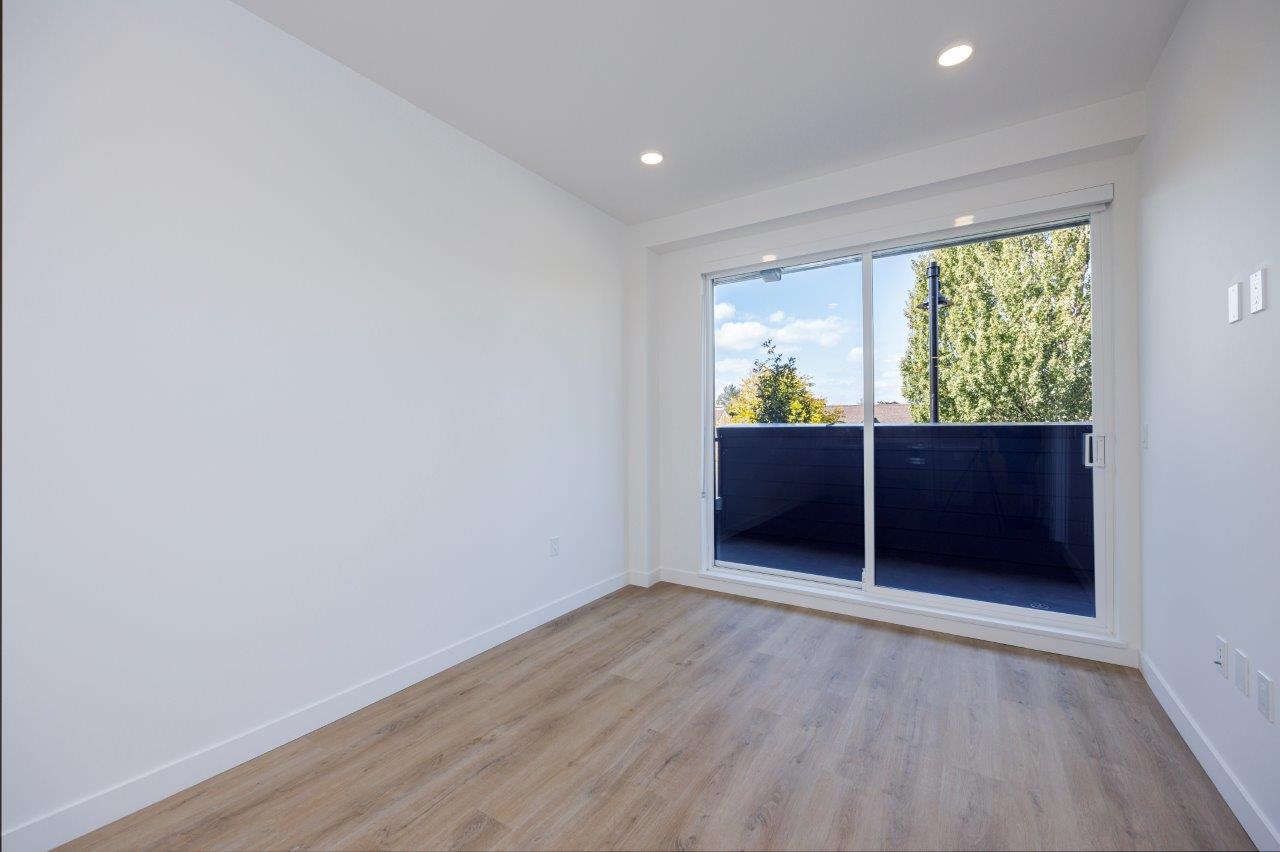
Natural light is one of the biggest selling points in many condos. Open blinds, clean windows, and simple décor help brighten the space while drawing attention to beautiful city or waterfront views. Small details such as fresh towels, indoor plants, and neutral colors create a welcoming atmosphere without overwhelming the room.
Use Professional Photos That Capture Premium Lifestyle Features
Most renters decide whether to schedule a viewing within seconds of seeing an online listing. High-quality photography helps your property stand out among dozens of competing options. Bright, sharp images build confidence and encourage prospective tenants to learn more.
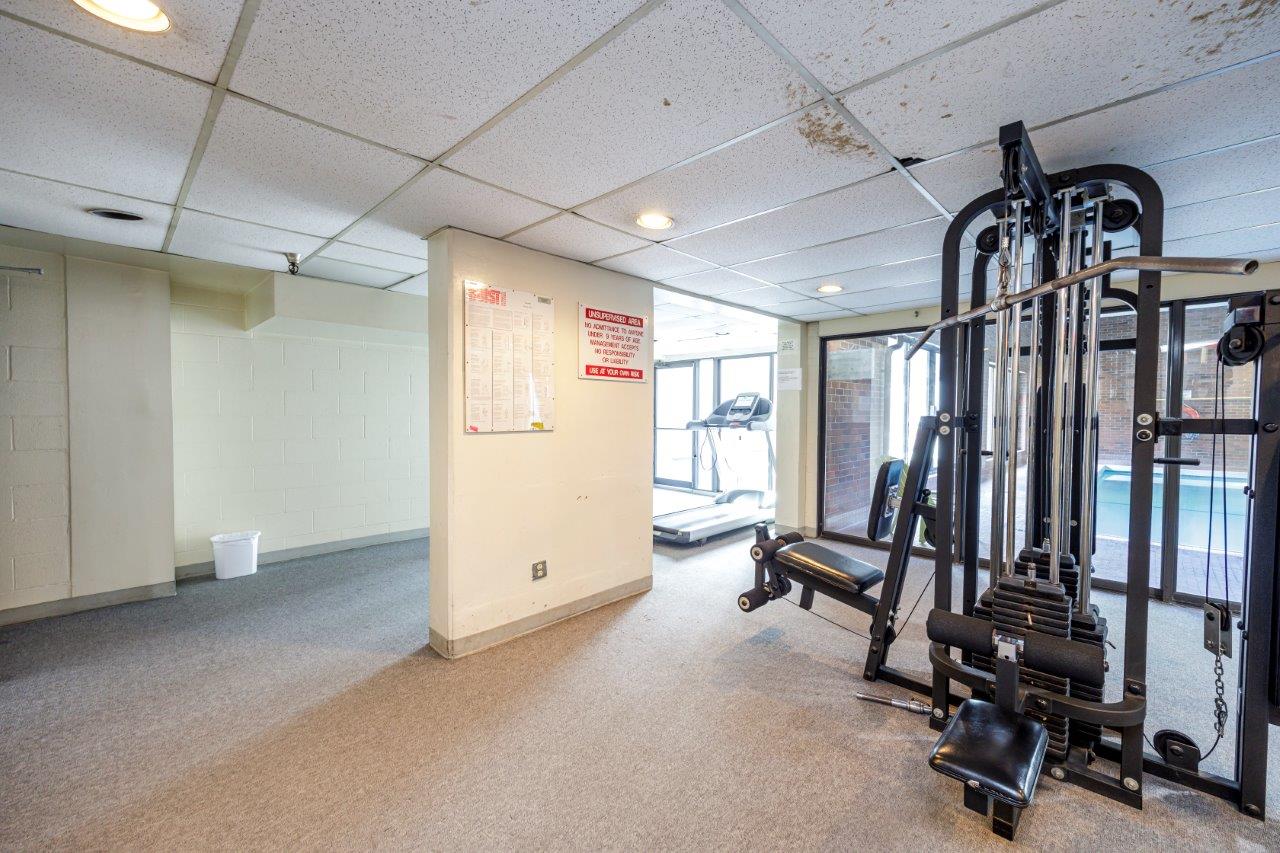
Great photos tell a story beyond the walls of the unit. They showcase inviting living spaces, modern finishes, scenic views, fitness amenities, and nearby attractions that make the location desirable. Strong visuals generate more inquiries and often lead to quicker leasing opportunities.
Offer Modern Upgrades Renters Value for Everyday Comfort
Small improvements can make a noticeable difference in how people view your property. Updated lighting, energy-efficient appliances, fresh paint, and quality flooring help create a home that feels clean, comfortable, and move-in ready. These upgrades also show that the property has been well maintained.
Convenience plays a major role in rental decisions. Features such as smart thermostats, keyless entry, in-suite laundry, and reliable internet connections appeal to today’s renters because they simplify daily living. Investing in practical improvements can increase your property’s appeal without requiring a complete renovation.
Screen Tenants Carefully to Protect Your Long-Term Investment
Choosing the right tenant involves more than filling a vacancy quickly. A thorough screening process helps identify applicants who have a strong rental history, stable income, and a record of meeting their responsibilities. Taking the time to verify references and review applications can prevent future problems.
Reliable tenants often care for the property as if it were their own. They communicate openly, report maintenance concerns early, and follow lease agreements. Careful screening reduces the likelihood of missed payments, unnecessary damage, and costly legal issues while creating a more positive rental experience for everyone involved.
Keep Maintenance Proactive to Reduce Vacancies and Repair Costs
Regular maintenance protects both the value of your property and the satisfaction of your tenants. Small repairs completed early often prevent larger problems that require expensive emergency work. Routine inspections also help identify issues before they affect comfort or safety.
A well-maintained condo encourages tenants to renew their leases instead of searching for another home. Quick responses to maintenance requests build trust and demonstrate that you take the property seriously. Long-term occupancy often begins with consistent care and attention to detail.
Stay Informed About Local Rental Rules and Market Trends
Rental regulations can change over time, making it important for property owners to stay informed. Understanding legal requirements, lease updates, and housing policies helps reduce risk while ensuring your property remains compliant with current standards.
Keeping an eye on market trends also supports smarter business decisions. Changes in renter preferences, neighborhood development, and pricing patterns can influence demand. Owners who monitor these factors are better prepared to adjust their strategy and remain competitive throughout the year.
Trust Pacific West Property Management for Stress-Free Rentals
Managing a rental property involves far more than collecting monthly payments. Marketing, tenant communication, maintenance coordination, inspections, and legal compliance all require time and experience. Many owners discover that professional management provides greater peace of mind while protecting their investment.
Working with an experienced property management team also creates a better experience for tenants. Prompt service, organized processes, and responsive communication help build lasting relationships that encourage lease renewals and reduce unnecessary turnover.
Build Stronger Returns and Enjoy Hassle-Free Property Ownership with Pacific West Property Management by Your Side
Owning a rental property should be rewarding instead of stressful. The right strategy helps attract qualified tenants, protect your investment, and keep your condo performing at its best. From preparing your property for the market to handling day-to-day responsibilities, every detail contributes to long-term success.
Pacific West Property Management is committed to helping property owners maximize rental income while reducing the challenges of self-management. Whether you own one condo or a growing portfolio, our experienced team is ready to support your goals with professional, reliable service. Contact us today to learn how we can help you get the most from your investment.
Frequently Asked Questions
1. What services does Pacific West Property Management provide?
Pacific West Property Management offers complete property management services, including rental marketing, tenant screening, lease preparation, rent collection, property inspections, maintenance coordination, and ongoing support for property owners.
2. How does Pacific West Property Management help find qualified tenants?
The team uses a thorough screening process that includes reviewing rental applications, verifying income and employment, checking references, and evaluating rental history. This helps place reliable tenants who are more likely to care for your property and meet their lease obligations.
3. Can Pacific West Property Management handle maintenance requests?
Yes. Pacific West Property Management coordinates routine maintenance and emergency repairs through trusted service providers. Prompt attention to maintenance issues helps protect your investment and keeps tenants satisfied throughout their lease.
4. Is professional property management worth it for a single rental condo?
Absolutely. Even if you own only one rental property, professional management can save you time, reduce stress, minimize vacancies, and help maximize your rental income. It also ensures your property is managed according to current regulations and industry best practices.
5. How do I get started with Pacific West Property Management?
Getting started is easy. Contact us to schedule a consultation, discuss your property, and learn about our management services. We’ll create a customized plan designed to help you achieve your rental goals while making ownership as hassle-free as possible.
Owning a rental property can look like easy income from the outside. Then the midnight maintenance requests start, a tenant misses rent, and your weekend plans disappear because a contractor needs access to the unit. Rental ownership can be rewarding, but it can also become a second full-time job. If you’re spending more time solving problems than enjoying the benefits of your investment, it may be time to rethink how your property is managed.
Why Are You Still the Emergency Hotline?
Most landlords don’t expect to become the first call for every clogged sink, broken appliance, or lockout situation. Yet many find themselves answering messages at all hours because tenants need immediate help.
A professional manager acts as the main point of contact for residents. Instead of interrupting your evenings and vacations, tenant concerns are handled by someone whose job is to respond quickly and professionally.
Rent Collection Shouldn’t Feel Like a Monthly Chase
Collecting rent sounds straightforward until payments arrive late or communication becomes difficult. Following up on missed payments can quickly become one of the most frustrating parts of rental ownership.
Professional oversight creates a structured process for rent collection and documentation. Consistent systems help reduce misunderstandings and encourage timely payments while maintaining professional relationships with tenants.
Great Tenants Rarely Appear by Accident
Finding reliable tenants involves more than posting an online listing and scheduling viewings. The screening process requires careful attention to applications, references, rental history, and financial qualifications.
Strong tenant placement often prevents future problems before they start. A thorough selection process helps reduce turnover, minimize risk, and create a more stable rental experience for everyone involved.
The Hidden Cost of DIY Property Management
Many owners focus on management fees without considering the value of their own time. Hours spent coordinating repairs, responding to tenant requests, handling paperwork, and resolving disputes can quickly add up.
Mistakes can also become expensive. Delayed maintenance, poor tenant screening, and missed compliance requirements may cost far more than professional management services in the long run.
Keeping Up With Regulations Is Practically a Full-Time Job
Rental regulations continue to evolve, and staying informed requires ongoing attention. Rules surrounding notices, tenancy agreements, inspections, and dispute resolution can be challenging for busy property owners to track.
Professional managers stay current with industry requirements and local regulations. Their knowledge helps owners avoid costly mistakes while ensuring rental operations remain compliant and efficient.
Small Maintenance Issues Rarely Stay Small
A minor leak can become water damage. A loose handrail can become a liability concern. Small issues often grow when they aren’t addressed quickly and properly.
Property managers coordinate maintenance requests and work with trusted service providers to resolve problems efficiently. Prompt action helps protect both the property and the tenant experience.
More Freedom, Less Stress, Better Results
Many investors purchase rental properties to create additional income and financial flexibility. Ironically, self-managing can sometimes create the opposite result by consuming personal time and increasing stress.
Professional support allows owners to step back from day-to-day responsibilities while maintaining confidence that their investment is being monitored and cared for. The result is often a smoother experience with fewer unexpected disruptions.
Vancouver’s Rental Market Rewards Professional Oversight
Vancouver remains one of Canada’s most active rental markets, creating opportunities for property owners willing to approach management strategically. Strong demand can be beneficial, but it also requires effective systems and responsive communication.
Professional management helps owners navigate market conditions, tenant expectations, and operational responsibilities with greater confidence. This level of support often contributes to stronger long-term performance and tenant satisfaction.
Enjoy the Benefits of Property Ownership Without the Constant Demands Through Pacific West Property Management
Your rental property should support your financial goals, not dominate your schedule. With the right management team in place, you can spend less time handling unexpected issues and more time focusing on the things that matter most to you.
Pacific West Property Management provides experienced, reliable support designed to help Vancouver property owners achieve greater confidence and convenience. Contact us today to learn how professional management can help you maximize your investment while minimizing the daily workload.
Frequently Asked Questions About Property Management
What Services Does Pacific West Property Management Provide?
Pacific West Property Management offers comprehensive property management services designed to reduce the workload for rental property owners. These services typically include tenant screening, rent collection, lease administration, maintenance coordination, property inspections, and tenant communication.
Our team manages the day-to-day responsibilities that often consume an owner’s time. By handling operational details professionally and efficiently, we help property owners focus on their investment goals without being involved in every tenant request or maintenance issue.
Is Hiring a Property Manager Worth It for Just One Rental Property?
Yes. Even a single rental property can require significant time and attention. Tasks such as responding to tenant inquiries, arranging repairs, collecting rent, and staying current with rental regulations can quickly become overwhelming for busy owners.
A professional property manager provides expertise and support regardless of portfolio size. Many owners find that the time saved, reduced stress, and improved tenant management make professional services a valuable investment, even for one property.
How Does Pacific West Property Management Find Qualified Tenants?
Tenant placement involves a thorough screening process designed to identify reliable applicants. This may include reviewing rental history, verifying employment, checking references, evaluating financial qualifications, and assessing overall suitability for the property.
Strong tenant screening helps reduce the risk of late payments, property damage, and lease violations. By carefully evaluating applicants before move-in, Pacific West Property Management helps create a more stable rental experience for both owners and tenants.
What Happens If a Tenant Has a Maintenance Emergency?
When maintenance emergencies arise, tenants can contact the property management team rather than reaching out directly to the property owner. This ensures that urgent issues receive prompt attention, regardless of the time or day.
Pacific West Property Management works with trusted contractors and service providers to coordinate repairs efficiently. Quick response times help minimize property damage, protect tenant safety, and reduce stress for owners who would otherwise need to handle emergencies themselves.
How Can Professional Property Management Help Protect My Investment?
Professional property management goes beyond collecting rent and answering tenant calls. Regular inspections, proactive maintenance coordination, proper documentation, and compliance with rental regulations all contribute to protecting the long-term value of a property.
Pacific West Property Management helps identify potential issues before they become larger problems. Our structured approach supports better property performance, stronger tenant relationships, and improved peace of mind for owners who want their investment professionally managed.
A lot of condo owners in Coal Harbour expected quick sales and strong offers, but many units are now sitting on the market longer than planned. Buyers have become cautious, carrying costs keep rising, and sellers who hoped for large profits are finding themselves stuck in limbo. Instead of letting a property sit empty month after month, many owners are shifting gears and turning vacant condos into rental income while waiting for the market to recover.
Empty Condos Quietly Drain More Money Than Most Owners Expect
A vacant condo may look harmless at first, but the monthly costs continue whether someone lives there or not. Mortgage payments, strata fees, property taxes, insurance, utilities, and maintenance expenses keep stacking up while the unit generates nothing in return. Many owners hold onto empty properties hoping the market will suddenly shift in their favor, only to realize months later that the condo has quietly become a financial drain instead of an investment.
Renting creates a way to offset those ongoing expenses while keeping ownership of the property long term. Instead of watching the unit sit untouched during a slow selling season, owners can generate steady income that helps reduce financial pressure. In areas like Coal Harbour, where demand for luxury rentals still exists among professionals, relocating executives, and long-term tenants, a well-managed condo can remain productive even when buyer activity slows down significantly.
Today’s Buyers Want Discounts Sellers Often Refuse to Accept
Many condo owners still price their units based on market conditions from previous years when bidding wars happened quickly and properties sold above asking. The current reality looks very different. Buyers now negotiate harder, wait longer before making offers, and often expect discounts that many sellers simply do not want to accept. That gap between seller expectations and buyer behavior leaves more condos lingering on the market without meaningful movement.
Renting allows owners to avoid panic selling during uncertain conditions. Instead of accepting an offer far below the property’s perceived value, owners can hold onto the asset while collecting monthly income and waiting for stronger market conditions later. That flexibility matters because selling under pressure rarely leads to favorable outcomes, especially in a market where many listings compete for the same group of cautious buyers.
Coal Harbour Still Attracts High Quality Renters
Even during slower sales periods, Coal Harbour continues attracting tenants who want walkable access to downtown, waterfront views, fitness facilities, and luxury amenities. Professionals relocating for work, couples downsizing from larger homes, and international renters often prefer furnished or well-maintained condos in premium neighborhoods because convenience matters heavily in their housing decisions. A strong rental presentation can still generate serious interest even when sales listings struggle.
Many renters also value flexibility right now. Some people hesitate to purchase property due to interest rates or market uncertainty, which increases demand for quality rental units in desirable locations. Owners who position their condo properly can benefit from this shift by targeting tenants willing to pay for location, building amenities, and move-in-ready spaces. In some cases, a well-rented condo creates far less stress than constantly relisting the property and adjusting prices every few weeks.
A Vacant Unit Often Looks Worse Over Time
Condos that sit empty too long often begin showing signs of neglect even when nobody lives inside them. Dust builds up, air feels stale, minor maintenance issues go unnoticed, and the property slowly loses the polished appearance that attracts buyers during showings. Empty spaces can also feel emotionally cold, making it harder for prospective buyers to picture themselves actually living there.
Occupied rental units usually stay in better condition because someone actively uses the space, notices problems early, and keeps the property functioning normally. Regular activity helps maintain plumbing systems, appliances, ventilation, and overall livability. A professionally managed rental can often preserve the long-term value of the condo better than leaving it vacant while waiting endlessly for the “perfect” buyer to appear in a difficult market.
Rental Income Creates Breathing Room During Uncertain Markets
Trying to sell during a slower real estate cycle creates emotional pressure for many owners. Every price reduction feels frustrating, every showing becomes stressful, and every month without an offer adds financial strain. Rental income changes that situation because the property starts serving a purpose again instead of becoming a constant source of worry.
That breathing room allows owners to make calmer long-term decisions. Some may choose to hold the condo for several years while market conditions stabilize, while others may eventually sell once buyer confidence improves. Either way, generating income during the waiting period creates far more flexibility than carrying an empty property indefinitely. In a market where timing matters heavily, patience becomes easier when the condo helps cover its own costs.
Property Management Makes Renting Far Less Stressful for Owners
Many condo owners hesitate to rent because they worry about difficult tenants, maintenance calls, lease agreements, or handling day-to-day issues from a distance. Those concerns are understandable, especially for owners balancing work schedules, travel, or multiple properties. Managing a rental properly takes time, consistency, and local market knowledge that many owners simply do not have available.
Professional management helps remove much of that pressure by handling tenant screening, inspections, maintenance coordination, communication, and rent collection on the owner’s behalf. That support becomes especially valuable in premium neighborhoods where presentation, responsiveness, and tenant experience directly affect long-term rental performance. A well-managed condo creates a smoother experience for both owners and tenants while protecting the property itself over time.
Pacific West Property Management Helps Coal Harbour Condo Owners Turn Empty Units Into Reliable Rental Income
Holding onto an empty condo during a difficult sales market can quickly become exhausting both financially and emotionally. Monthly costs continue rising while listings sit longer than expected, leaving many owners stuck between accepting disappointing offers or carrying a vacant property indefinitely. Renting creates an opportunity to generate income, reduce financial pressure, and keep the condo productive while waiting for stronger market conditions to return.
Pacific West Property Management helps condo owners maximize rental potential through professional tenant placement, property oversight, maintenance coordination, and day-to-day management designed for busy owners who want less stress and better long-term results. Our team understands the Coal Harbour market, the expectations of high-quality renters, and the importance of protecting valuable properties in competitive urban environments. Contact us today to turn your vacant condo into a professionally managed rental that works for you instead of sitting empty month after month.
Renting out a property sounds simple until the small details start piling up. One missed step can turn into lost income, strained tenant relationships, or unexpected repairs. Many Vancouver homeowners step into self-managing rentals with good intentions but learn the hard way that consistency and structure matter more than effort alone.
Skipping Proper Tenant Screening Before Signing Leases
Rushing through tenant screening often leads to bigger problems later. A quick background check or a short conversation is not enough to understand how someone will treat a property or handle payments. Reliable screening includes verifying income, checking rental history, and confirming references. Skipping these steps increases the risk of late payments, property damage, or early lease breaks that disrupt cash flow.
Careful selection creates stability from the start. A well-screened tenant is more likely to follow lease terms, communicate clearly, and stay longer. Taking extra time before signing saves time later by reducing turnover and avoiding conflict. Strong screening also protects the overall condition of the home, which helps maintain long-term value without constant repairs or oversight.
Setting Rent Without Checking Current Market Rates
Guessing rental price based on personal expectations can lead to missed opportunities. Setting rent too high may cause long vacancies, while setting it too low reduces income over time. Rental markets shift frequently, and what worked last year may not reflect current demand. Comparing similar properties in the same area helps determine a fair and competitive rate.
Accurate pricing keeps the property attractive to the right tenants. Well-priced rentals tend to fill faster and maintain steady occupancy. Consistency in pricing also builds trust with tenants who feel they are paying a fair rate. Adjusting rent based on real data helps avoid long gaps between tenants while maximizing return without pushing the property out of reach for qualified renters.
Delaying Repairs Until Problems Get Worse
Putting off repairs might seem harmless at first, especially when the issue looks small or easy to ignore, but it rarely stays that way for long. What starts as a slow drip under a sink or a small crack in a wall can quietly spread into bigger damage behind the scenes. Moisture can work its way into flooring, drywall, and even structural components, turning a simple fix into a much more expensive project. Over time, these delays don’t just affect the condition of the property—they also shape how tenants treat the space. When maintenance feels overlooked, tenants may become less careful or less likely to report new issues early.
Taking care of repairs as soon as they show up helps keep everything under control. Costs stay lower because problems are handled before they grow, and the property stays in better shape overall. It also keeps things running smoothly for tenants, which can lead to fewer complaints and longer stays. Staying on top of upkeep shows that the property is managed with care, and that kind of consistency makes a big difference in both the value of the home and the day-to-day experience of living in it.
Using Vague Lease Terms That Lead to Disputes
Unclear lease agreements often create confusion about responsibilities. Vague language around maintenance, payment deadlines, or property use can lead to disagreements. Without clear expectations, both parties may interpret terms differently, which increases the chance of conflict.
Detailed lease terms reduce misunderstandings and protect both sides. Specific language about rules, timelines, and responsibilities provides a clear framework for the rental arrangement. Well-written agreements make it easier to handle issues if they arise. Clear expectations also help tenants feel more confident about what is required, which supports smoother day-to-day management.
Not Keeping Clear Records of Payments and Notices
Missing or disorganized records can create unnecessary stress. Without proper documentation, it becomes difficult to track payments, confirm notices, or resolve disputes. Relying on memory or scattered notes often leads to confusion when questions come up.
Consistent record keeping creates a reliable system that supports long-term management. Tracking payments, communications, and maintenance requests helps maintain order. Clear records also provide protection if legal or financial questions arise. Organized documentation allows for quick access to important information, making management more efficient and less time-consuming.
How Missed Details Impact Long Term Rental Performance
Small oversights tend to build over time. Missed rent adjustments, delayed repairs, or unclear agreements can slowly reduce the performance of a rental property. These issues often show up as higher vacancy rates, increased maintenance costs, or strained tenant relationships. Even minor gaps in management can affect how the property performs over several years.
Strong performance depends on consistency. Paying attention to details helps maintain steady income and reduces unexpected expenses. Reliable systems create stability that supports long-term success. Addressing problems early and maintaining clear processes allows the property to perform at its full potential without constant setbacks.
Structure brings clarity to every part of the rental process. Clear systems for screening, pricing, maintenance, and communication reduce uncertainty and improve results. Organized management helps prevent common mistakes and creates a more predictable experience for both owners and tenants.
Consistent processes also save time. Instead of reacting to problems, structured management focuses on prevention and efficiency. Well-managed properties tend to attract better tenants, maintain value, and generate steady returns. Having a clear plan in place makes it easier to handle challenges while keeping everything on track.
Pacific West Property Management Delivers Reliable Rental Results Without the Guesswork
Managing a rental property in Vancouver takes more than effort—it takes a system that works every time. Pacific West Property Management steps in with proven processes that handle the details many owners miss. Our team screens tenants thoroughly by verifying income, checking references, and reviewing rental history to help place residents who pay on time and care for the property. Instead of guessing on price, we study local data and comparable listings to set rent at a level that attracts qualified tenants while maximizing income. Maintenance is handled quickly through trusted vendors, which helps prevent small issues like leaks or electrical problems from turning into expensive repairs.
Owners also benefit from clear communication and organized systems that keep everything running smoothly. Pacific West Property Management tracks payments, sends notices on time, and keeps detailed records so nothing gets overlooked. Lease agreements are written with clear terms that reduce confusion and help avoid disputes. If a tenant has an issue, our team responds directly, saving owners from late-night calls or ongoing back-and-forth. Contact us today to see how Pacific West Property Management can take the pressure off daily management while helping your rental perform at a higher level.
Uncertainty shows up in small ways at first, then builds into real costs if ignored. Strong property managers stay ahead by tracking patterns, asking questions early, and adjusting plans before problems grow. Our work often looks routine on the surface, yet behind it sits constant decision-making that keeps properties stable and profitable.
Review Property Tax Notices Early and Adjust Budgets
Early review of notices gives managers time to catch errors that often slip through unnoticed. Assessment values sometimes rise faster than actual market changes, which can lead to higher property taxes than expected. Careful comparison with previous years helps identify unusual jumps that may deserve a closer look or even an appeal.
Budget adjustments follow quickly once new figures come in, allowing homeowners to avoid last-minute financial strain. Smart managers build flexible plans that absorb increases without cutting essential services. Clear forecasting also helps investors understand where their money is going and why changes happen.
Plan for Renovation Costs That Can Shift mid Project
Unexpected issues tend to appear once walls open or systems get exposed, making renovations difficult to predict down to the last dollar. Hidden damage, outdated wiring, or structural surprises can shift timelines and costs within days. Experienced managers plan for these changes by setting realistic expectations before work even begins.
Clear communication with contractors keeps projects moving even when plans change. Detailed scopes and contingency allowances prevent small problems from turning into major delays. Careful oversight helps maintain quality while keeping spending under control.
Update Insurance Coverage As Risks and Rates Change
Market conditions and property risks rarely stay the same for long, which makes regular policy reviews necessary. Coverage that worked last year may no longer match current exposure, especially after upgrades or occupancy changes. Managers stay alert by checking limits, deductibles, and exclusions that could affect claims.
Rate increases can happen without warning, so comparing insurance options helps control long-term costs. Adjustments to coverage often strike a balance between protection and affordability. Strong planning keeps properties protected without overpaying for unnecessary add-ons.
Track Utility Bills to Spot Sudden Cost Spikes
Monthly statements reveal more than just totals if reviewed carefully. Sudden increases often point to leaks, faulty equipment, or inefficient systems that need attention. Tracking usage patterns helps managers catch these issues early before they grow into expensive problems.
Seasonal changes also affect utilities, but unusual spikes outside normal trends deserve investigation. Consistent monitoring builds a clearer picture of how each property performs over time. This approach keeps expenses predictable and easier to manage.
Keep Reserve Funds Ready for Unexpected Expenses
Unexpected repairs rarely wait for a convenient time, which makes reserve funds essential. Roof leaks, equipment failures, and emergency fixes can appear without warning and demand immediate action. Having funds set aside prevents delays that could worsen the damage.
Careful planning determines how much to reserve based on property size, age, and condition. Managers review these funds regularly to ensure they stay aligned with potential risks. Strong reserves provide stability during moments that could otherwise disrupt operations.
Recheck Vendor Quotes Before Starting Any Repairs
Prices can shift quickly between the time a quote is given and when work begins. Material costs, labor rates, and availability often change, especially during busy seasons. Rechecking quotes helps avoid surprises that could stretch the budget.
Clear agreements with vendors reduce confusion about pricing and scope. Updated estimates allow managers to make informed decisions before committing to work. This step protects both the property and the owner from unexpected expenses.
Spread out Upgrades to Manage Rising Material Costs
Large upgrades can strain budgets if completed all at once. Spreading projects over time allows managers to adjust plans based on changing material costs. This approach helps avoid overspending while still improving the property.
Prioritizing the most important updates keeps operations running smoothly. Smaller, phased improvements often deliver steady results without overwhelming financial resources. Smart scheduling gives managers better control over timing and expenses.
Compare Insurance Options to Control Premium Increases
Premiums can rise even without major claims, which makes comparison a useful tool. Reviewing multiple policies helps identify better rates or improved coverage options. Managers use this process to keep protection strong without unnecessary cost increases.
Regular comparison also reveals gaps that may not be obvious at first glance. Adjusting policies based on current needs helps maintain balance between risk and expense. Thoughtful decisions keep long-term costs manageable.
Watch Seasonal Utility Use to Avoid Billing Surprises
Seasonal changes often bring predictable shifts in energy and water usage, but many property owners overlook how dramatic those changes can be across different months. Heating systems tend to drive costs up during colder periods, while air conditioning can quickly increase expenses in warmer seasons. Property managers pay close attention to these patterns by reviewing past billing cycles and comparing them year over year, which helps set realistic expectations and prepare for fluctuations before they hit. Careful tracking also allows them to separate normal seasonal increases from unusual spikes that may signal a deeper issue within the property.
Unexpected changes outside of typical seasonal trends often point to hidden problems that need immediate attention, such as leaks, aging equipment, or inefficient systems working harder than they should. Quick investigation helps prevent small inefficiencies from turning into ongoing financial drains, especially in multi-unit properties where costs can multiply fast. Consistent monitoring and proactive adjustments give property managers the ability to maintain stable operating costs while keeping tenants comfortable year-round, avoiding the kind of billing surprises that can disrupt both budgets and long-term planning.
Build Confidence and Stability with Pacific West Property Management Leading the Way Through Uncertainty
Strong property performance does not happen by chance; it comes from steady guidance, clear planning, and quick action when conditions shift. Pacific West Property Management focuses on keeping operations smooth even when costs change or unexpected issues arise. Our team studies trends, tracks expenses closely, and makes informed decisions that protect both the property and the owner’s long-term goals. Rather than reacting late, we stay ahead of problems, which helps prevent small concerns from turning into expensive setbacks.
Reliable management also means having a team that communicates clearly and follows through on every detail. Pacific West Property Management works closely with owners to explain what is happening, why decisions are made, and how each step supports the bigger picture. Our approach brings consistency to day-to-day operations while still allowing flexibility when conditions change. Contact us today to see how our experience and hands-on management style can bring stability, reduce stress, and help your property stay on track no matter what comes next.
Owning a rental in Vancouver can look simple from the outside. Rent comes in each month, the mortgage gets paid, and the investment grows. Yet many landlords discover that managing a property alone brings unexpected costs that rarely appear in the original plan. Small issues, time commitments, and legal responsibilities slowly add pressure. What starts as a side responsibility can quickly feel like a second job.
Late Night Repair Calls That Interrupt Personal Time
Rental homes do not follow a nine-to-five schedule. Plumbing leaks, electrical issues, or heating failures often appear late at night or during weekends. Tenants expect quick responses because these problems affect daily living. A landlord who manages the property personally often becomes the first call when something breaks.
That interruption may seem minor at first, yet it adds up over time. A clogged drain at midnight or a broken furnace during winter forces the owner to arrange emergency service quickly. Many landlords underestimate how often these situations arise until their personal evenings and family time begin revolving around maintenance issues.
Missed Rent Payments That Strain Monthly Cash Flow
Rent payments support the entire financial structure of a rental property. Mortgage payments, insurance, taxes, and maintenance rely on consistent income. When a tenant pays late or skips a payment, the landlord absorbs the financial pressure.
Chasing overdue rent can become uncomfortable and time consuming. Phone calls, reminder notices, and payment plans take effort to coordinate. If the delay stretches over weeks, the owner may cover expenses out of pocket while waiting for funds that were expected earlier in the month.
Legal Paperwork Mistakes with Tenancy Regulations
Rental housing in British Columbia operates under specific tenancy laws. Documents such as lease agreements, eviction notices, and deposit records must follow strict guidelines. Even small errors in paperwork can delay legal actions or create complications if a dispute reaches a tribunal.
Landlords who manage their own units often learn these regulations through experience rather than training. A missing clause or incorrect notice period may invalidate an eviction process. Correcting those mistakes can cost time and money while prolonging an already stressful situation.
Tenant screening shapes the long-term success of a rental property. Background checks, employment verification, and rental history reviews help identify responsible tenants. Skipping any step in the process increases the chance of selecting someone who struggles to meet lease obligations.
A single screening mistake can lead to months of problems. Late payments, property damage, or constant complaints often stem from rushed tenant selection. Many landlords realize later that the effort spent verifying applicants could have prevented long periods of frustration.
Advertising Costs When Units Sit Vacant Too Long
Vacancy remains one of the most expensive hidden costs in rental ownership. Every empty week means lost income while expenses continue. Mortgage payments, utilities, and property taxes do not pause simply because a unit has no tenant.
Advertising can also become more expensive than expected. Listing fees, photography, and promotional ads may repeat several times before finding the right tenant. If the property stays empty for months, the total marketing expense begins to eat into the year’s profit.
Time Spent Handling Tenant Disputes and Complaints
Resolving tenant concerns takes far more time than many landlords expect. Disputes often begin with small issues such as parking disagreements, noise complaints, or questions about maintenance responsibilities. Each situation requires careful communication to keep the conversation calm and productive. A landlord may spend hours replying to emails, answering phone calls, or visiting the property to understand what actually happened. Even when the issue seems simple, both sides want to feel heard, which means conversations rarely end with a quick message.
Complaints can also appear in clusters rather than one at a time. A tenant might report a maintenance issue while another raises concerns about a neighbor or shared space. Sorting through these situations demands patience and clear judgment so no one feels ignored. Without a system for handling these conversations, a landlord may find their evenings filled with messages and follow-ups. Over time, the steady stream of tenant concerns can turn property ownership into a constant responsibility instead of a steady investment.
Incorrect Lease Terms That Create Future Problems
Lease agreements protect both the landlord and the tenant. Clear terms about rent payments, maintenance responsibilities, and property rules prevent confusion later. A poorly written lease may leave important situations open to interpretation.
For example, unclear clauses about maintenance or subletting can lead to disagreements months later. Once the lease is signed, correcting those issues becomes difficult without mutual consent. Careful lease preparation at the start often prevents conflicts that could otherwise last through the entire tenancy.
Stress from Managing Repairs, Rent, and Communication
Self-managing a rental property requires constant attention to detail. Landlords track maintenance schedules, respond to tenant messages, and monitor rent payments. These responsibilities rarely occur in a predictable order.
Stress often builds slowly rather than all at once. A broken appliance, a rent reminder, and a tenant complaint may arrive on the same day. Handling these responsibilities without support can leave landlords feeling overwhelmed by tasks that never seem fully complete.
Pacific West Property Management Helps Vancouver Rental Owners Regain Their Time and Peace of Mind
Rental ownership should feel like a smart investment, not a constant source of pressure. Many Vancouver landlords start out handling everything themselves, only to discover how quickly the responsibilities grow. Tenant communication, maintenance coordination, lease compliance, and financial tracking require steady attention throughout the year. A professional team can step in to manage those daily responsibilities while keeping the property operating smoothly.
Pacific West Property Management works with rental owners who want dependable support and consistent oversight. Our team handles tenant communication, rent collection, maintenance scheduling, and property monitoring so owners do not have to juggle those tasks alone. With experienced guidance and organized management systems in place, landlords gain the freedom to focus on other priorities while their property continues to perform as a stable investment. Contact us to learn how professional management can simplify rental ownership and restore balance to your time.
Property managers shield owners from the daily pressures of tenant interactions, maintenance emergencies, and financial tracking. By taking on these responsibilities, they create distance between owners and stressful situations that would otherwise demand immediate attention and emotional energy.
Managing Tenant Communications and Conflicts
We serve as the primary point of contact for all tenant matters, which means owners no longer receive late-night calls about noise complaints or disputes between neighbours. When conflicts arise, we handle the conversations, documentation, and resolution processes without owners needing to be involved.
This buffer is particularly valuable during difficult situations like lease violations or eviction proceedings. Owners gain mental relief by not dealing with tenants directly during emotionally charged exchanges. We manage the legal requirements and maintain professional boundaries that owners often find challenging to establish with their own tenants.
Key areas we handle:
Complaint resolution and mediation
Lease enforcement and violation notices
Move-in and move-out inspections
Tenant screening and selection
Our experience with conflict resolution means we can de-escalate situations before they become major problems. We understand tenant rights and owner obligations, which allows us to navigate disputes while protecting the owner’s interests and maintaining legal compliance.
Overseeing Repairs and Maintenance Tasks
We coordinate all repair requests and maintenance work, eliminating the stress of urgent service calls and contractor management. Owners don’t need to drop everything when a furnace fails or a pipe bursts because we maintain relationships with reliable tradespeople who respond quickly.
Our team schedules routine maintenance, obtains quotes, and ensures work meets quality standards. We verify that contractors are licensed and insured before they enter properties. This removes the burden of vetting service providers and reduces the risk of substandard work or liability issues.
For Coal Harbour properties, we understand the specific maintenance requirements of high-rise buildings and waterfront units. We track seasonal needs like HVAC servicing and arrange preventative maintenance that protects property value while avoiding emergency situations that create stress.
Handling Rent Collection and Financials
We manage the entire rent collection process, from sending reminders to pursuing late payments. Owners avoid the uncomfortable position of asking tenants for money or enforcing late fees on people they may have personal relationships with.
When payments are missed, we follow established protocols for notices and legal action. This systematic approach removes the emotional component from financial enforcement. Property managers reduce emotional stress for owners by treating rent collection as a business transaction rather than a personal matter.
We provide detailed monthly statements showing income, expenses, and account balances. Owners receive clear financial reports without needing to track individual transactions or chase receipts. Our systems ensure proper documentation for tax purposes and provide transparency that reduces financial anxiety.
Benefits of Professional Property Management in Coal Harbour
Professional property managers in Coal Harbour serve as intermediaries who handle daily operations while maintaining positive relationships between all parties. They ensure regulatory requirements are met while reducing the emotional burden that often comes with managing rental properties.
Enhancing Owner-Tenant Relationships
Property managers act as neutral third parties who can address tenant concerns without the emotional investment that owners typically experience. When tenants contact us with maintenance requests or complaints, we respond objectively and professionally, preventing conflicts from escalating into personal disputes.
This buffer is particularly valuable in Coal Harbour’s high-end rental market, where tenants expect premium service and swift responses. We handle after-hours emergencies, coordinate repairs, and address concerns promptly, which helps maintain tenant satisfaction and reduces turnover.
Strong tenant relationships translate directly into longer lease terms and fewer vacancy periods. Property managers reduce emotional stress for owners by managing difficult conversations about rent increases, lease violations, or property damage. We apply lease terms consistently and fairly, which protects both the owner’s interests and the tenant’s rights while maintaining professional boundaries throughout the tenancy.
Ensuring Legal Compliance and Documentation
The Residential Tenancy Act in British Columbia contains specific requirements for lease agreements, security deposits, rent increases, and eviction procedures. We ensure all documentation meets provincial standards and deadlines are properly observed, protecting owners from costly legal disputes.
Coal Harbour properties often involve corporate tenants and short-term rental considerations, which require additional regulatory knowledge. We maintain detailed records of all communications, inspections, and financial transactions, creating a clear audit trail if disputes arise.
Proper documentation includes conducting and recording move-in and move-out inspections, processing security deposit returns within the mandated timeframes, and filing necessary paperwork with the Residential Tenancy Branch. These administrative tasks demand attention to detail and knowledge of current regulations, which we handle systematically to prevent compliance issues that could result in penalties or legal challenges.
Responsibility Breakdown Among Homeowners, Property Managers, and Tenants
Each party in a rental arrangement carries distinct legal and operational duties that keep properties running smoothly. Homeowners maintain ultimate ownership obligations, property managers handle day-to-day operations, and tenants must uphold their lease agreements.
Typical Roles of Homeowners
Homeowners retain legal ownership of their properties and bear final responsibility for major decisions and financial commitments. We see them making strategic choices about property improvements, capital expenditures, and long-term investments that affect the asset’s value.
Key homeowner responsibilities include:
Setting overall property goals and investment strategies
Approving significant repairs or renovations beyond routine maintenance
Maintaining adequate property insurance and mortgage payments
Making final decisions on tenant applications and lease terms
Ensuring the property meets building codes and safety standards
Filing taxes and managing financial records for the property
Homeowners who hire property managers delegate daily tasks but cannot transfer certain legal obligations. They remain accountable for ensuring their property complies with local housing regulations and maintaining the structural integrity of the building. In Coal Harbour, this includes adhering to strata bylaws and provincial rental regulations.
Duties of Property Managers
Property managers serve as intermediaries between owners and tenants whilst handling operational aspects of rental properties. We observe them managing everything from tenant screening to emergency maintenance coordination.
Ensuring compliance with health and safety standards
Financial Management
Setting competitive rental rates based on market analysis
Managing operating budgets and expense tracking
Providing detailed financial reports to owners
Processing security deposits according to legal requirements
Property managers must stay current with tenancy laws and maintain professional communication with all parties. They handle the time-consuming tasks that would otherwise create emotional stress for owners.
Tenant Obligations in Rental Agreements
Tenants must fulfil specific responsibilities outlined in their lease agreements and required under provincial law. We recognize these obligations as essential for maintaining positive landlord-tenant relationships.
Tenants are required to pay rent on time according to their lease terms. They must keep the rental unit clean and report maintenance issues promptly to prevent minor problems from becoming major repairs.
Standard tenant duties include:
Using the property only for residential purposes
Avoiding damage beyond normal wear and tear
Respecting quiet enjoyment rights of neighbours
Allowing access for necessary repairs and inspections with proper notice
Following building rules and strata bylaws
Tenants cannot make unauthorised modifications to the property or sublease without written permission. They must maintain reasonable cleanliness standards and dispose of garbage properly. When tenancy ends, they must return the unit in the same condition as when they moved in, accounting for normal wear and tear.
Frequently Asked Questions
Property managers in Coal Harbour handle a wide range of responsibilities from tenant screening to emergency repairs, while helping homeowners navigate the complexities of rental property ownership. Understanding these roles and processes helps both property owners and tenants make informed decisions about their rental arrangements.
What Responsibilities Do Property Managers Have in Managing Rental Properties in Coal Harbour?
We oversee all aspects of rental property operations, including marketing vacancies, screening prospective tenants, and conducting property showings. Our team handles lease agreements, rent collection, and ensures compliance with British Columbia’s residential tenancy laws.
We coordinate regular property inspections and maintain detailed records of all transactions and communications. Financial reporting, tenant relations, and property maintenance fall under our purview. We also manage vendor relationships and ensure properties meet safety standards.
What Steps Do Property Managers Take to Ensure the Smooth Operation of Rental Properties?
We establish clear communication channels with both tenants and owners from the start of each tenancy. Regular property inspections help us identify maintenance issues before they become costly problems.
Our systems track rent payments, maintenance requests, and lease renewals to prevent oversights. We maintain relationships with trusted contractors and service providers who can respond quickly when repairs are needed. Documentation of all property-related activities ensures transparency and accountability.
What Are the Most Common Challenges Faced by Tenants in Coal Harbour, and How Do Property Managers Address Them?
Maintenance and repair concerns are among the most frequent tenant issues we encounter. We respond to maintenance requests promptly and coordinate with qualified contractors to resolve problems efficiently.
Communication gaps can create frustration for tenants. We provide multiple channels for tenants to reach us and set clear expectations about response times. Noise concerns and building amenity access are also common in Coal Harbour’s high-density residential areas, which we address through clear policies and proactive tenant communication.
How Do Property Managers Handle Maintenance and Emergency Issues for Properties Under Their Care?
We maintain a network of licensed and insured contractors who can respond to routine maintenance requests within 24 to 48 hours. For urgent issues like water leaks, heating failures, or security concerns, we provide 24/7 emergency response services.
Our team assesses each situation to determine the appropriate level of response and keeps owners informed of significant repairs. We obtain owner approval for non-emergency expenses that exceed pre-agreed thresholds. Preventive maintenance schedules help us avoid emergency situations whenever possible.
What Are the Benefits for Homeowners in Hiring a Property Manager for Their Coal Harbour Real Estate Investments?
We handle the time-consuming tasks of property management, allowing you to focus on other priorities while your investment generates income. Our knowledge of local rental markets helps optimize rental rates and minimize vacancy periods.
Professional tenant screening reduces the likelihood of payment defaults and property damage. We navigate the complexities of British Columbia’s Residential Tenancy Act on your behalf, reducing legal risks. Our presence as an intermediary removes the emotional stress of direct landlord-tenant relationships and maintains professional boundaries.
Alex Tzilios delivers property management with the highest ethical standards while ensuring your tenants needs are fulfilled.
Our investment property is often our greatest achievements, in both sentimental value and as a capital asset. We service our clients and manage their revenue generating assets with the highest ethical standards.
Alex Tzilios matches qualified tenants with elite properties managed by a professional property management company
Our rental management services are FREE for tenants. We source the most qualified tenants and match them with the most elite property based on their own personal needs and specifications.